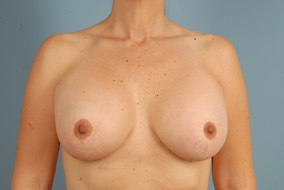
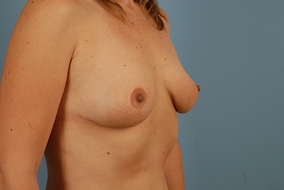
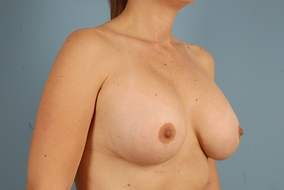
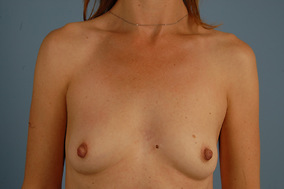
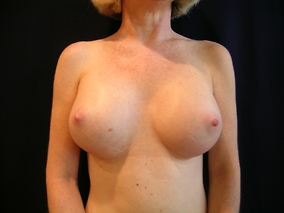
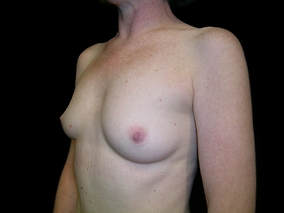
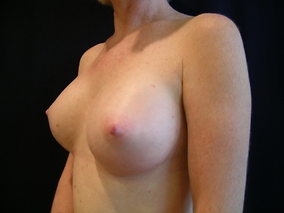
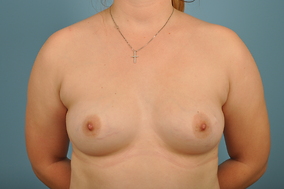
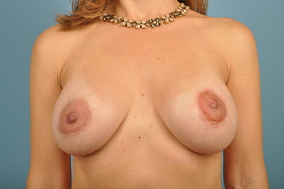
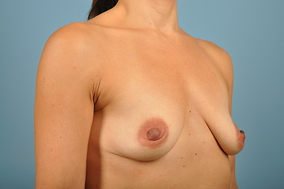
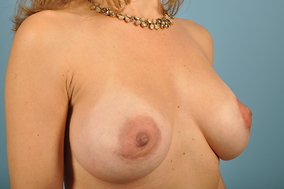
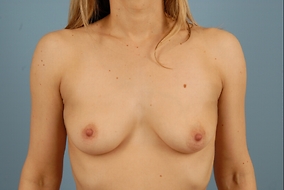
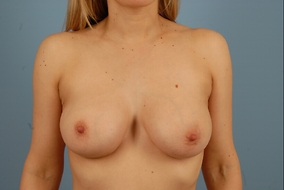
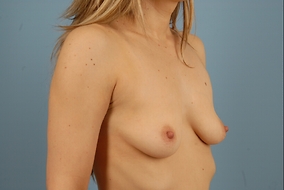
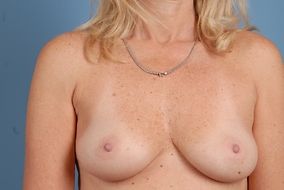
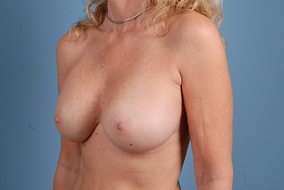
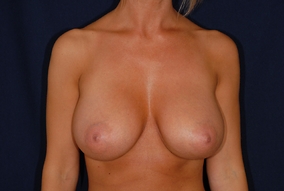
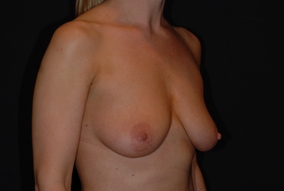
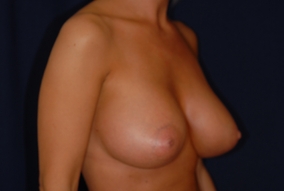
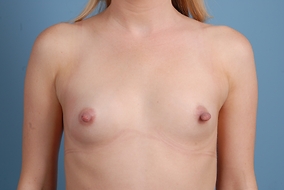
Serving Thousand Oaks and Westlake Village, CA
Conveniently located to serve the areas of Thousand Oaks, Westlake Village, Calabasas, Malibu, Agoura Hills, and Camarillo
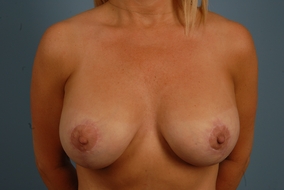
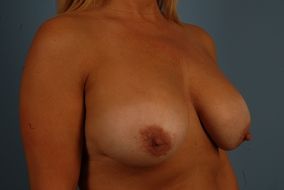
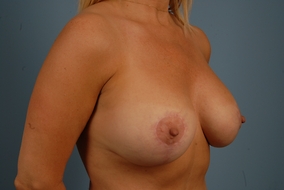
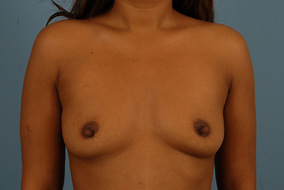
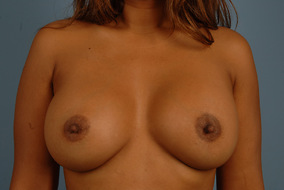
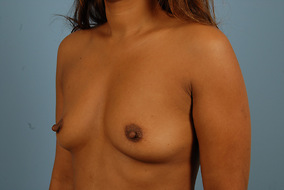
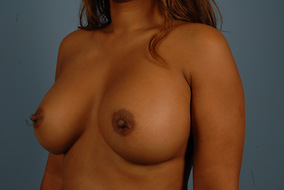
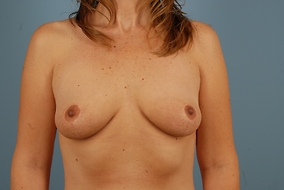
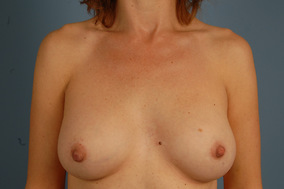
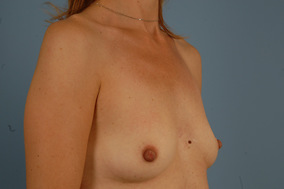
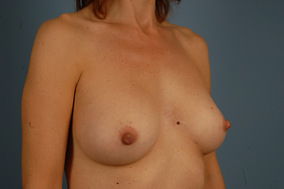
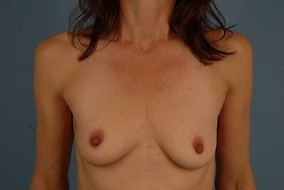
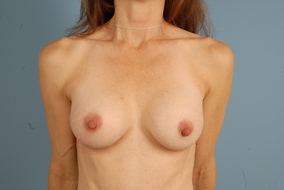
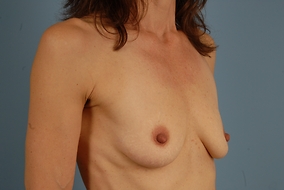
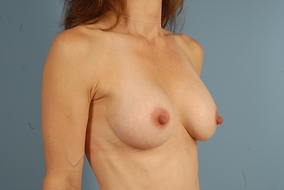
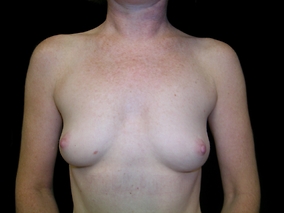
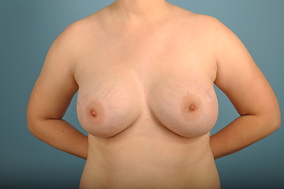
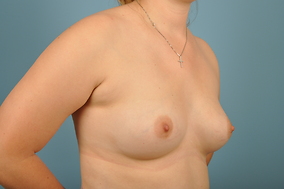
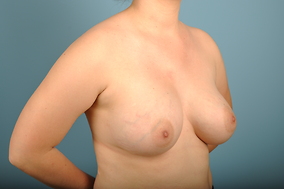
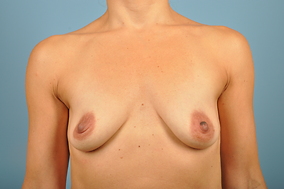
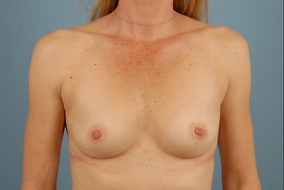
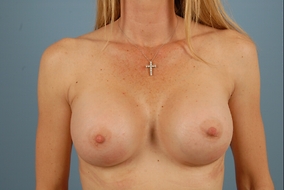
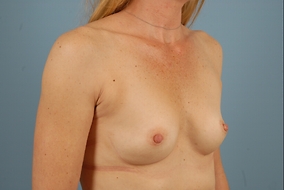
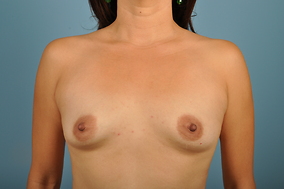
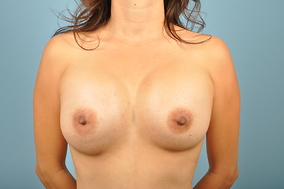
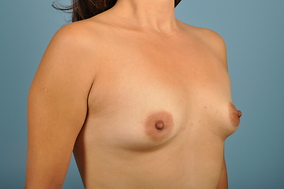
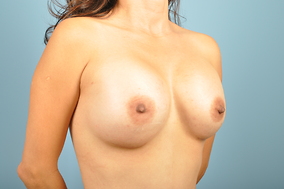
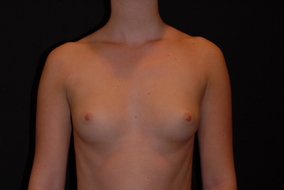
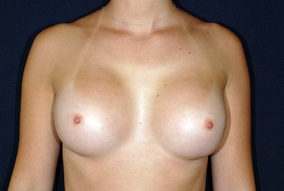
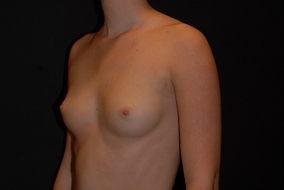
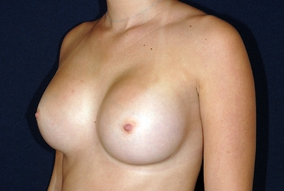
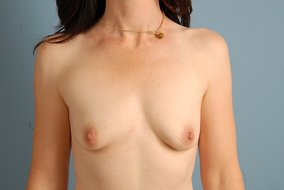
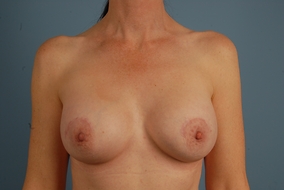
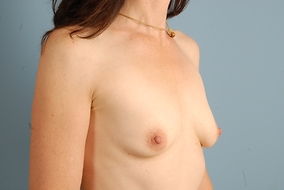
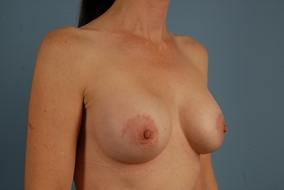
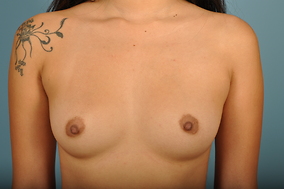
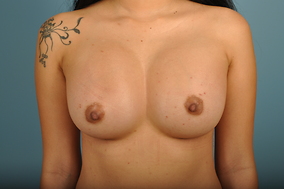
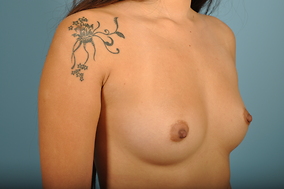
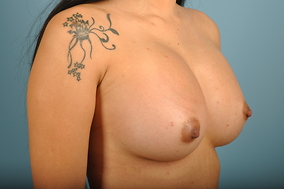
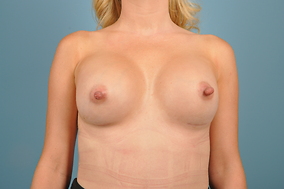
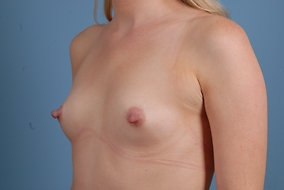
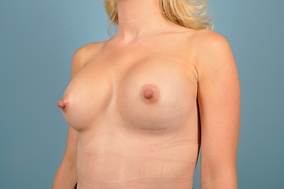
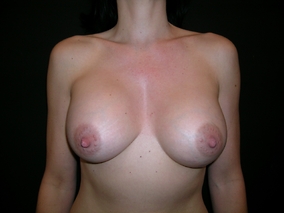
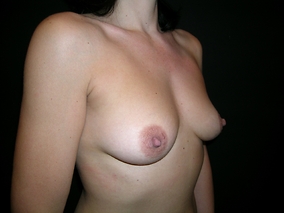
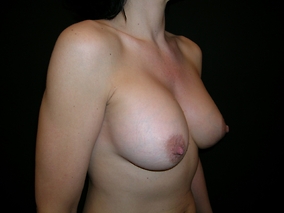
Fuller, shapelier breasts can bring better balance to your figure and help you feel more at ease in the way you look and dress. For some women, breast augmentation is about restoring volume after pregnancy or weight loss. For others, it is about creating the shape they have always wanted but never naturally had. In Thousand Oaks, Dr. Kouros Azar performs breast augmentation with a refined, thoughtful approach shaped by proportion, symmetry, and the kind of result that feels natural to the woman wearing it.
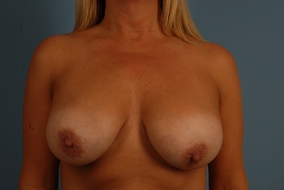
What Is Breast Augmentation?
Breast augmentation, or augmentation mammoplasty, is a surgical procedure that increases breast volume and reshapes the breast using implants or, in select cases, fat transfer.
It is commonly used to create fuller breasts, improve symmetry, and restore volume lost after pregnancy or weight loss. Breast augmentation is tailored through implant type, implant size, incision choice, and implant position so the final shape fits the patient’s frame and goals.
At A Glance
What Concerns Does Breast Augmentation Treat?
Breast augmentation helps patients who want more fullness, better balance, or a breast shape that feels more in proportion with the rest of the body.
It can address:
Some women want a very subtle change. Others want a more noticeable increase in breast size. Some are mainly focused on symmetry. Others want to restore what pregnancy changed. Those goals all fall under breast augmentation, but they call for different decisions about implant size, implant position, and overall breast shape.
What Are the Benefits of Breast Augmentation?
Breast augmentation enhances breast size and shape, but the real benefit is often the sense of balance it brings to the figure.
Patients often choose augmentation because it can:
For many women, the change shows up in small daily ways. Tops fit better. Swimwear feels easier. The body looks more balanced in photos and in the mirror. The goal is not to overpower the figure, but to enhance it in a way that feels right.
A good candidate for breast augmentation wants fuller breasts or better balance and is healthy enough for surgery and recovery.
This is why the initial consultation matters so much. A good plan starts with an honest look at the breast tissue, skin, chest wall, and overall body proportions. Some patients need straightforward augmentation, some need a breast lift with implants, and some need a more conservative plan than they expected. Clear guidance is part of good surgical care.
Breast Implants vs. Fat Transfer
Breast augmentation can be performed with breast implants or fat transfer. Both options can enhance the breast. They create different kinds of results.
Breast implants are the standard choice for patients who want a clear increase in breast volume, stronger upper-pole fullness, and more defined projection. Fat transfer augmentation uses fat taken from another area of the body and placed into the breast. It produces a very natural feel, but the size increase is more modest.
Fat transfer can be a beautiful option for selected patients, especially when the goal is a soft, subtle change. Breast implants remain the better choice for women who want a fuller breast shape, more visible volume, or a more structured result.
| Option | Breast Implants | Fat Transfer |
|---|---|---|
| Volume change | Moderate to significant | Subtle to modest |
| Shape control | High | More limited |
| Upper-pole fullness | Stronger | Softer effect |
| Best for | Visible increase in breast size and shape | Smaller enhancement and contour refinement |
| Feel | Depends on tissue coverage and implant type | Highly natural feel |
Fat transfer can be a beautiful option for selected patients, especially when the goal is a soft, subtle change. Breast implants remain the better choice for women who want a fuller breast shape, more visible volume, or a more structured result.
Choosing an implant is where breast augmentation becomes highly individualized. This is not a matter of picking a random cup size and hoping it works. The breast augmentation surgeon has to consider the patient’s body, breast tissue, breast skin, chest wall width, and the shape she wants to achieve.
Silicone breast implants and saline implants both have a silicone outer shell. The difference is what fills them.
Saline breast implants are filled with sterile saline solution. Silicone implants are filled with silicone gel. Silicone implants are often chosen for their softer, more natural feel, especially in patients with thinner breast tissue. Saline implants still appeal to some women and can work well in the right patient.
Highly cohesive silicone gel implants are often called gummy bear implants. They hold their shape well and are designed to remain more form-stable. For patients who want a soft but structured result, this can be a very appealing option.
Profile affects how far the implant projects from the chest. A higher-profile implant creates more forward fullness with less width. A lower-profile implant spreads more across the chest. Two implants with the same volume can create very different results depending on their profile.
Cup size is not the most useful surgical measurement. Implant selection is shaped by chest width, breast skin stretch, tissue thickness, and the patient’s body. The same implant can look very different on two women with different body types.
This part of the breast augmentation consultation should feel thoughtful and specific. Patients deserve guidance that goes beyond “small, medium, or large.” The goal is to choose an implant that creates the right fullness without making the breast look too wide, too heavy, or out of proportion with the rest of the figure.
Implant position affects the way the breast looks, feels, and heals.
Subglandular placement positions the implant behind breast tissue and in front of the pectoral muscle. This can work well for patients with enough natural tissue coverage and the right anatomy.
Submuscular placement positions the implant underneath the chest muscle. Dual-plane placement combines muscle coverage in the upper breast with more release lower down. This often creates smoother upper-pole coverage and helps camouflage implant edges in thinner patients.
The right implant position depends on the patient’s body, tissue coverage, activity level, and goals. Some women do well with more soft-tissue coverage. Others have enough native tissue to support a different pocket. This is one of the decisions that shapes the final look in a very visible way.
Cup size is not the most useful surgical measurement. Implant selection is shaped by chest width, breast skin stretch, tissue thickness, and the patient’s body. The same implant can look very different on two women with different body types.
This part of the consultation should feel thoughtful and specific. Thousand Oaks Breast Augmentation patients deserve guidance that goes beyond “small, medium, or large.” The goal is to choose an implant that creates the right fullness without making the breast look too wide, too heavy, or out of proportion with the rest of the figure.
Incision choice affects scar placement, surgical access, and the ability to place the chosen implant well.
The inframammary incision is placed in the fold beneath the breast. This is a very common option because it gives the surgeon excellent control and usually heals into a discreet crease.
The periareolar incision is placed along the edge of the areola. It can blend well with the natural color change around the nipple in selected patients.
The transaxillary incision is placed in the underarm. Some patients like the idea of avoiding a scar directly on the breast, though this approach is not ideal for every implant choice or every breast shape.
Scar quality depends on more than the incision location. It is also influenced by skin type, healing, tension, and aftercare.
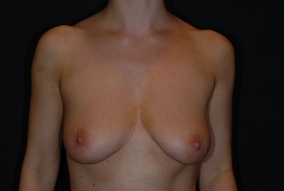
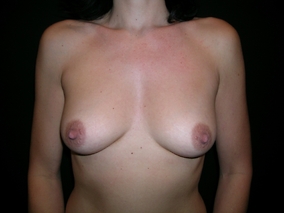
Breast augmentation increases volume. A breast lift raises and reshapes the breast. When the breasts have lost fullness but still sit in a good position, implants may be enough. When the breasts sit low, the nipples point downward, or the skin has stretched significantly, a breast lift may need to be part of the plan.
Larger implants do not reliably correct sagging breasts. They add weight. They do not reposition the breast in a controlled, elegant way.
This decision matters especially after pregnancy and weight loss, when many women are dealing with both deflation and skin laxity. A clear consultation helps determine whether the breast needs more fullness, a higher position, or both.
The initial consultation should feel clear, warm, and practical. This is where patients should be able to talk honestly about what they want, what they are worried about, and what kind of result would feel most comfortable to live with.
Dr. Azar evaluates breast shape, breast tissue, breast skin, symmetry, chest wall width, and overall proportions during the consultation. He’ll also discuss implant options, implant position, incision choice, recovery, and whether a breast lift belongs in the plan.
Patients should feel comfortable talking about:
This conversation should not feel rushed. Breast augmentation looks straightforward from the outside, but the planning is detailed.
How Should I Prepare for Breast Augmentation?
Preparing well makes recovery smoother. Breast augmentation is still a real surgical procedure, even when patients are healthy, and the recovery is straightforward.
How Is Breast Augmentation Surgery Performed?
Breast augmentation surgery is performed under general anesthesia. The surgeon makes the chosen incision, creates the implant pocket, places the implant, checks symmetry and implant position, and then closes the incision with stitches.
A typical sequence looks like this:
The surgery itself usually takes about one hour to complete, though that can vary with the details of the case.
Recovery After Breast Augmentation
Breast augmentation recovery is very manageable for most patients, but it helps to know what the first several weeks actually feel like.
Following a Breast Augmentation Thousand Oaks patients may experience tightness, swelling, bruising, and soreness after surgery. The chest often feels heavy and stretched early on, especially when implants are placed under the muscle. Support garments, rest, and careful movement make a meaningful difference during this period.
Most Thousand Oaks Breast Augmentation patients return to sedentary work within about a week after surgery. Socially, many women feel comfortable being seen in public around that point as well, though the breasts are still swollen and sitting higher than they will in the final result.
Breast Augmentation recovery includes some real restrictions. Patients should avoid lifting over 10 to 15 pounds during recovery. They should also avoid lifting their arms above shoulder level in the early phase. Strenuous exercise should be avoided for at least three weeks, and upper-body workouts often need more time depending on healing and implant position.
This is the settling phase patients talk about constantly after surgery. The implants start high and firm. Then the tissues relax. Swelling decreases. The implants settle into a more natural position. The lower part of the breast rounds out, and the overall shape softens.
This process is normal. It takes time. Patience matters here.
Westlake Village Breast Augmentation patients must wear a tight surgical compression bra immediately after surgery, and some patients may also need a compression bandage for support. These garments help minimize swelling and support the healing breast. Keeping the chest supported, clean, and dry is part of good aftercare.
When Will I See Results From Breast Augmentation?
Patients see more volume right away, but the final result takes time.
Early breast augmentation results are affected by swelling, muscle tightness, and the position of the implants. The breasts usually look higher, firmer, and less settled in the beginning. Then, post-operative healing brings a decrease in swelling and relaxation of the tissue.
A realistic timeline looks like this:
Breast implants are durable, but they are not lifetime devices. Some women keep the same implants for many years without issue. Others need revision earlier because of implant rupture, capsular contracture, implant position changes, or a shift in aesthetic goals.
Silicone implants require routine imaging to monitor integrity because a silicone breast implant rupture can be silent. Long-term follow-up matters.
Patients should also know that around ten years out, a meaningful percentage of women will need some form of additional surgery, whether for replacement, revision, or removal. Breast augmentation should be thought of as long-lasting, not maintenance-free.
Risks, Safety, and Long-Term Considerations Breast augmentation is one of the most commonly performed plastic surgery procedures, but it still comes with real risks and long-term considerations.
Scar tissue forms around every implant. When that capsule tightens too much, it is called capsular contracture. The breast may feel firm, look distorted, or become uncomfortable. This is one of the more well-known complications in breast augmentation patients.
Saline implants usually deflate visibly if they rupture because the saline solution is absorbed by the body. Silicone implant rupture is different. It can stay silent for some time, which is why monitoring is part of long-term care.
Breast implant illness is a term used for systemic symptoms some women report after receiving implants. These symptoms can include fatigue, brain fog, joint pain, and other complaints. Systemic symptoms may improve after implant removal in some patients. This topic deserves a thoughtful, honest discussion rather than dismissal.
BIA-ALCL is a rare lymphoma linked to textured breast implants. It is not breast cancer. It is rare, but it should still be part of informed consent.
Surgeon board certification should be prioritized when selecting a clinic. The surgical facility should also be accredited by a recognized agency. Safety, anesthesia support, and the standards of the medical office matter just as much as the implant choice.
Scars are part of breast surgery, and they should be discussed openly.
Scars typically fade within several months after surgery, though they continue to mature beyond that. Early scars are pinker and more visible. Over time, they usually flatten and lighten. The final look depends on the incision, healing, skin type, and aftercare.
Patients with a history of thick or raised scars should bring that up during the consultation. That information helps shape the surgical plan and the scar-care discussion afterward.
Breast Augmentation vs. Other Options
| Procedure | Best for | Less effective for |
|---|---|---|
| Breast augmentation | Increasing breast size and projection | Correcting significant sagging breasts |
| Breast lift | Raising and reshaping a low breast | Adding major breast volume |
| Breast augmentation with lift | Patients needing both fullness and repositioning | N/A when both goals are present |
| Fat transfer | Smaller, softer increase and contour adjustment | Larger, more predictable size increase |
Yes. Breast augmentation is commonly combined with a breast lift, especially after pregnancy and weight loss. It is also often part of a mommy makeover with procedures such as liposuction or tummy tuck.
Combination surgery can be a good option when the body, the recovery plan, and the surgical timeline all support it. Safety and recovery always come first.
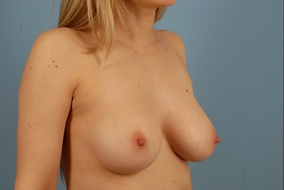
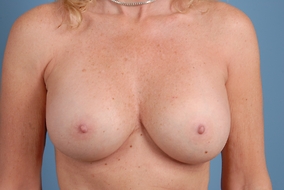
Breast augmentation rewards precision. Small decisions create major differences in shape, softness, implant position, scars, and the way the breast settles over time.
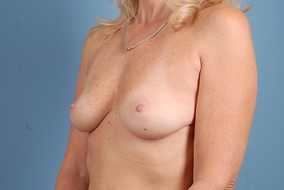
Dr. Kouros Azar is a board-certified plastic and reconstructive surgeon in Thousand Oaks with a reputation for careful planning, refined surgical judgment, and aesthetic results that feel balanced and natural. Patients looking for a Thousand Oaks surgeon or a Westlake Village plastic surgeon are often comparing not just credentials, but taste.
The surgeon makes choices about implant type, implant position, incision, projection, and how all of that should fit the patient’s body. Creating results that feel feminine, polished, and believable requires both technical skill and aesthetic restraint. Patients want to feel cared for, listened to, and guided well through the process.
Schedule Your Consultation With Dr. Azar Today
Schedule your breast augmentation consultation with Dr. Kouros Azar in Thousand Oaks to discuss breast implants, implant position, recovery, and whether breast augmentation alone or breast augmentation with breast lift makes the most sense for your goals.
The total price depends on implant type, facility fees, anesthesia, garments, prescriptions, and whether another procedure is added. A real quote depends on the exact surgical plan.
In many patients, yes. Silicone implants often have a softer, more natural feel, especially in women with thinner breast tissue.
Yes. This is one of the most common reasons women choose breast augmentation.
The general Breast Augmentation recovery timeline spans about 6 to 8 weeks, though most patients return to sedentary work within one week.
Walking starts early. Strenuous exercise should be avoided for at least three weeks, and upper-body work often stays restricted longer.
Silicone implants require routine imaging to monitor integrity because rupture can be silent.
It is the settling process after surgery, when swelling decreases and the implants move into a more natural position.
Capsular contracture, breast implant rupture, implant malposition, breast implant illness concerns, and the need for future revision are the major long-term issues patients should understand.
If the breasts sit low, the nipples point downward, or the skin has stretched significantly, a breast lift may be part of the better plan.
Radiant Results
Dr. Kouros Azar, founder and medical director of Azar Plastic Surgery and Med Spa, is an attentive listener, a devoted surgeon and doctor, and a highly-skilled biomedical engineer. He matches his patients with the best possible treatments by drawing on his extensive expertise, compassion, and research skills. Make an appointment with Dr. Azar now to discuss your rejuvenation options.