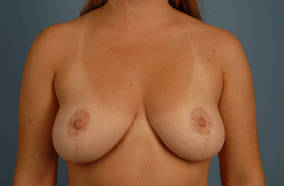
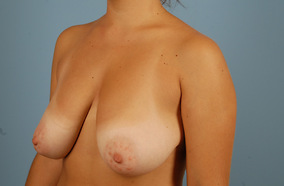
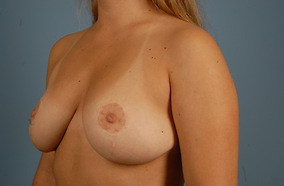
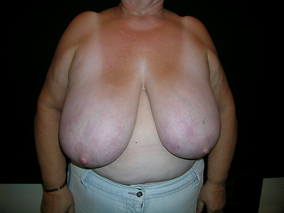
Serving Thousand Oaks and Westlake Village, CA
Conveniently located to serve the areas of Thousand Oaks, Westlake Village, Calabasas, Malibu, Agoura Hills and Camarillo
Breast reduction usually starts with a physical complaint. The breasts feel heavy. The neck and shoulders ache. Bra straps dig in. Exercise becomes frustrating, and even finding clothes or bras that fit the way they should starts to feel harder than it should be. For many women, the issue builds slowly until they realize how much of daily life has been shaped by the weight and discomfort they experience.
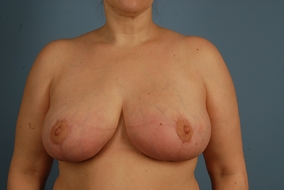
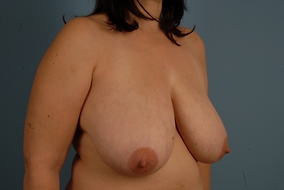
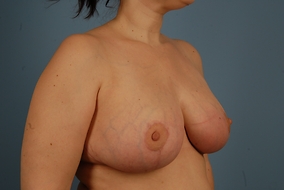
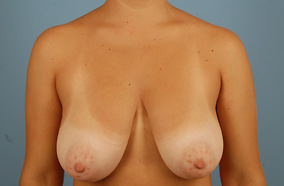
Breast reduction surgery is meant to change that. In Thousand Oaks, Dr. Kouros Azar performs breast reduction with close attention to comfort, breast shape, and long-term proportion. The goal is to create smaller breasts that feel lighter, move more comfortably, and fit the patient’s body in a way that looks balanced and feels easier to live with.

What Is Breast Reduction?
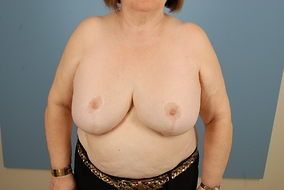
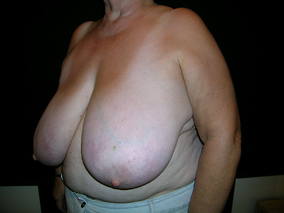
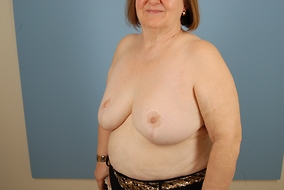
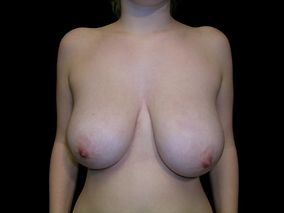
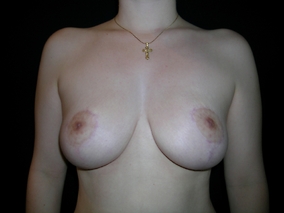
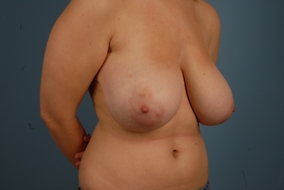
Breast reduction, also called reduction mammoplasty or reduction mammaplasty, is a breast reduction procedure that removes excess breast tissue, fat, and skin to make the breasts smaller and reshape them. It’s used to relieve pain, reduce physical strain, and create a breast size that feels more proportional to the patient’s body.
At a Glance
What Symptoms and Concerns Does Breast Reduction Treat?
Breast reduction is often chosen because the breasts are affecting comfort, mobility, and the overall quality of daily life. Patients can have pain in the neck, shoulders, and upper back. They may deal with skin irritation under the breasts, grooves from bra straps, and real limits when it comes to physical activity.
Breast reduction can help with:
Patients also talk about the social side of it. Many women are tired of working around their breasts instead of dressing or moving the way they want. Women often find it easier to shop for clothes after breast reduction, and many patients report immediate relief from back and neck pain once the weight is gone.
What Are the Benefits of Breast Reduction?
The biggest benefit of breast reduction is relief. Breasts that feel too heavy can affect posture, exercise, clothing, and day-to-day comfort in ways that build over time. Reduction surgery changes that by removing excess tissue and creating a breast size that feels lighter and more in proportion with the rest of the body.
Benefits of breast reduction may include:
For many patients, the change is immediate in practical ways. They feel less weight through the chest and shoulders, move more comfortably, and stop planning around the limitations that came with overly large breasts.
Who Is a Good Candidate for Breast Reduction?
A good candidate for breast reduction is physically bothered by the size or weight of the breasts and is healthy enough for surgery and recovery.
Candidates often experience chronic back, neck, or shoulder pain and feel that overly large breasts are affecting posture, exercise, and comfort. A thorough medical history is also essential. Patients should have well-controlled medical conditions, and some may need a mammogram if they are over 40 or have a family history of breast cancer.
This is one of the reasons the initial consultation matters so much. The right procedure depends on the amount of excess tissue, the degree of skin laxity, the patient’s goals, and how the breast sits on the chest.
Breast Reduction vs. Breast Lift
A breast reduction and a breast lift can both create a more elevated breast shape, but they solve different problems.
A breast lift reshapes and raises the breast. It does not remove the same significant amount of tissue that breast reduction surgery removes. A breast reduction decreases breast size, relieves weight-related discomfort, and lifts the breast as part of the reshaping process. Johns Hopkins and Mayo both make this distinction clear: lifts change position and shape, while reduction mammoplasty also makes the breasts smaller.
For patients with large breasts, a breast lift alone may not solve the problem. The weight has to be reduced. For patients whose breasts sit low but do not feel too large, a lift may be enough. That difference becomes much clearer in person once the breast tissue, skin, and overall body proportions are examined.
How Should I Prepare for Breast Reduction?
Preparation starts with honesty and planning. Patients should review their medical history, medications, supplements, and any prior breast procedures with the office. Smoking increases risks of flap necrosis and wound healing complications, so nicotine use has to be paused before and after surgery. Patients should also arrange for a friend or family member to help after surgery, prepare loose clothing, and have a surgical bra or other recommended support ready at home.
It also helps to plan around recovery time in a realistic way. Most patients can return to work after 1 to 2 weeks, depending on job demands, but heavy lifting and more strenuous physical activity need to wait longer. Good preparation makes the first week much easier.
How Is Breast Reduction Performed?
Breast reduction surgery is performed under general anesthesia. During the procedure, the surgeon removes excess breast tissue, fat, and skin, reshapes the remaining breast, and repositions the nipple-areola complex when needed.
Common incision patterns include Wise-pattern and vertical techniques, and the inferior pedicle technique is one of the most commonly used approaches. Liposuction can also be used for smaller breast reductions in selected patients.
For the patient, the practical takeaway is simpler. Tissue removal makes the breasts smaller. Removing excess skin and reshaping the remaining tissue creates a better breast shape. The surgery is structured around both comfort and proportion.
Recovery After Breast Reduction
Recovery from breast reduction surgery typically takes several months from start to finish, though the first phase is much shorter.
Most patients need 1 to 2 weeks before they feel ready for desk work or light public activity. Swelling and bruising are normal and usually subside over the first weeks. Patients should avoid heavy lifting for at least 4 weeks, and some will need additional support garments or elastic pressure garments during healing.
The early recovery usually includes soreness, fatigue, a tight chest, and the need for a surgical bra. Pain medication is often needed in the first stretch, then decreases. Most patients feel progressively better week by week, but the breasts continue settling well beyond the point where day-to-day life feels normal again.
When Will I See Results From Breast Reduction?
Patients usually notice the size change right away. They also notice swelling right away. Those happen together. The breasts are smaller immediately, but they don’t look fully settled in the first days or weeks. Over time, swelling decreases, the breasts soften, and the final shape becomes clearer. The same is true of scars. They are part of the breast reduction procedure from day one, but they continue to improve over the months.
How Long Do Breast Reduction Results Last?
Breast reduction results are long-lasting. Once excess breast tissue, excess skin, and fat are removed, that reduction holds well. Still, breasts remain responsive to life. Pregnancy, aging, hormone changes, and weight fluctuations can all change shape over time. Even so, many patients experience relief and improved physical comfort for years after surgery.
Scars After Breast Reduction
Breast reduction surgery involves permanent scarring along incision lines. That should be discussed directly, not softened. Common patterns can include a scar around the nipple, a vertical line down the lower breast, and sometimes a crease scar along the fold, depending on the technique used. Scars are usually easy to hide under bras, tops, and swimwear, but they are still part of the tradeoff.
Most scars soften with time. Some remain more visible than others depending on skin type, tension, healing, and aftercare. Long-term complications can include breast asymmetry and scarring that’s more noticeable than expected. Patients with a history of thicker scars should bring that up during consultation.
Risks, Safety, and Long-Term Considerations
Complications after breast reduction can include hematoma, seroma, wound infection, delayed wound healing, nipple sensation changes, and, in rare cases, nipple-areolar complex necrosis.
Reduced ability or inability to breastfeed is also possible after surgery. Changes in nipple sensation may be temporary or long-term. These are standard parts of informed consent, and they should be discussed with clarity.
Breast asymmetry and scarring can also remain as longer-term issues even after successful surgery. None of this means the procedure is a bad choice. It means patients deserve straight information from a board-certified plastic surgeon before moving forward.
Why Choose Dr. Azar for Breast Reduction?
Dr. Kouros Azar is a board-certified plastic surgeon in Thousand Oaks with the technical expertise patients look for when breast size, breast shape, comfort, and long-term proportion all need to be considered together. Patients want a surgeon they trust completely, one who listens closely, takes symptoms seriously, and understands that this surgery is about life as much as appearance. That includes comfort during exercise, bras that fit, less pain through the neck and shoulders, and breasts that feel more in proportion with the patient’s body.
At Azar Plastic Surgery, the philosophy is careful and direct. The recommendation should make sense. The technique should fit the anatomy. The result should feel lighter, balanced, and appropriate to the patient’s frame.
Schedule Your Consultation
Schedule your initial consultation with Dr. Kouros Azar in Thousand Oaks to discuss breast reduction surgery, symptom relief, recovery, and whether reduction mammaplasty is the right procedure for your goals.
Breast reduction cost depends on the surgical techniques used, facility fees, anesthesia, and complexity. Insurance coverage for breast reduction varies by plan and medical necessity.
Yes. Breast reduction surgery makes the breasts smaller and reshapes them, so there is usually a lift effect as part of the procedure.
Most patients need 1 to 2 weeks before returning to work, depending on the job. Full recovery takes longer, and heavy lifting is restricted for at least several weeks.
Yes. Patients often report immediate relief from neck pain, shoulder pain, and the strain caused by overly large breasts.
Yes. Permanent scars are part of the surgery, though they usually soften and fade over time.
Yes. Nipple sensation can be reduced or altered after breast reduction surgery.
Possibly, but breast reduction can decrease breastfeeding ability, and some patients may be unable to breastfeed after surgery.
If the breasts feel heavy and physically uncomfortable, a reduction may be the better fit. If the issue is position or drooping more than weight, a breast lift may make more sense.
Radiant Results
Dr. Kouros Azar, founder and medical director of Azar Plastic Surgery and Med Spa, is an attentive listener, a devoted surgeon and doctor, and a highly-skilled biomedical engineer. He matches his patients with the best possible treatments by drawing on his extensive expertise, compassion, and research skills. Make an appointment with Dr. Azar now to discuss your rejuvenation options.