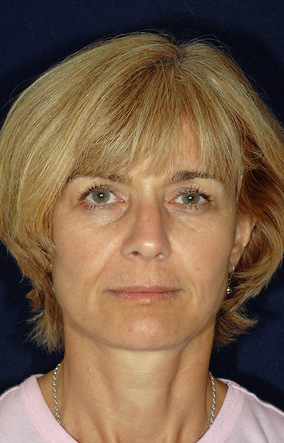
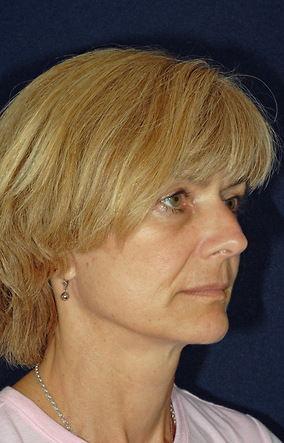
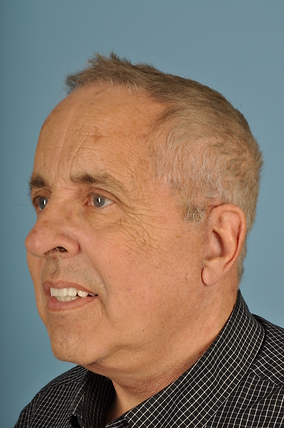
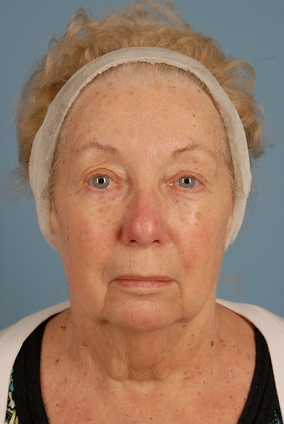
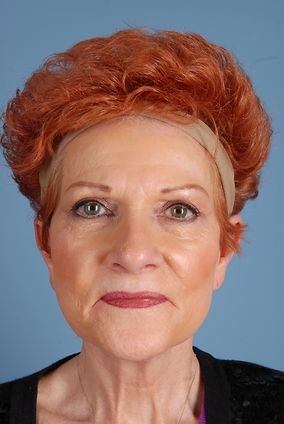
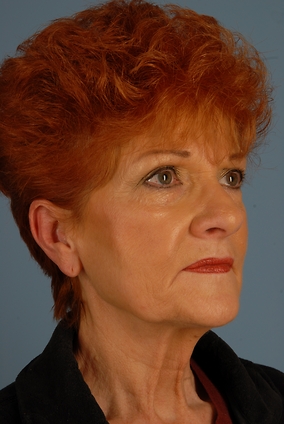
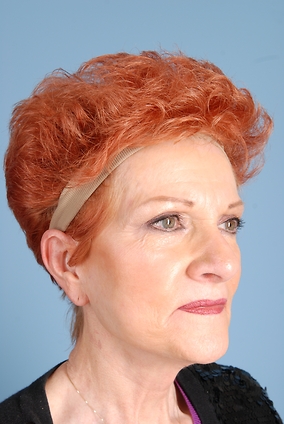
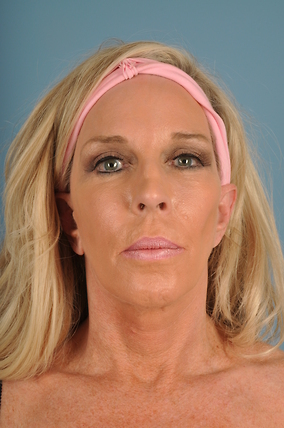
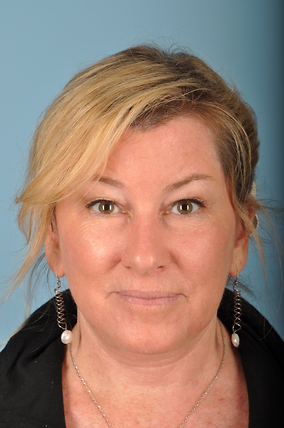
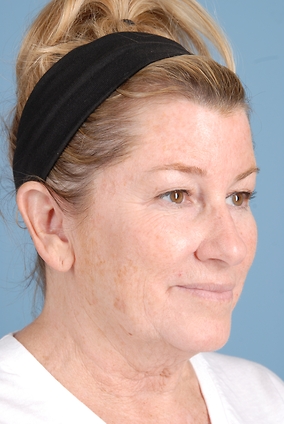
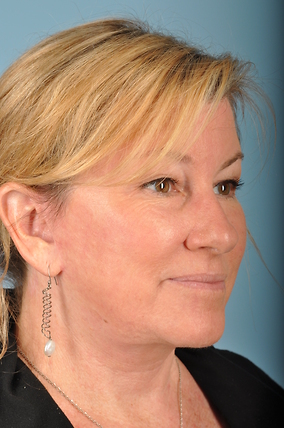
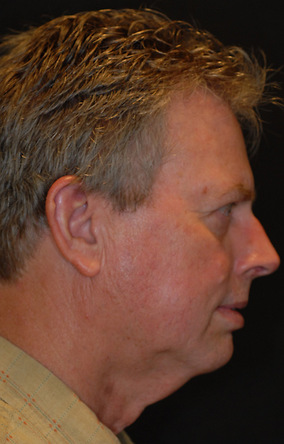
Serving Thousand Oaks and Westlake Village, CA
Conveniently located to serve the areas of Thousand Oaks, Westlake Village, Calabasas, Malibu, Agoura Hills and Camarillo
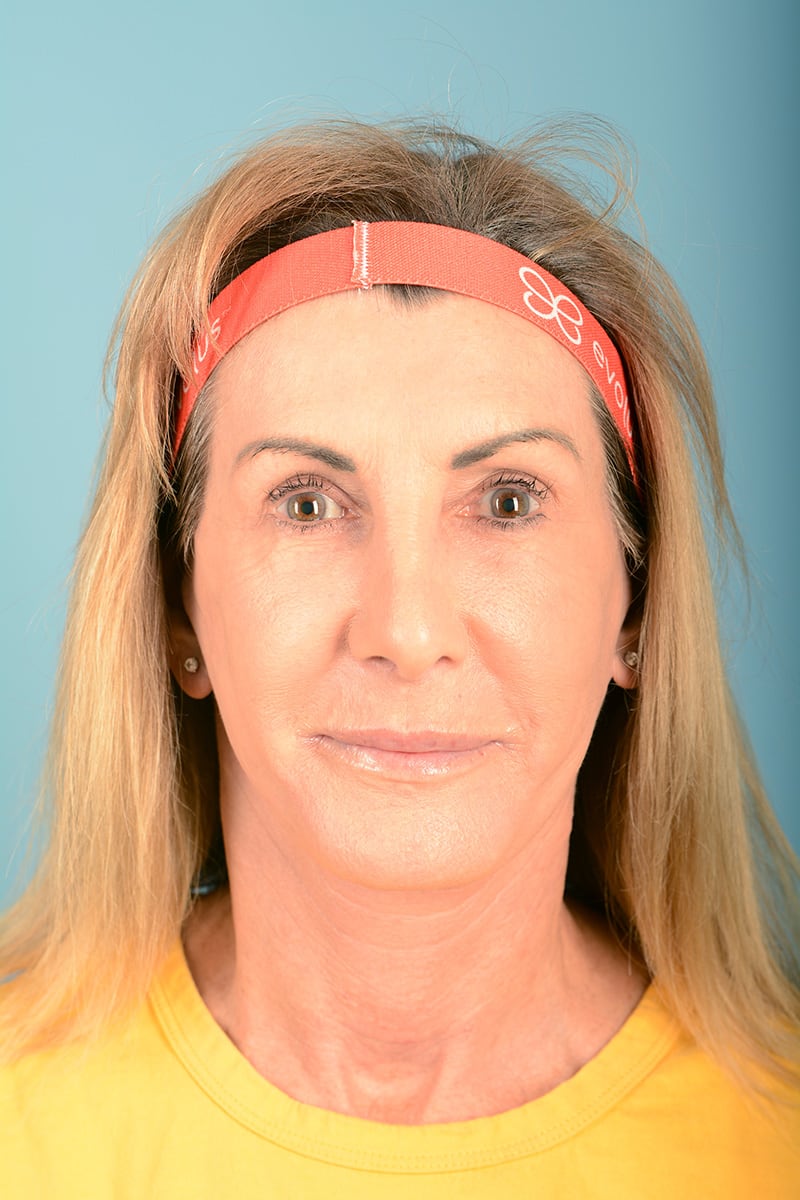
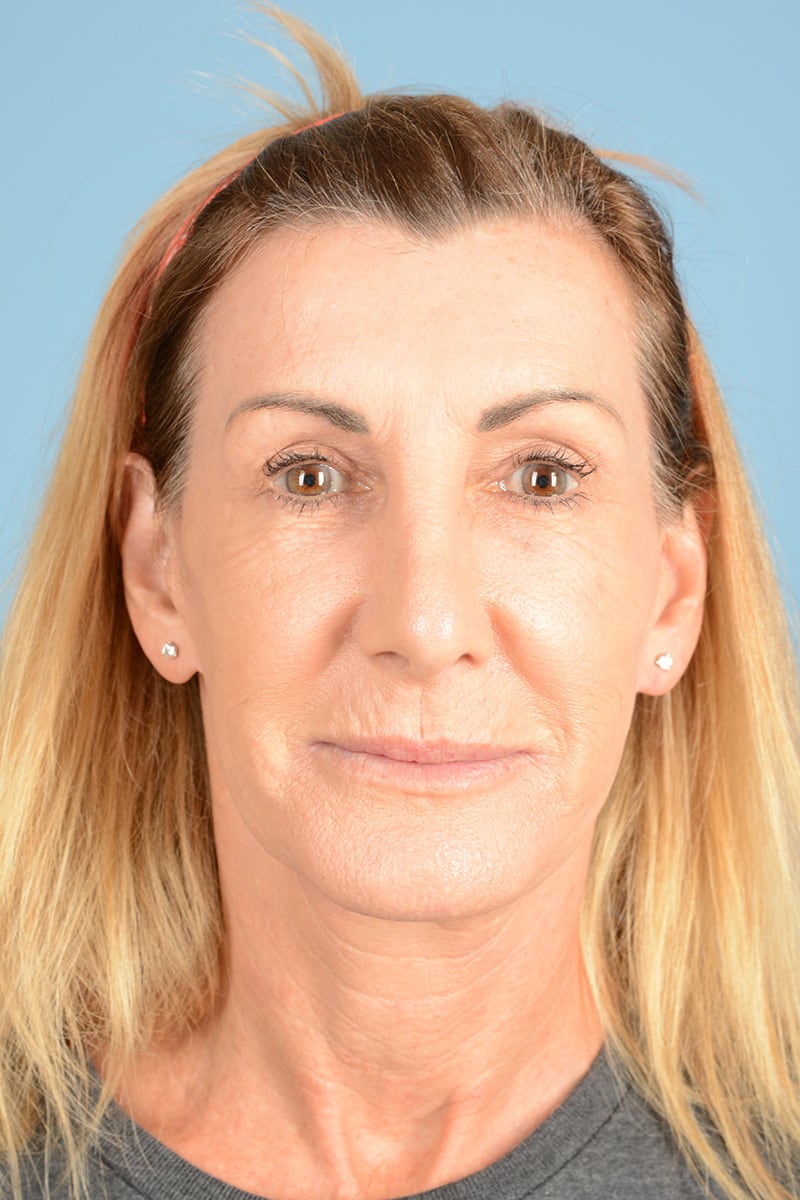
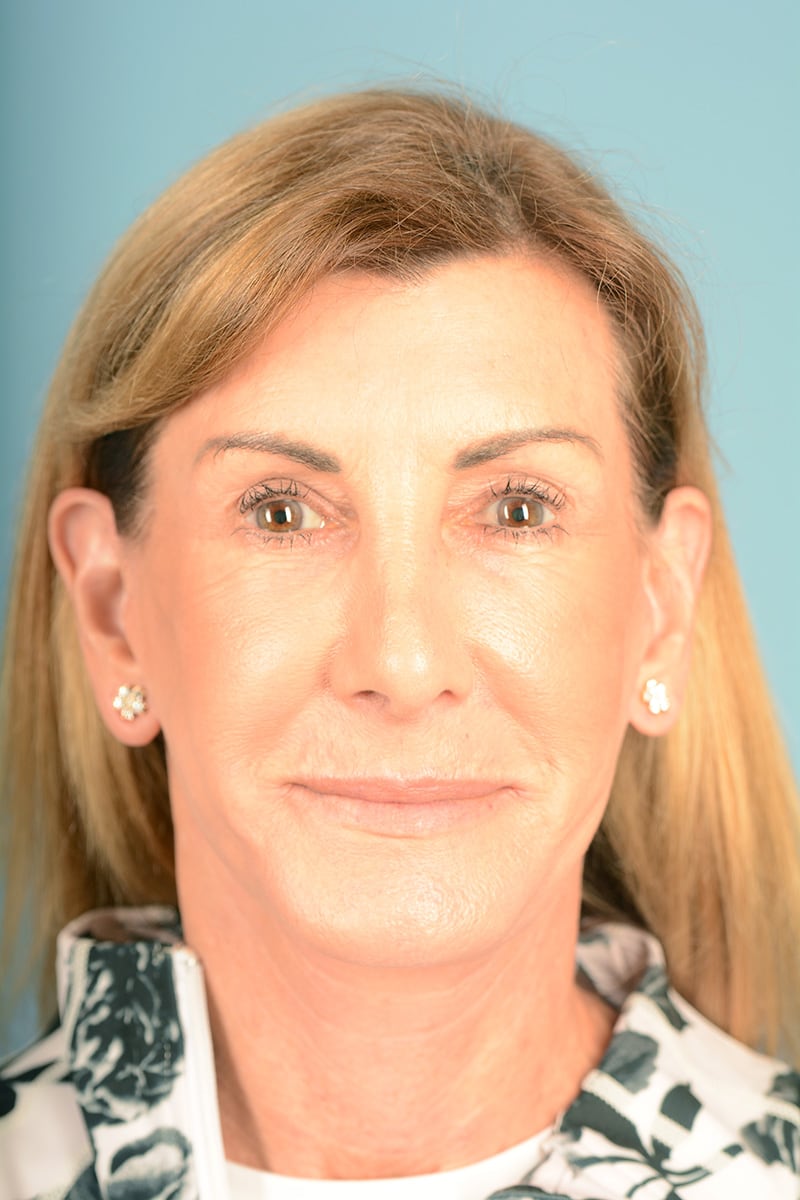
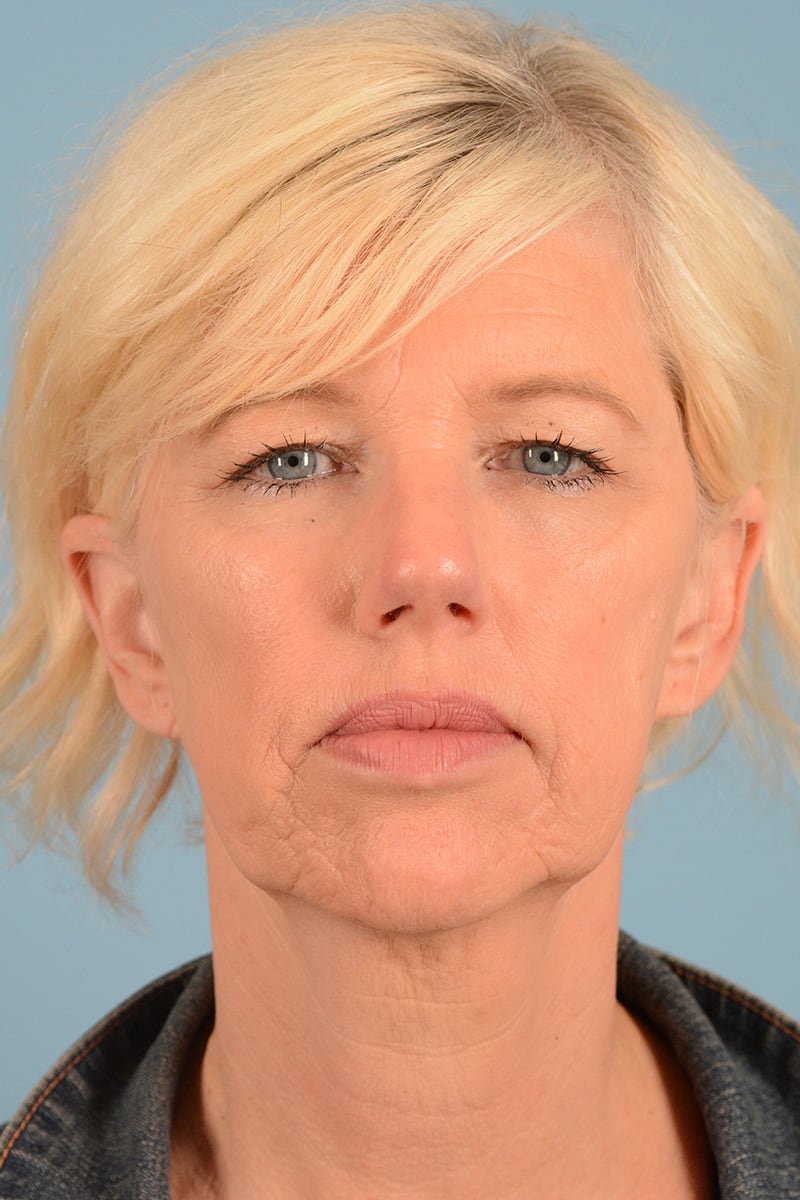
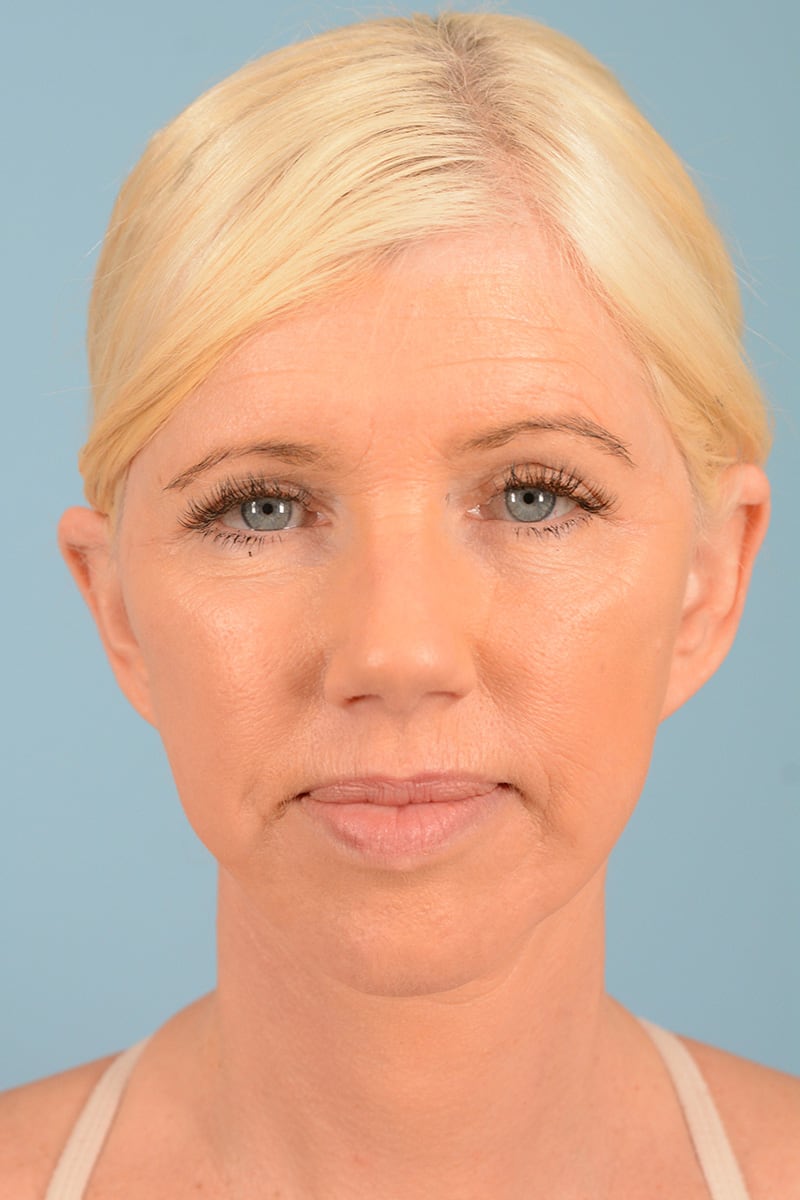
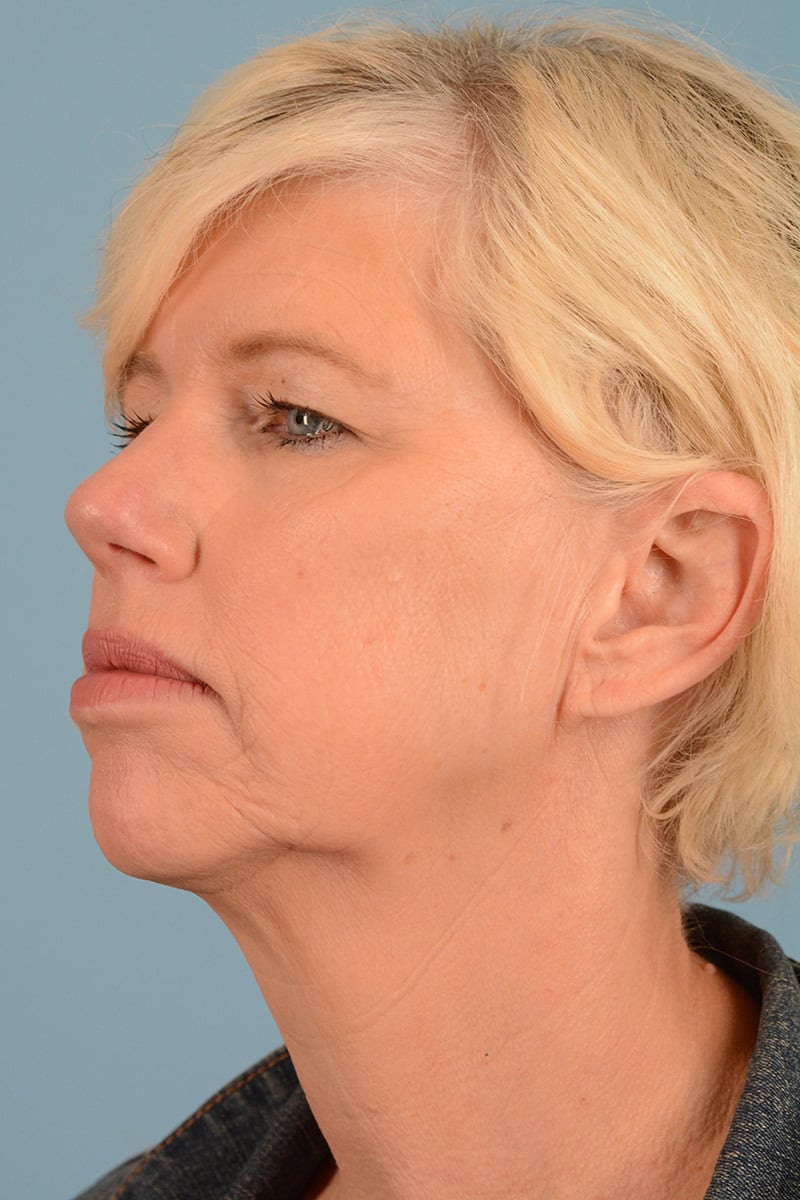
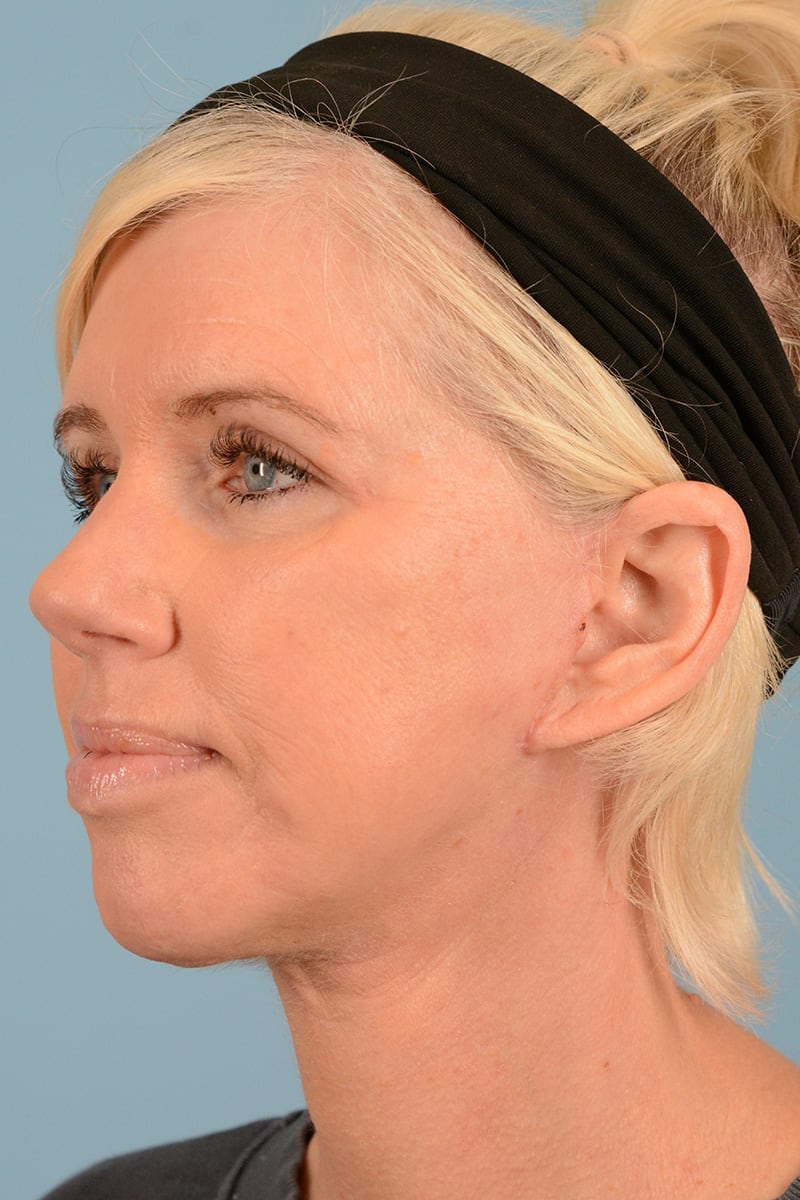
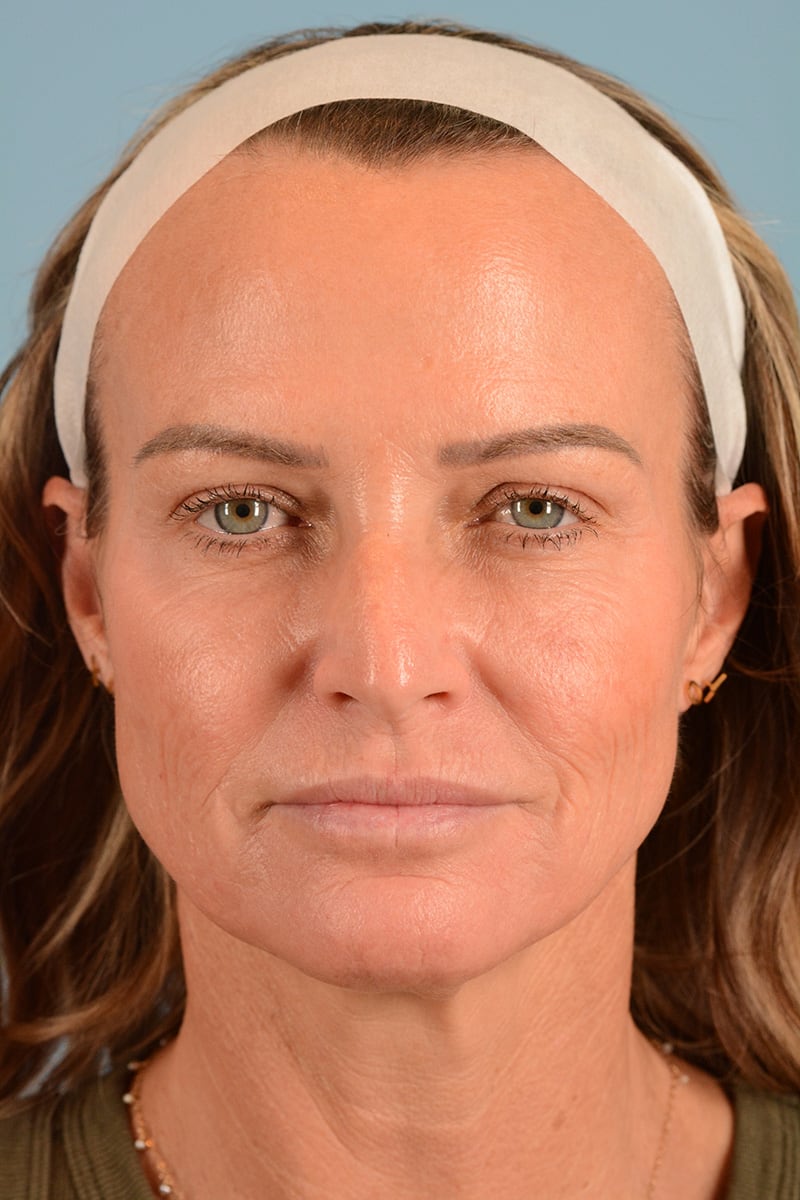
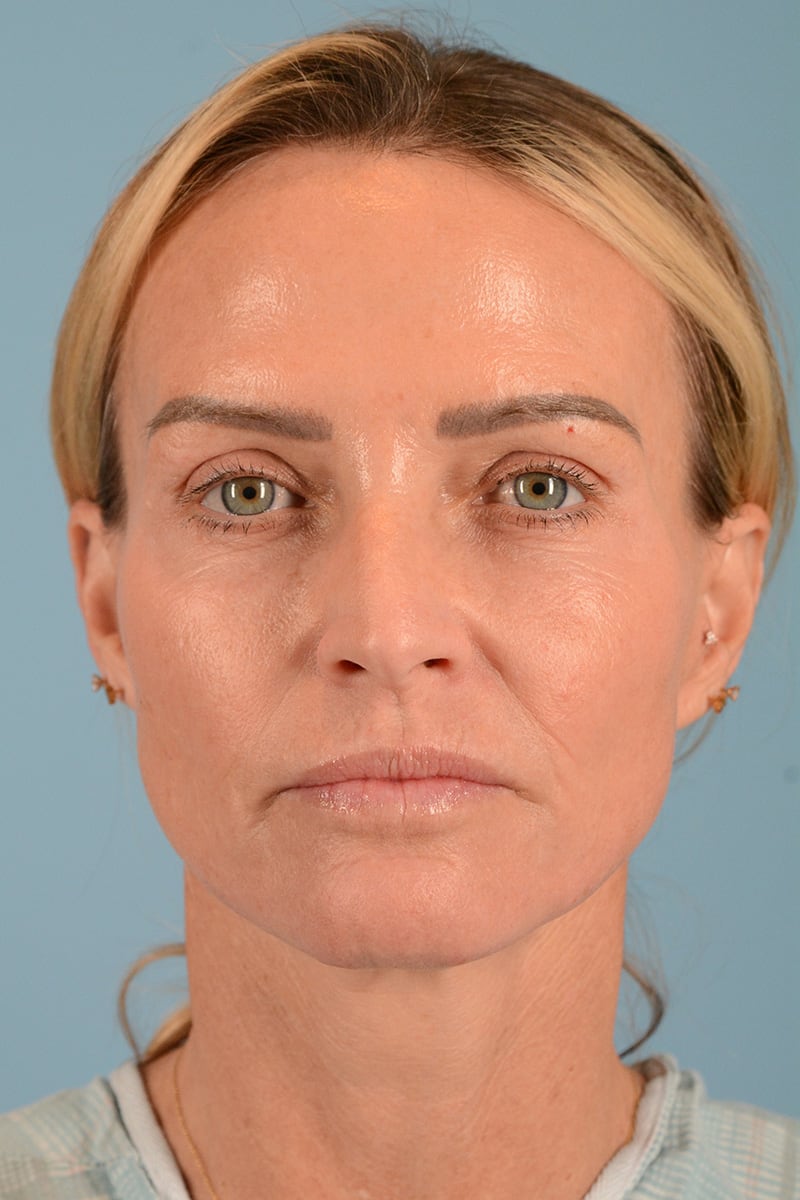
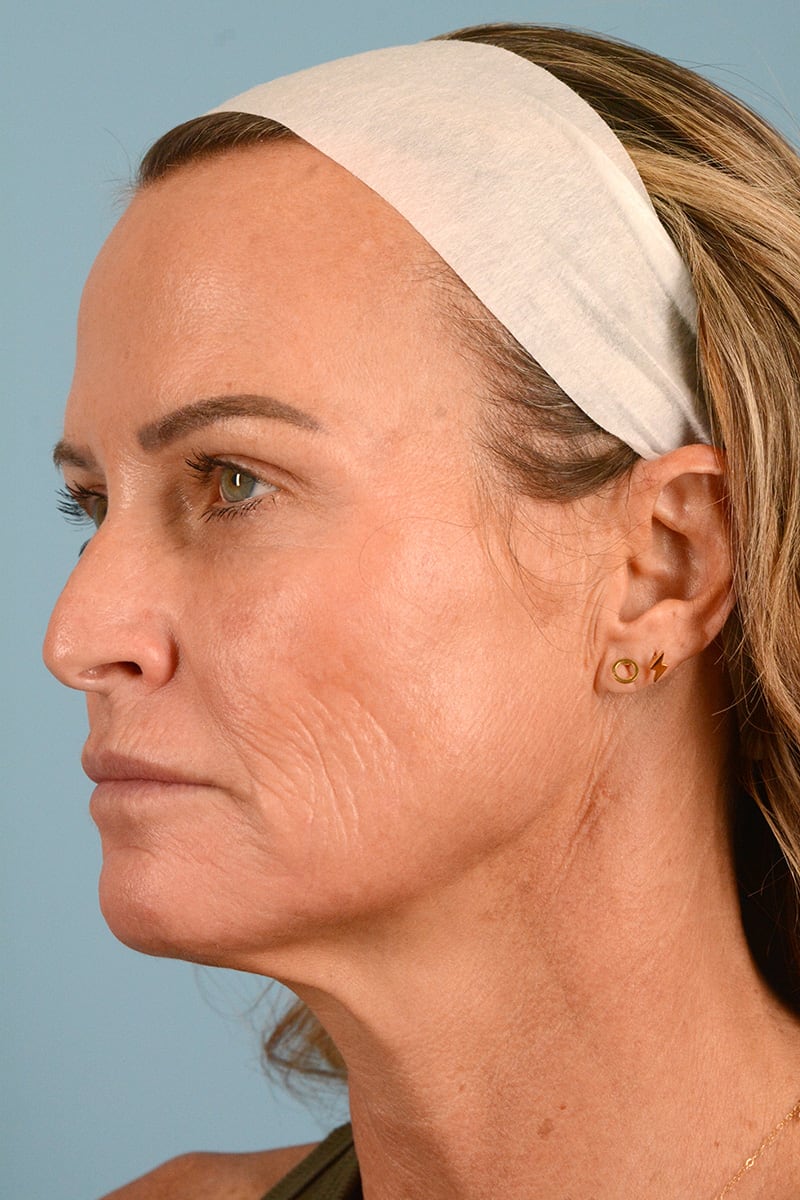
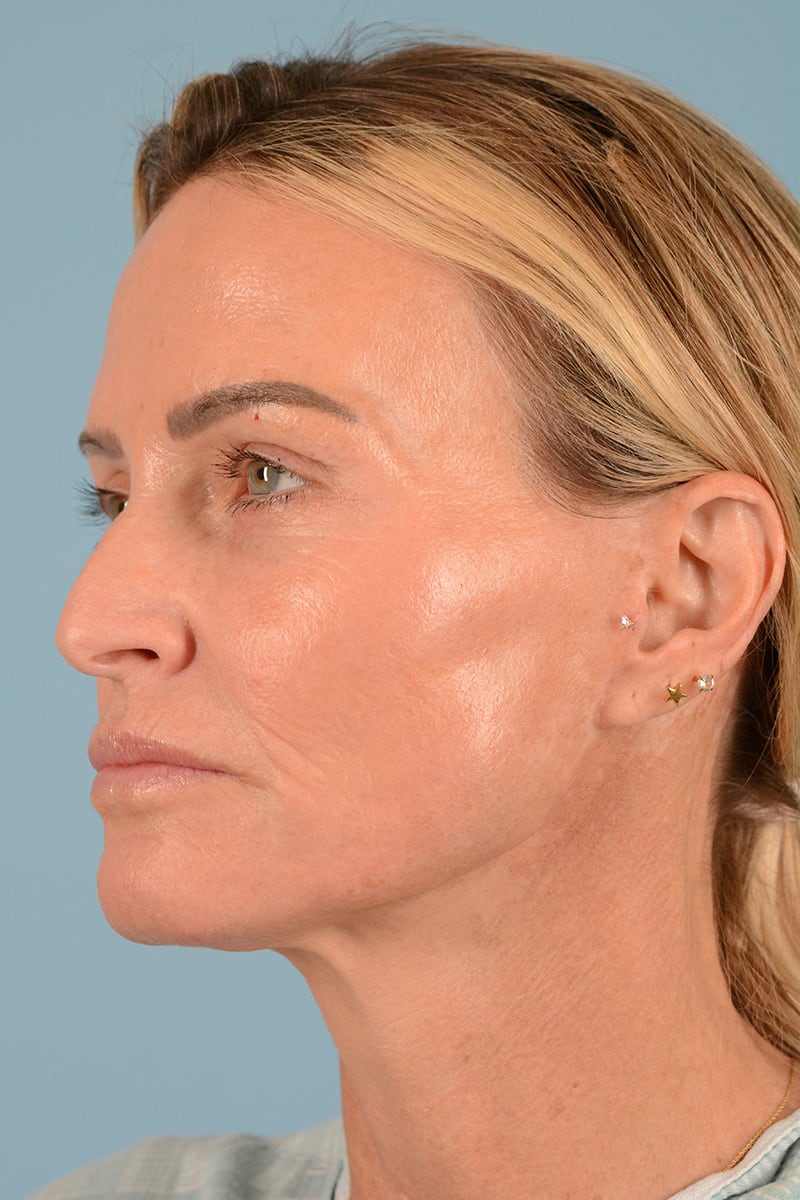
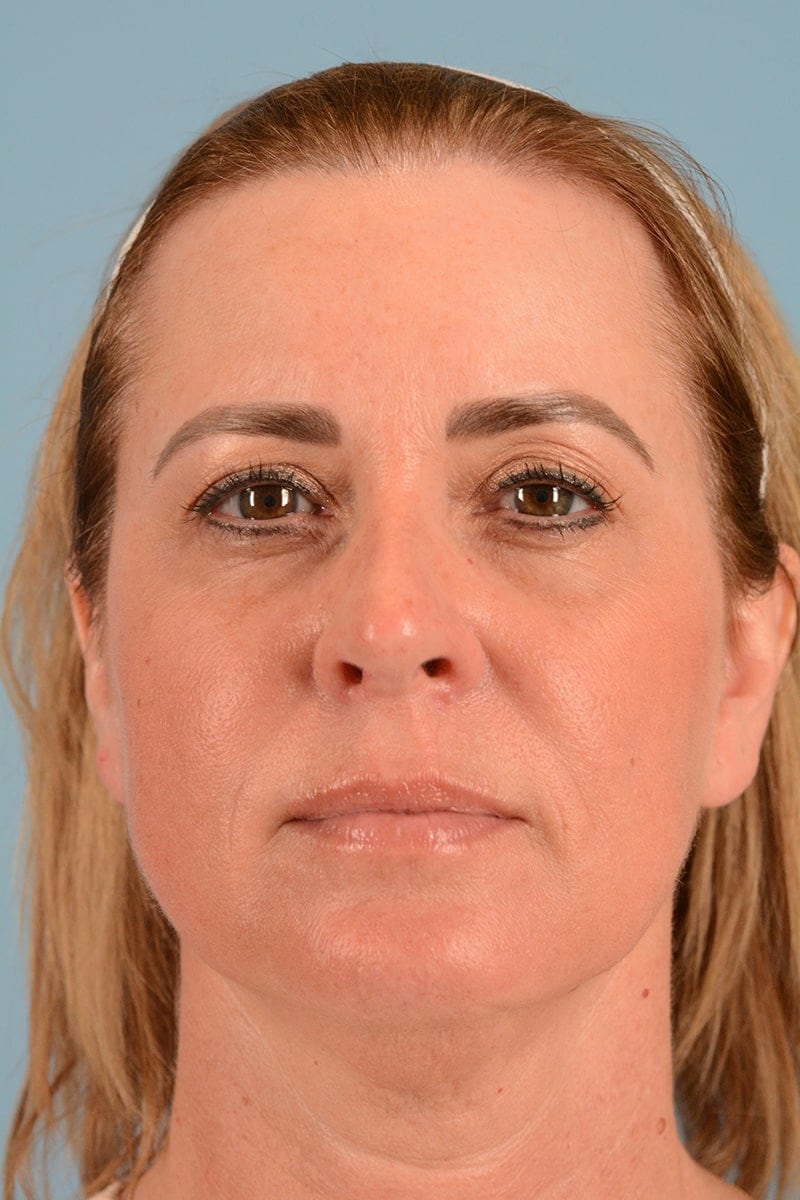
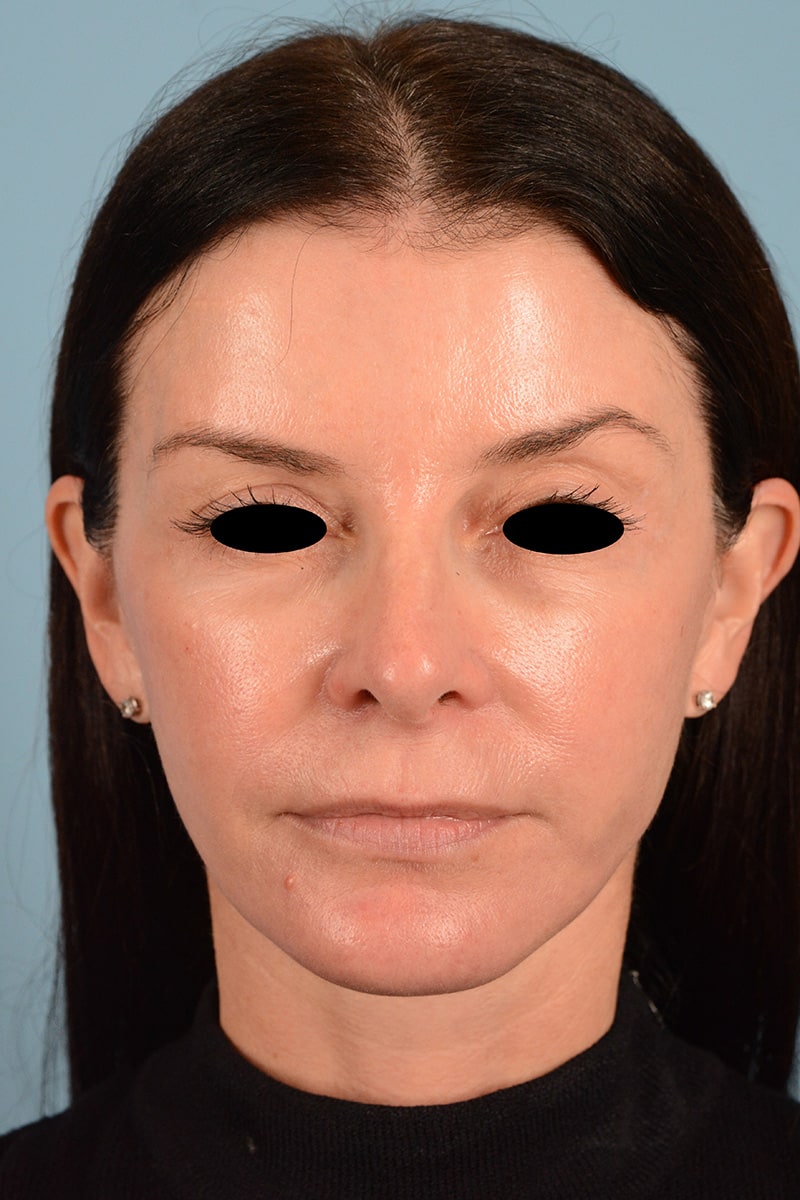
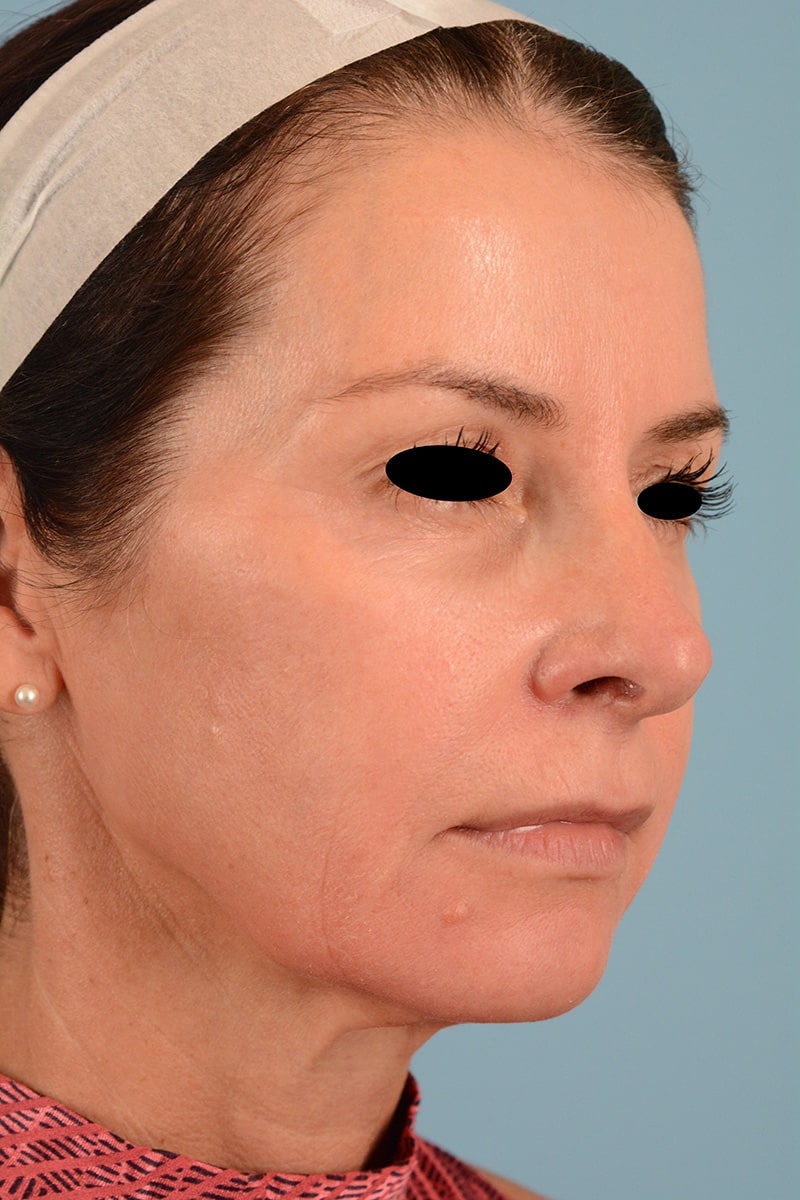
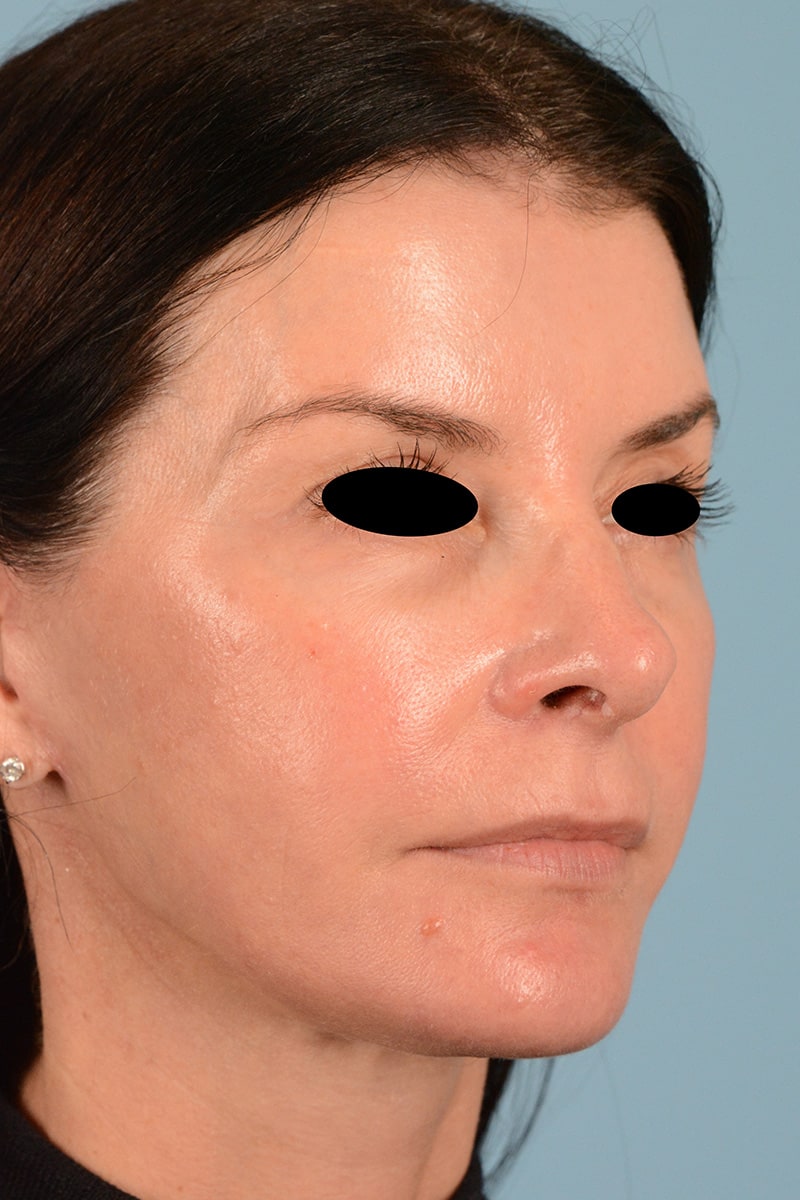
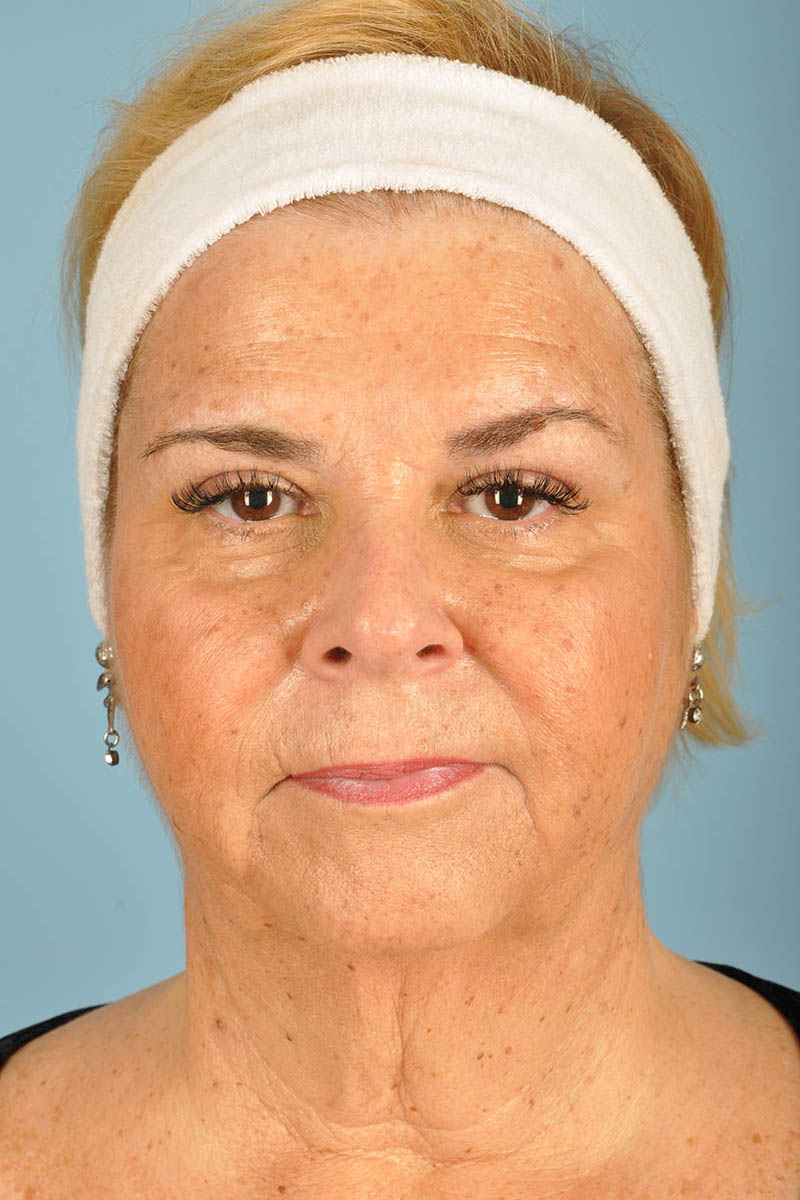
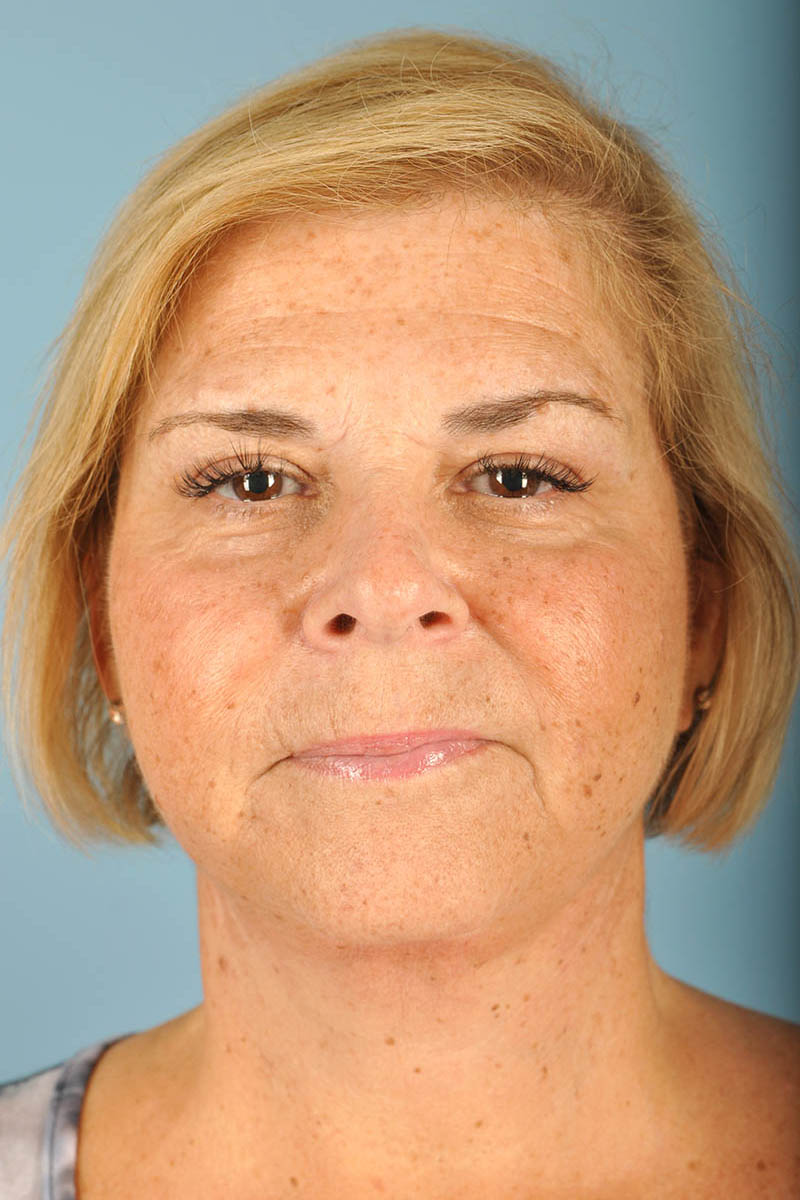
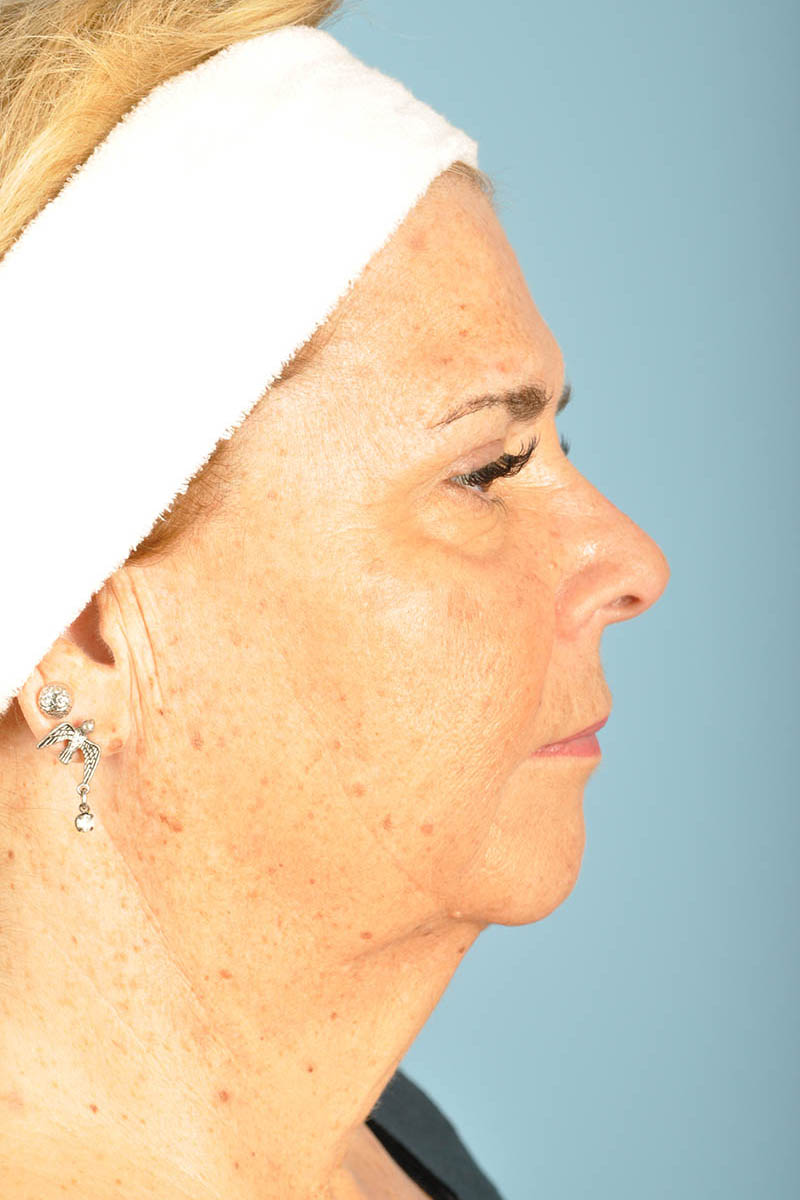
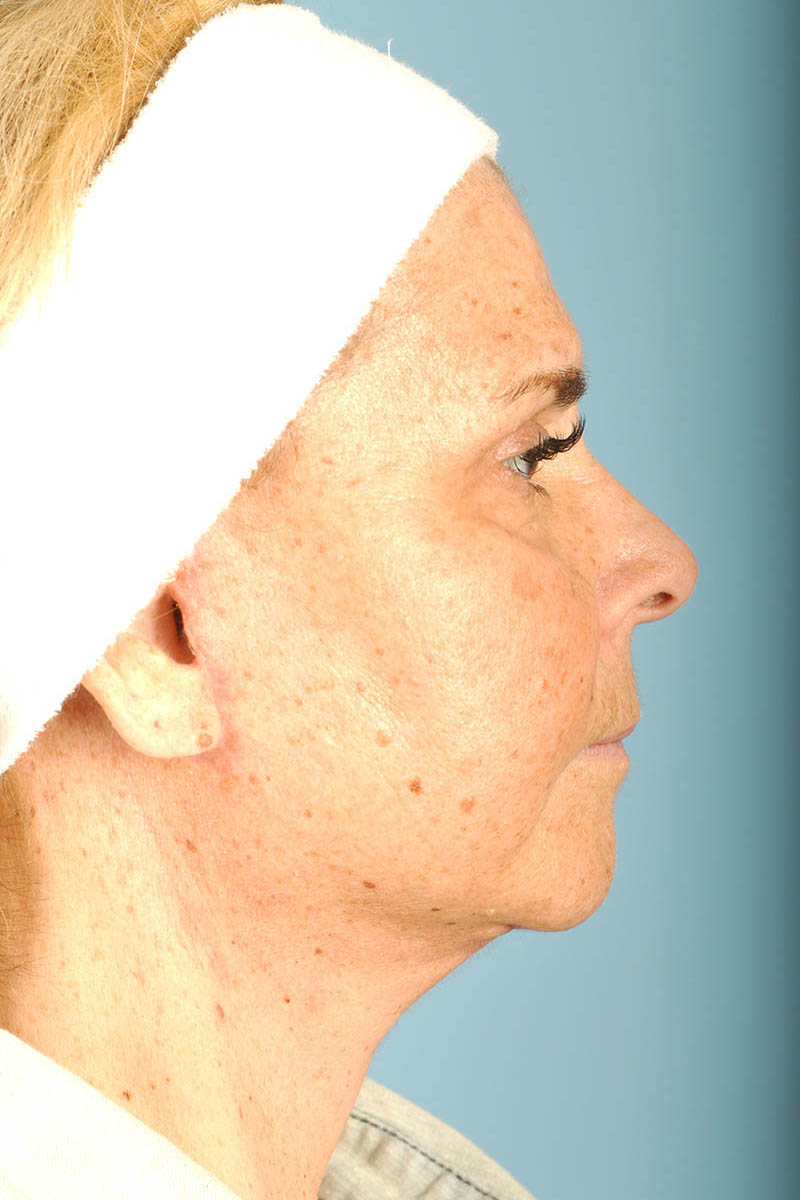
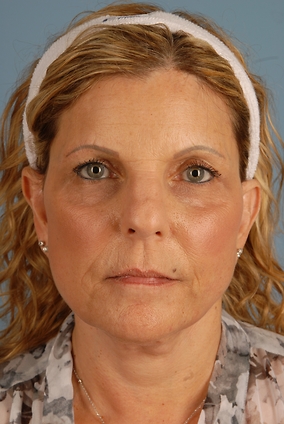
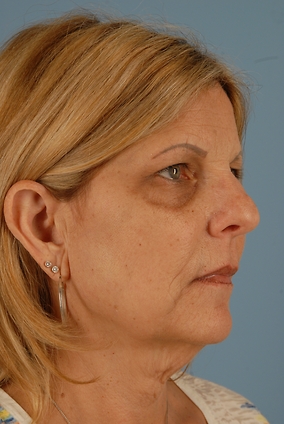
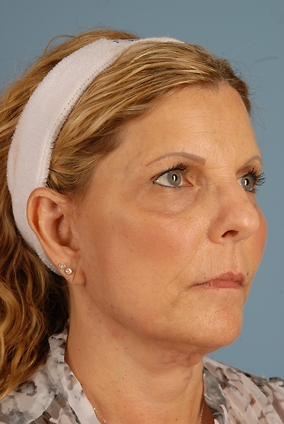
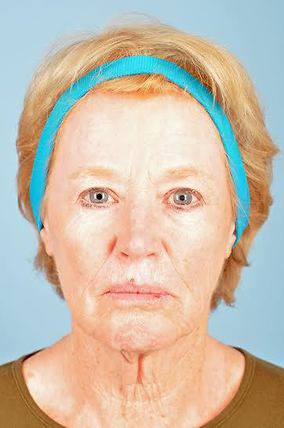
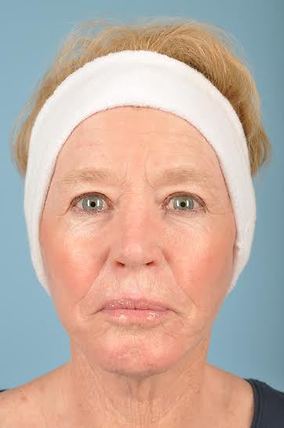
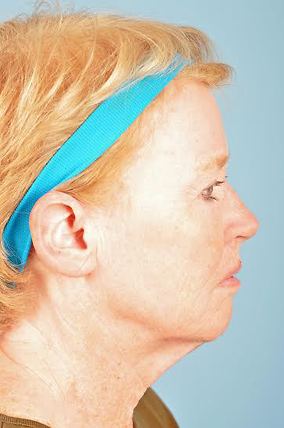
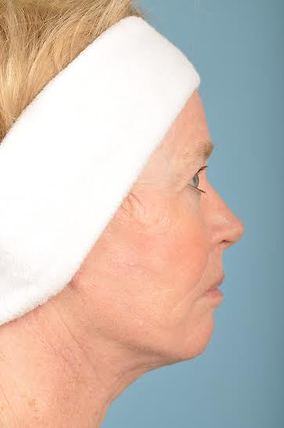
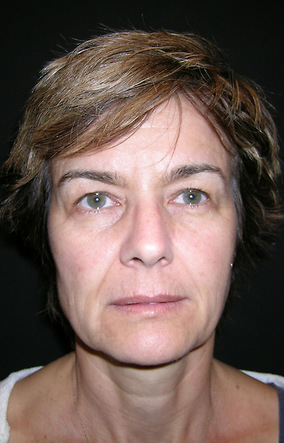
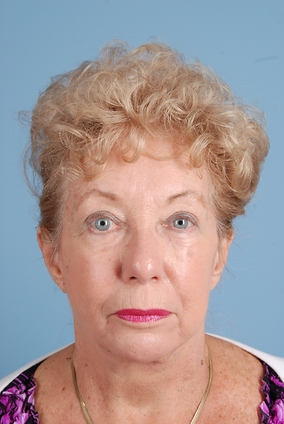
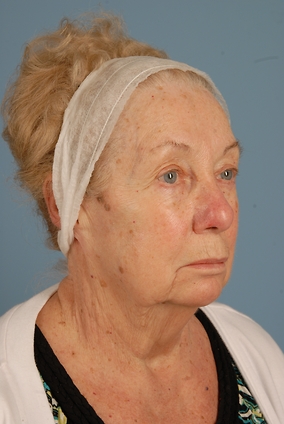
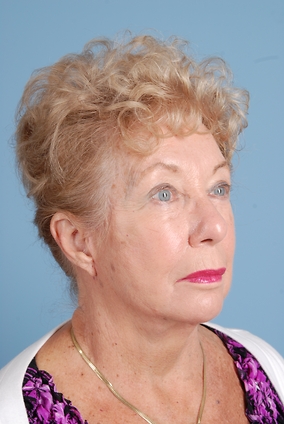
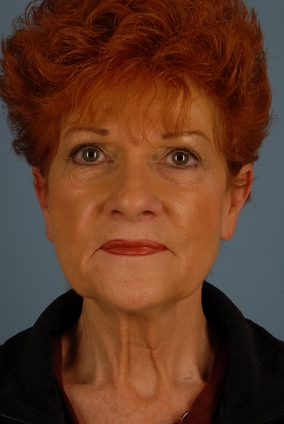
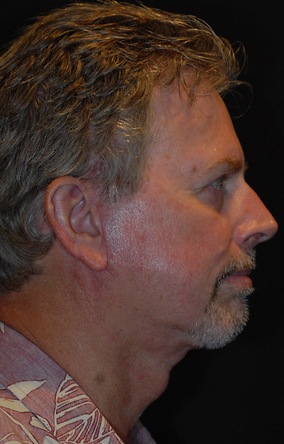
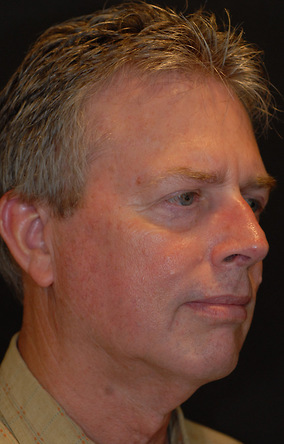
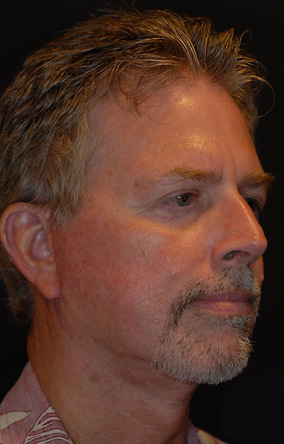
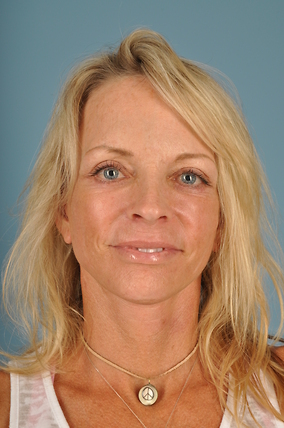
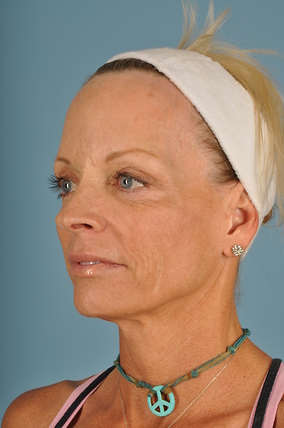
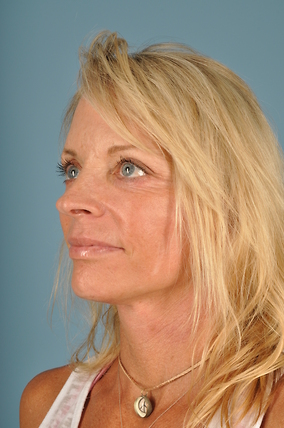
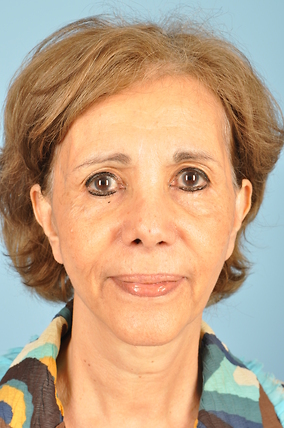
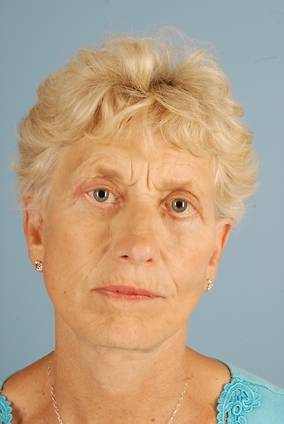
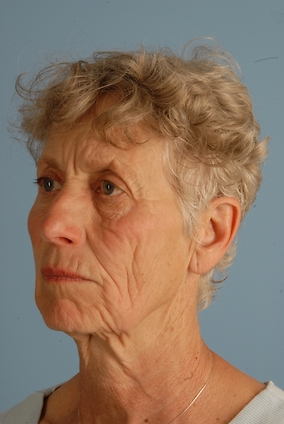
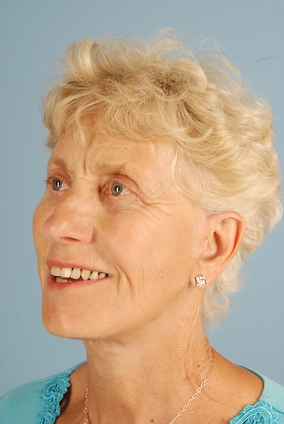
Many people think that a facelift involves pulling the facial skin tight to “iron out” the wrinkles. Once upon a time, that was the case. But today, Thousand Oaks facelift expert, Dr. Kouros Azar offers a truly restorative procedure that brings back youthful contours and re-drapes the skin for a natural looking facelift result. He has earned a reputation for the innovative techniques he employs and the remarkable results he achieves for his patients. If you are wondering if a facelift is right for you, request a consultation with Dr. Azar to discuss the possibilities. Or you can call our office at (805) 373-7073 and one of our knowledgeable, friendly staff members will schedule your appointment.
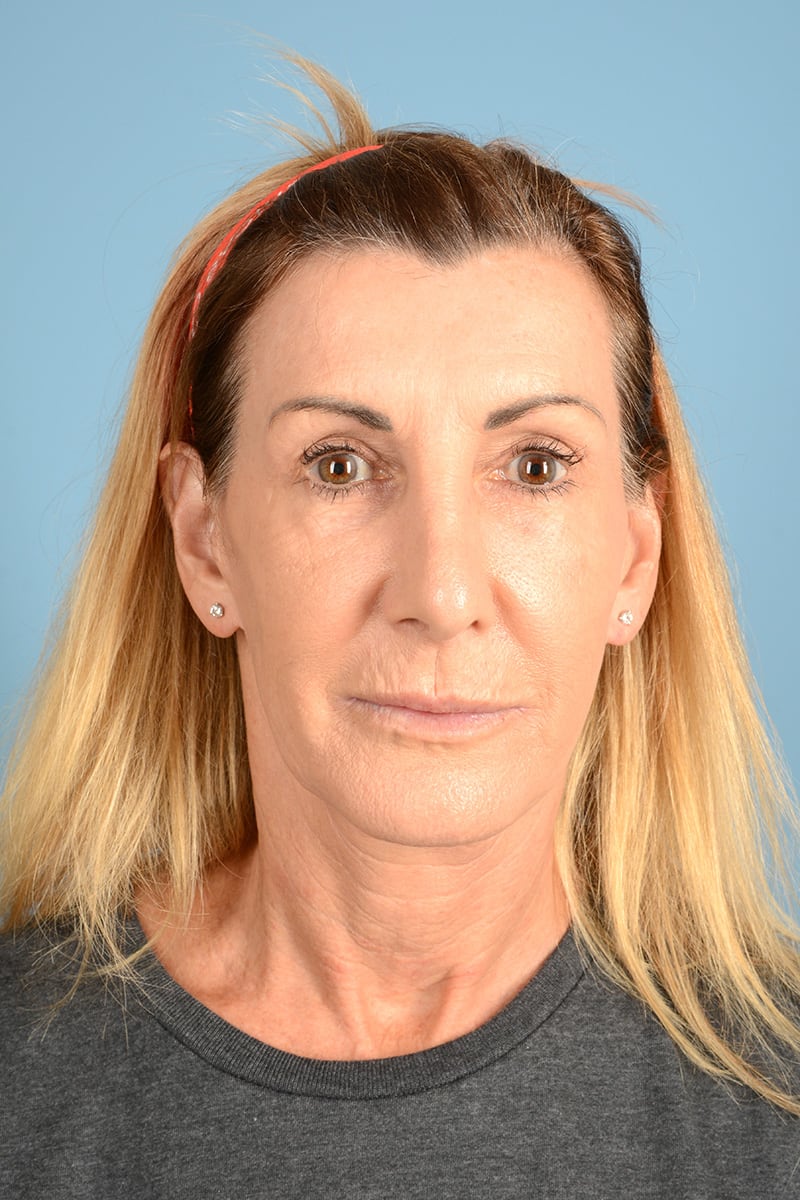
The Gold Standard of Facial Rejuvenation
This cosmetic surgical procedure is used to rejuvenate the face, jawline, and neck by reducing or eliminating the visible signs of aging. This transformative treatment targets a range of age-related concerns, including sagging skin, volume loss in areas like the cheeks and temples, diminished muscle tone, deep wrinkles, fine lines, and loss of definition in the jawline and jowls.
A facelift involves the careful creation of incisions near the ears, temples, and sometimes beneath the chin. These incisions grant access to the underlying facial structures, allowing for meticulous manipulation and repositioning of muscles, tissues, and skin, ultimately resulting in a tighter and more youthful facial appearance.
The Face You Want
Facelift surgery is performed to lift and firm sagging skin and tissues of the mid to lower face and neck. By addressing the deeper structures of the face, Dr. Azar creates results that are both natural and long-lasting. Here are some of the key benefits of facelift surgery:
Facelift surgery is especially effective for women and men in their 40s to 60s, but age alone doesn't determine candidacy. If you’re starting to feel like the face in the mirror doesn’t match the way you feel inside, a facelift might be the right next step.
Restore Balance, Volume & Definition
A facelift is a powerful procedure that helps reverse some of the most visible signs of facial aging. Dr. Azar uses a personalized approach to address different areas of concern, tailoring each facelift to your unique needs and anatomy. Here are some of the most common aesthetic concerns a facelift can improve:
If you're not sure which areas are your biggest concern, Westlake Village facelift surgeon, Dr. Azar will help you understand your options during your consultation. The goal is always to create natural-looking, balanced results—never an overdone or pulled appearance.
Determine if a Facelift is Right for You
Facelift candidacy depends more on your facial anatomy, health, and goals than your age. Typical facelift candidates are in their 40s to 60s or older and have significant and noticeable signs of aging in the face and neck, such as sagging skin, wrinkles, fine lines, jowls, and loss of facial volume.
They should also be in generally good health and should not be dealing with any uncontrolled, chronic issues that could affect the healing process. It's also crucial that potential facelift candidates have realistic expectations about the outcomes of the procedure.
You may be a good facelift candidate if you:
While facelifts are effective in addressing various signs of facial aging, not everyone may be an ideal facelift candidate. A facelift may not be the right fit if you:
A facelift can achieve significant improvements but will not stop the natural aging process, and candidates should understand the limitations of the procedure.
Science Meets Aesthetic Vision
Every facelift performed by Dr. Azar is customized to the individual, but the foundation of the procedure remains the same: restore youthful contours by repositioning and tightening the deeper layers of the face—not just the skin.
The surgery typically takes about three hours, although that can vary depending on the extent of correction and whether other procedures (like eyelid surgery or fat transfer) are performed at the same time.
Dr. Azar usually performs facelifts under general anesthesia, always with a board-certified anesthesiologist present for your safety. However, for select patients, sedation with local anesthesia may be an option. This can be discussed during your consultation, depending on your health, comfort level, and procedure plan.
Dr. Azar carefully lifts and tightens the underlying muscle and connective tissue layers (including the SMAS) to restore a natural, youthful structure. The incisions are discreetly placed—usually hidden within the hairline, around the ear, and sometimes under the chin—depending on what’s needed.
What about scarring? Dr. Azar uses shorter incisions than traditional facelifts. He limits incisions behind the ears and avoids extending along the back hairline, so you can wear your hair up without worrying about visible scars. Precision closure and expert placement ensure scars are as minimal and hidden as possible.
Innovative Methods For Outstanding Results
For long-lasting, natural-looking facelift outcomes, Dr. Azar performs facelift procedures that involve deeper tissues of the face called the SMAS, or superficial musculoaponeurotic system.
The SMAS is a thin layer of connective tissue (fascia) below the skin but above the muscle layer of the face. Dr. Azar performs most facelift procedures using 2 techniques: SMAS advancement uses discreet incisions along the hairline, by the ear, and sometimes under the chin, so there are no telltale scars along the hairline on the back of the neck. Dr. Azar goes to the SMAS and tightens the face's muscle layer, then re-drapes facial skin and removes the excess. There is no pulling on the skin to lift the face, so the result is much more natural-looking. SMAS plication involves drawing up and “folding” the natural muscle layer of the face that has drooped into the jowl.
This produces a nice, full cheekbone and eliminates the jowl, all without disturbing the facial nerves or lymphatic vessels beneath the SMAS. This technique produces a beautiful, long-lasting facelift result and a quicker, more comfortable recovery.
There is no single facelift technique that is right for everyone. Dr. Azar will select the approach that best fits your anatomy and goals.
| Facelift Technique | Primary Focus | When It May Be Recommended |
| Standard SMAS Facelift | Lower face, jowls, jawline, and neck | A SMAS facelift may be appropriate when the deeper support layer has descended and the lower face needs broader correction. Dr. Azar may reposition the SMAS through advancement or plication before gently redraping the skin. |
| Deep Plane Facelift | Midface, lower face, jawline, and neck | A deep plane facelift releases and repositions deeper facial tissues together. It may be considered when aging affects several connected areas of the face and neck. |
| Mid Facelift | Cheeks and central face | A mid facelift focuses more specifically on restoring cheek position and fullness. It may be an option when cheek descent is the main concern and the lower face or neck does not require the same degree of correction. |
These techniques each address facial aging differently. During your facelift consultation, Dr. Azar will explain which tissues need to be repositioned and why he recommends a particular approach.
Patients who have undergone previous facelift surgery have different anatomical and surgical considerations. Scar tissue, prior incisions, and changes caused by the first operation can make another procedure more complex. Dr. Azar offers facelift revision surgery to improve or refresh earlier results while accounting for these changes.
Complete Your Rejuvenation
A facelift focuses on the lower two-thirds of the face; however, the aging process usually affects the upper face and neck as well. To provide a comprehensive facial rejuvenation, Westlake Village facelift provider, Dr. Azar creates a personalized treatment plan that combines facelift surgery with one or more of the following procedures:
The right combination depends on what you want to improve. Some patients benefit from a facelift alone, while others receive a more complete result by addressing the eyes, brow, neck, or facial volume during the same surgical plan.
As a specialist in facial plastic surgery, Dr. Azar’s goal is to help you look years younger and naturally rejuvenated.
Every face is different, so naturally, every facelift is different. Our goal is to ensure that you receive a totally personalized treatment plan so we can address your unique needs and achieve the best possible results.
During your consultation for a facelift Thousand Oaks plastic surgeon, Dr. Azar, will examine your face, neck, and skin, discuss your health history, and address any questions or concerns you may have. If you decide together that a facelift is ideal for you, we will create a comprehensive treatment plan.
To prepare for a facelift Westlake Village patients will need to avoid blood thinning medications as well as some supplements for a period of time, eat healthy and stay hydrated, and quit smoking.
Facelift Recovery
Most patients are pleasantly surprised by how manageable facelift recovery is when performed with expert technique. Here’s what to expect after your procedure:
You’ll go home the same day as your surgery with detailed instructions and support. You’ll likely experience some swelling and bruising, especially in the first few days, but these typically begin to fade quickly.
Most patients feel comfortable enough to go out in public, with some light cover-up, within about a week. You may not be ready for all social events right away, but you’ll likely feel back to yourself and ready to return to work in 10 to 14 days.
As with any surgery, there are risks. However, Dr. Azar’s advanced specialty training in facial nerve and muscle surgery gives him a unique level of precision and experience in avoiding complications like facial nerve injury.
Dr. Azar and his team will see you for follow-up appointments to monitor your progress, answer questions, and guide you through your recovery. Patient comfort, safety, and satisfaction are the top priorities every step of the way.
A facelift typically takes about 3 hours, depending on the condition of your skin, your desired results, and whether or not your facelift procedure is being combined with other plastic surgery procedures.
What Your New Look Will Reveal
You’ll start to notice improvement soon after surgery as swelling subsides, but final results take shape gradually over a few weeks.
Most of the swelling resolves by the 2- to 3-week mark. At this point, you’ll see smoother contours, a lifted jawline, and more youthful cheek volume. The incisions will continue to heal and fade with time.
Facelift results typically last 10 years or more, depending on your skin quality, age, and lifestyle. While nothing can stop the natural aging process, your face will always look more refreshed than if you hadn’t had surgery.
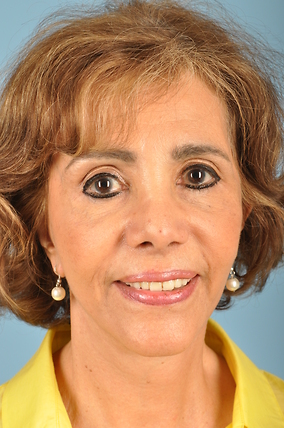
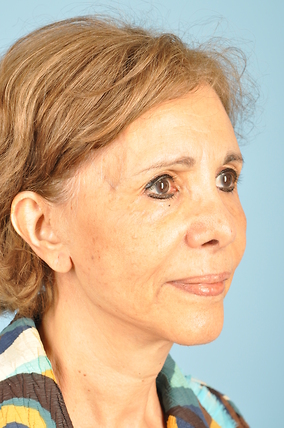
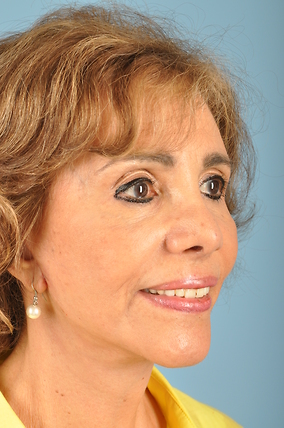
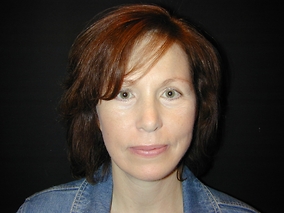
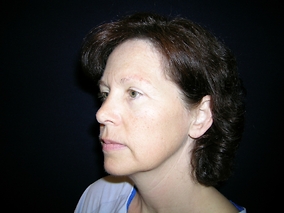
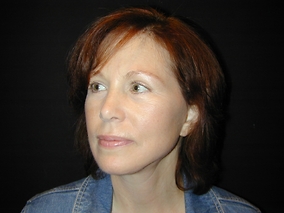
Dr. Azar's approach is about restoring—not changing—your appearance. His focus is on natural-looking results that reflect how you feel on the inside, without that “pulled” or overdone look.
Dr. Kouros Azar
A board-certified plastic surgeon, Dr. Azar develops innovative surgical techniques and is dedicated to providing exceptional outcomes.
Dr. Kouros Azar is a board-certified plastic and reconstructive surgeon who has provided plastic surgery care in Thousand Oaks for more than two decades. He completed a general surgery residency at the University of Arizona followed by a fellowship in plastic and reconstructive surgery at the University of Utah. His experience includes aesthetic surgery, complex reconstruction, and difficult revision procedures.
Dr. Azar also holds a degree in biomedical and electrical engineering. Early in his career, he helped design technology for phrenic nerve pacing that was later used to help Christopher Reeve breathe without a ventilator. He has received multiple honors from the Institute of Electrical and Electronics Engineers and has served as a consultant or speaker for medical and aesthetic companies including Allergan, Mentor, Cutera, and Cynosure. His work and expertise have also been featured in NewBeauty, Los Angeles Magazine, and other publications.
Dr. Azar uses his background as an “engineer” every day, applying that innovative mentality to each surgical procedure. Rather than simply performing the traditional facelift, lifting and tightening facial tissue, he restructures the muscle and then gently re-drapes the skin for a very natural look. His goal is to make sure his facelift patients never look tight, pulled or "worked on."
Safety remains central to every surgical plan. Dr. Azar operates in accredited hospitals and surgical facilities and works with board-certified physician anesthesiologists. From the first consultation through postoperative care, every decision is made around the patient’s anatomy, health, comfort, and desired result.
Azar Plastic Surgery and Med Spa
A board-certified plastic surgeon, Dr. Azar develops innovative surgical techniques and is dedicated to providing exceptional outcomes.
Because this procedure is customized to each patient's needs, the cost of a facelift can vary significantly from patient to patient and is influenced by various other factors. The extent of facial and neck aging, the surgical technique, anesthesia, facility fees, and the amount of time required in the operating room all contribute to the final cost.
A standard SMAS facelift, deep plane facelift, and mid facelift address different anatomical concerns and may involve different levels of surgical complexity. Cost can also change when facelift surgery is combined with a neck lift, eyelid surgery, brow lift, or facial fat grafting. Revision surgery may require additional planning because the surgeon must work with existing scars and changes from the previous operation.
After examining your face and discussing your goals, Dr. Azar will recommend an appropriate surgical plan and provide a personalized cost estimate. Financing options are available for qualified patients.
The cheeks tend to flatten with age. Take a look at your high school yearbook picture and notice your cheeks. Chances are you will see you had very prominent, round cheeks – they were rounded like a golf ball and pinchable. By age 45, many women’s cheeks look more like a flattened egg. A teenager’s cheeks have a reflection of light that reveals youthful beauty.
“I perform what’s called a SMAS advancement. The SMAS, or superficial musculoaponeurotic system, is the covering below the skin, but above the muscle layer of the face. When I do a facelift, I go below the SMAS and tighten the face’s muscle layer. Then I simply re-drape the facial skin and remove the excess skin. I’m not pulling on the skin to lift the face. I’m restructuring the muscle and then gently re-draping the skin for a very natural look – not the ‘windswept’ look of old-fashioned facelifts. People tell my facelift patients that they look rested, like they’ve just been on a Caribbean cruise. Nobody can really tell they’ve had surgery.”
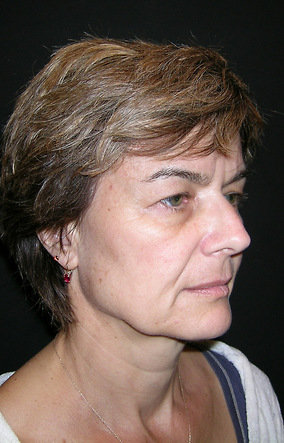
“The Endotine device, developed by Coapt Systems reduces the need for stitches and improves the accuracy and simplicity of brow lift and eyelid lift procedures.”
“No – and for good reason. Mini facelifts, which are marketed under several different names, including the S-lift (for the shape of the incision) and the thread lift, among others, are very market-driven. I think patients should be cautious about these minimally invasive techniques. A very small number of women – perhaps 5% – can get a lasting benefit from a mini-facelift. But most women who have a mini-facelift are likely to be back where they started in 2 or 3 years. A full facelift provides a much longer-lasting result.”
“Yes, I do use injectable dermal fillers with the facelift. When I do a facelift, I almost always inject the nasolabial folds – the creases that run from the nose to the corners of the mouth. Sometimes I inject what’s called the “tear trough” – the area underneath the eyelids. A lot of people end up with grooves underneath the lower eyelids, so that can easily be injected at the same time as the facelift. The cheekbones can be accentuated with filler as well.”
“I borrow a little bit of fascia, which is like a big connective tissue layer on the temporal area, and graft it into the nasolabial folds under the skin. We always try to use your own tissues when we can.”
While most patients experience some mild discomfort, tenderness, or a tight sensation, most do not have considerable pain with a facelift.
Like any surgery, facelift comes with possible risks, including bleeding, infection, or swelling. More serious but rare risks include anesthesia complications or injury to the facial nerves.
A facelift typically lasts around 10-15 years, depending on the patient and the technique used. However, it is not considered permanent since it will not stop signs of aging from occurring in the future.
Most facelift results last 10 years or more. While your face will continue to age naturally, you'll always look younger than if you hadn't had the procedure. Lifestyle choices, skincare, and genetics also play a role in how long the results last.
Yes, a neck lift surgery is often part of a traditional facelift. Dr. Azar routinely addresses both the face and neck together for a seamless, natural-looking result. In more advanced cases, a separate neck procedure may be recommended for best results.
No, a facelift does not affect the Adam's apple. If you're concerned about the appearance of your neck or jawline, Dr. Azar can recommend the most appropriate procedure to improve those areas while leaving the Adam's apple untouched.
A non-surgical facelift uses treatments like injectable fillers, Botox®, or skin tightening devices (such as radiofrequency or ultrasound-based therapies) to rejuvenate the face without surgery. While helpful for early signs of aging, these treatments can't match the lifting and reshaping power of a surgical facelift.
There's no "perfect" age—it's more about your individual anatomy and goals. Most facelift patients are in their 40s to 60s, but younger or older patients may also benefit. The best time is when signs of aging start to bother you and non-surgical treatments are no longer giving you the results you want.
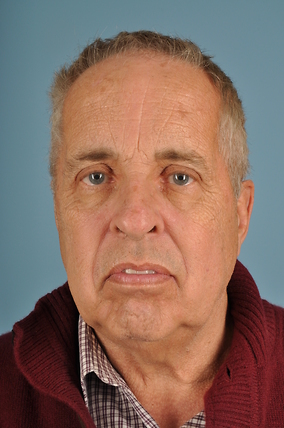
A "ponytail facelift" is a term often used online to describe a minimally invasive lift that targets the upper face, aiming for that pulled-back look you get when your hair is tied tight. Dr. Azar can recreate a lifted, refreshed appearance with custom facelift techniques tailored to your features.
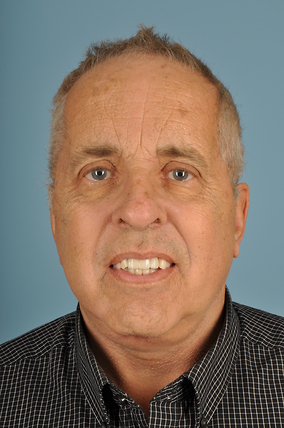
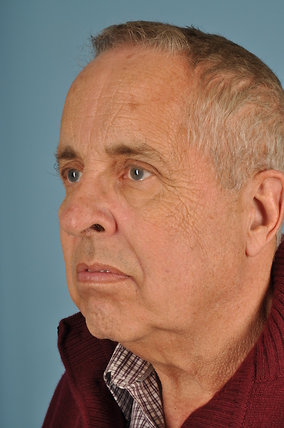
A facelift is a broad category of surgery used to reposition sagging facial tissues and improve the jawline, lower face, and neck. A deep plane facelift is one specific technique that releases and repositions tissues beneath the SMAS layer. Dr. Azar also performs SMAS advancement and plication, depending on the patient’s anatomy.
Many Thousand Oaks Facelift patients with desk-based jobs return to work in about 10 to 14 days. Swelling and bruising are usually most noticeable during the first week and continue to improve during the second. Patients with physically demanding jobs may need more time before returning. Dr. Azar will provide instructions based on your procedure and how your recovery is progressing.
A mid facelift concentrates on the cheeks and central face. It can restore cheek position and soften the flattened appearance that develops as midfacial tissues descend. A full facelift treats a broader area, typically including the lower face, jowls, jawline, and neck. The right choice depends on where your facial aging is most noticeable.
Radiant Results
Dr. Kouros Azar, founder and medical director of Azar Plastic Surgery and Med Spa, is an attentive listener, a devoted surgeon and doctor, and a highly-skilled biomedical engineer. He matches his patients with the best possible treatments by drawing on his extensive expertise, compassion, and research skills. Make an appointment with Dr. Azar now to discuss your rejuvenation options.