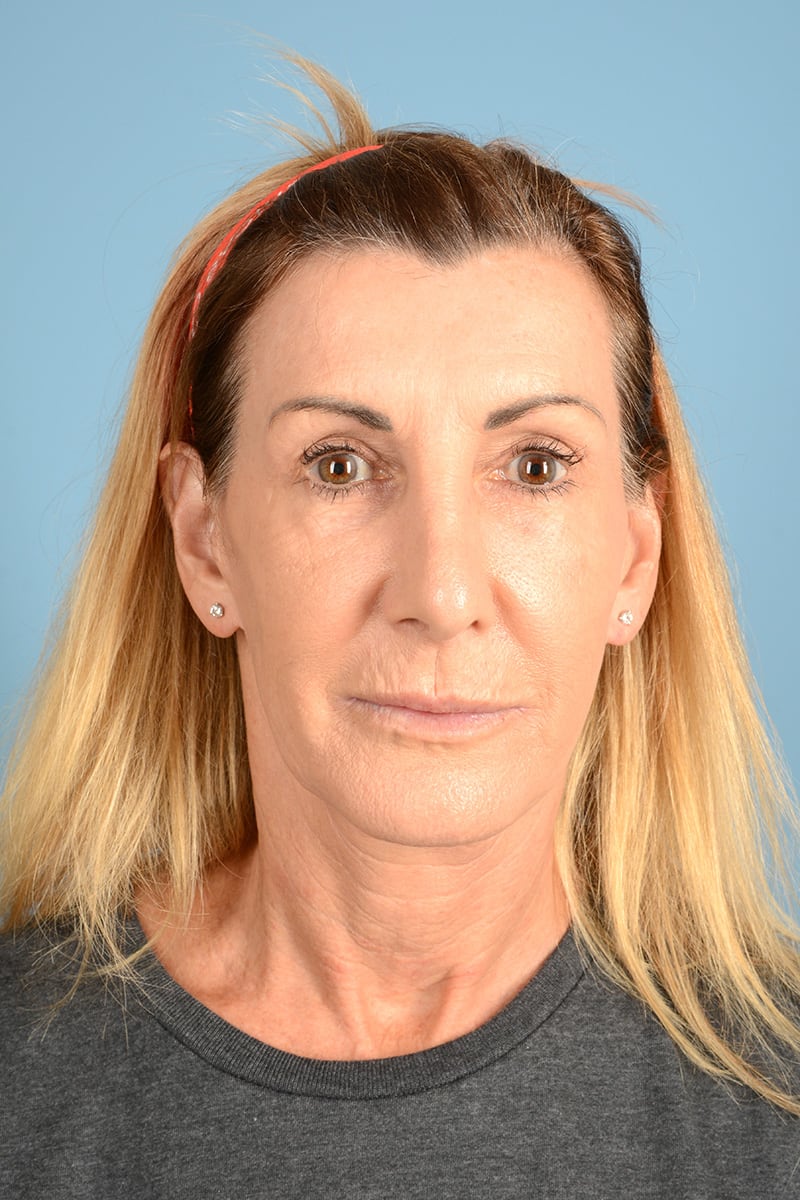
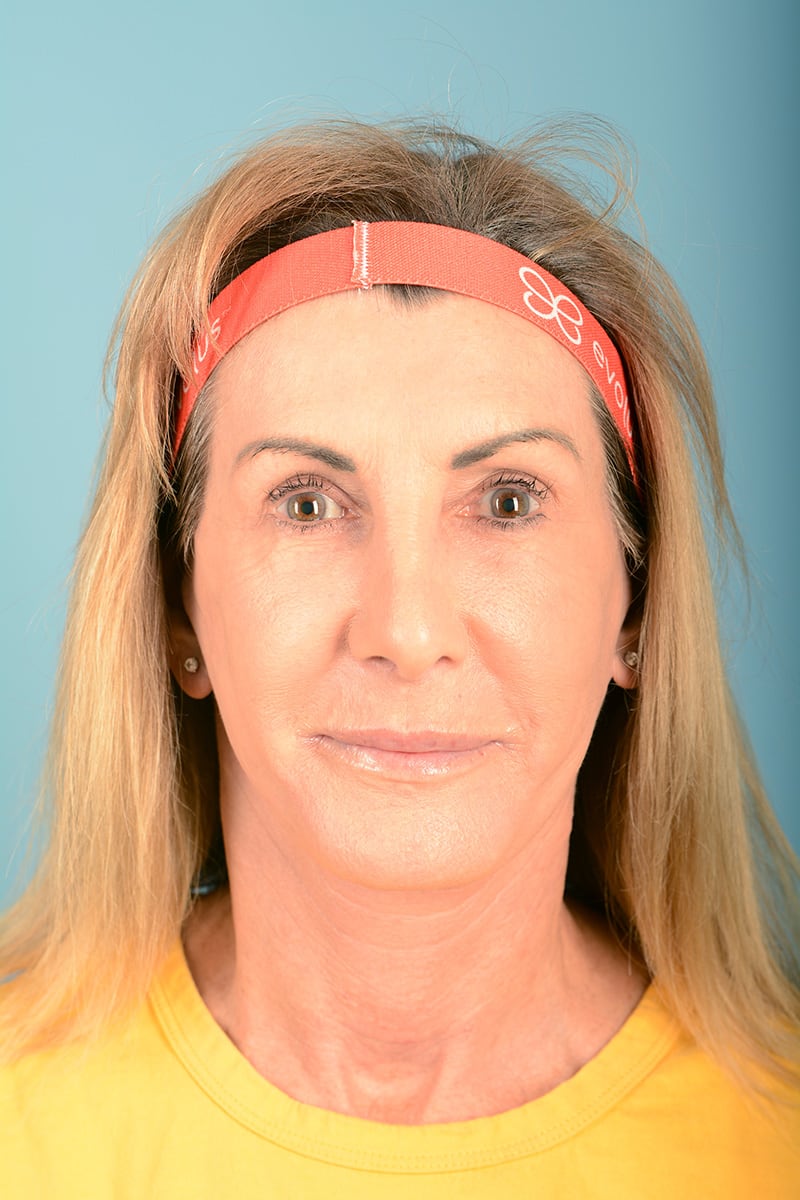
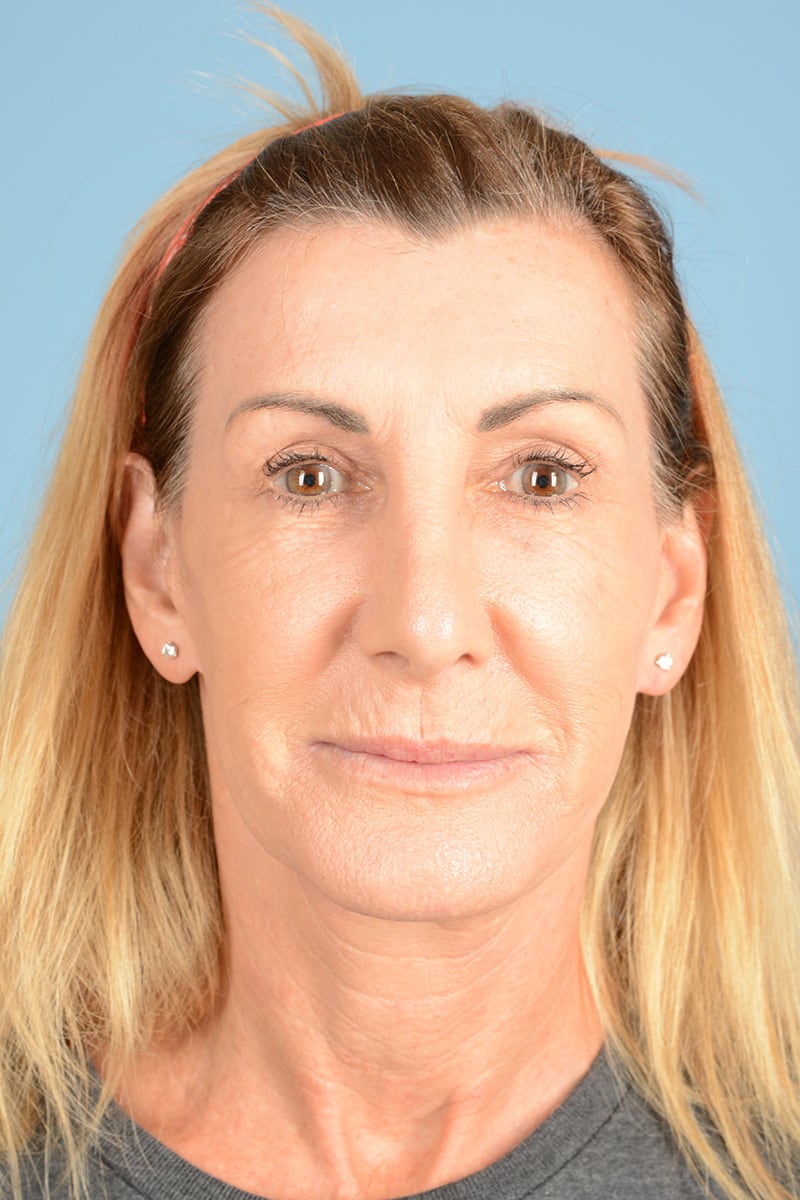
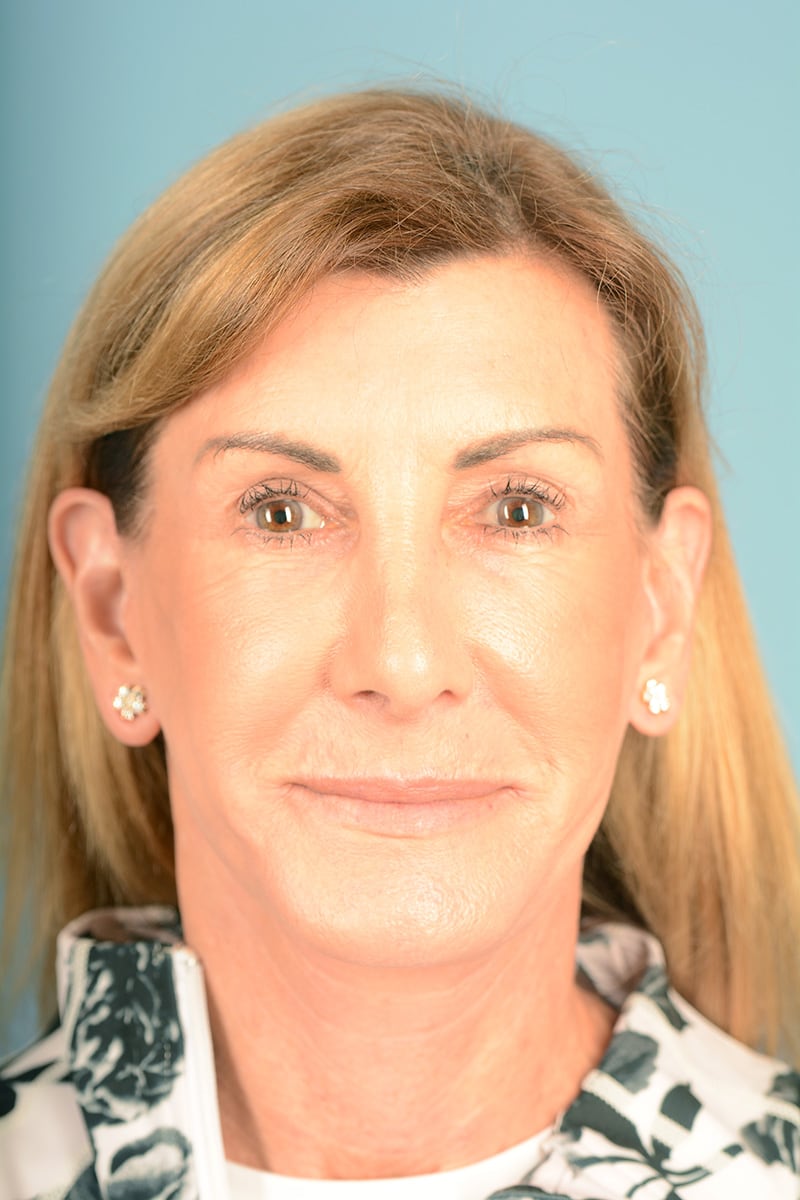
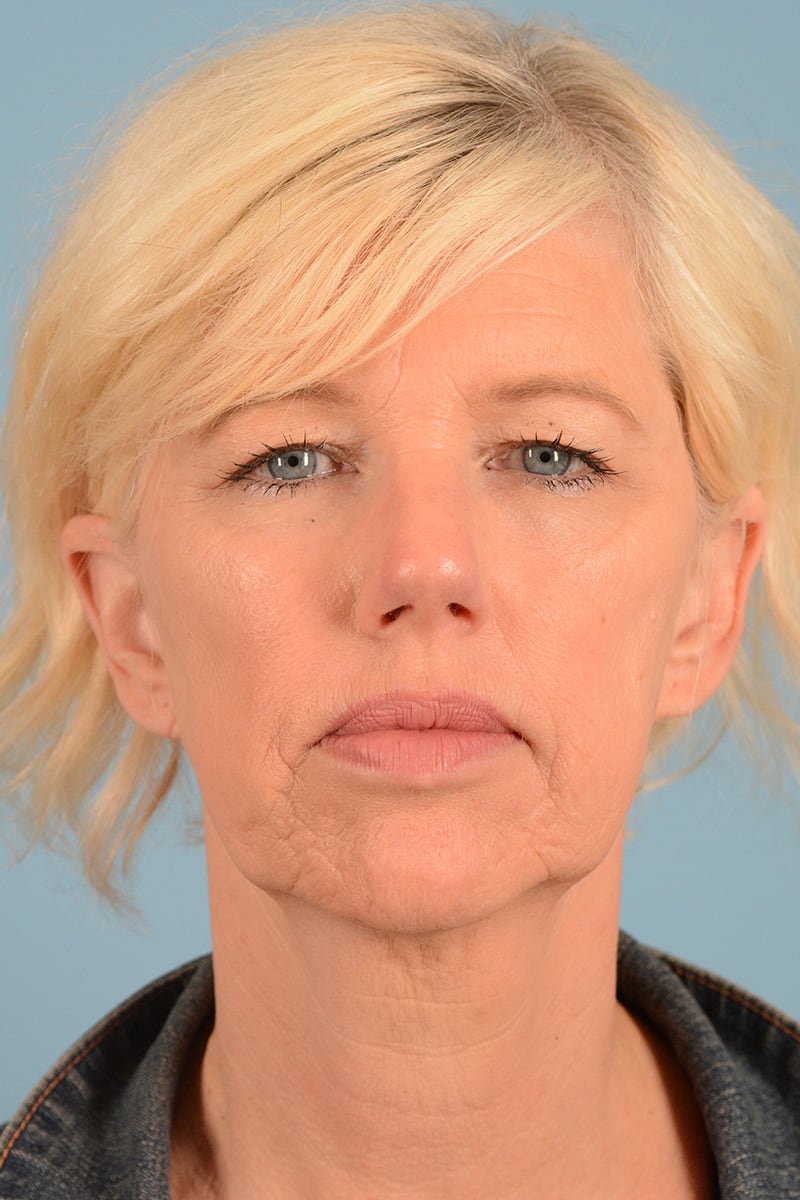
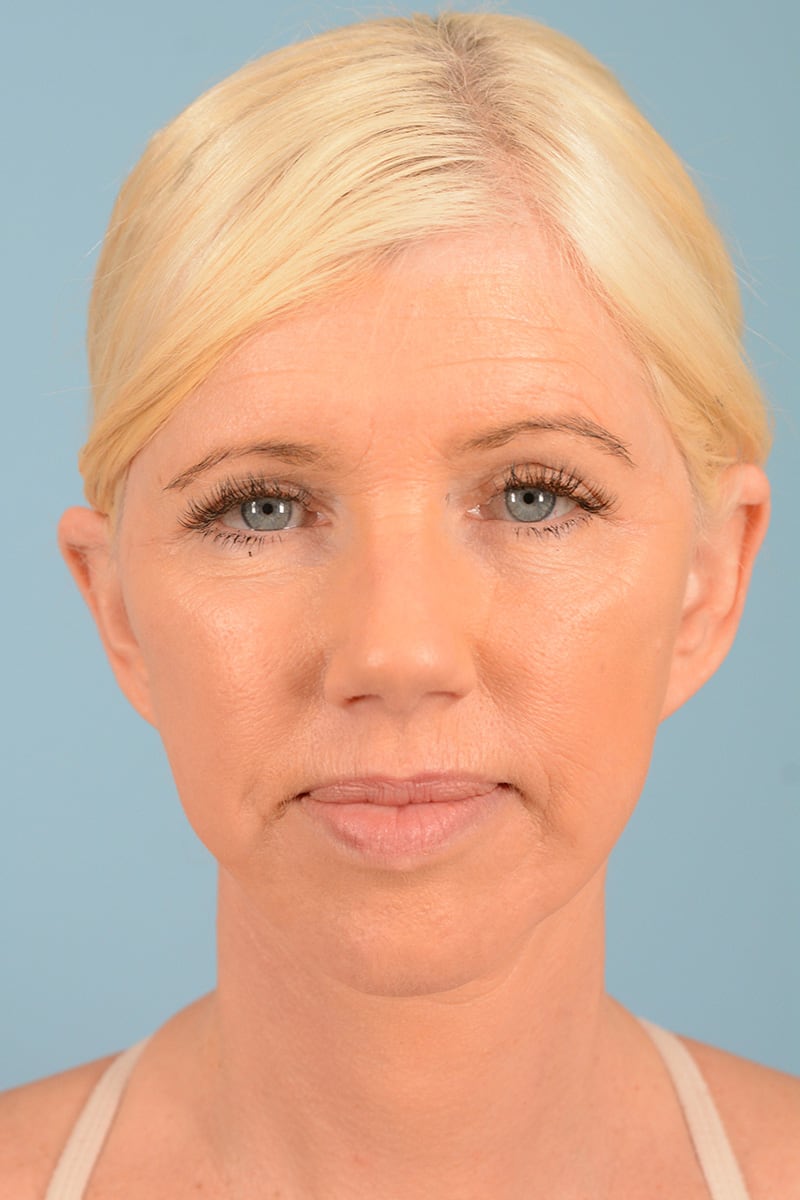
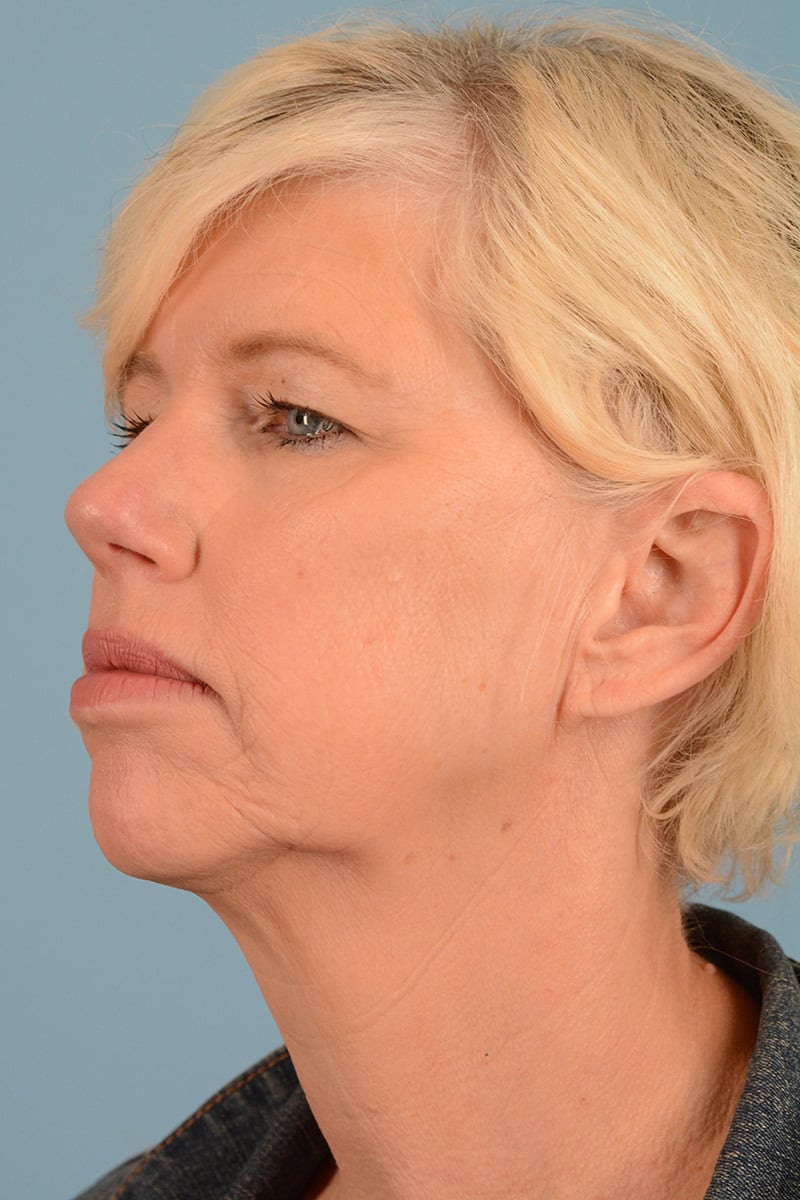
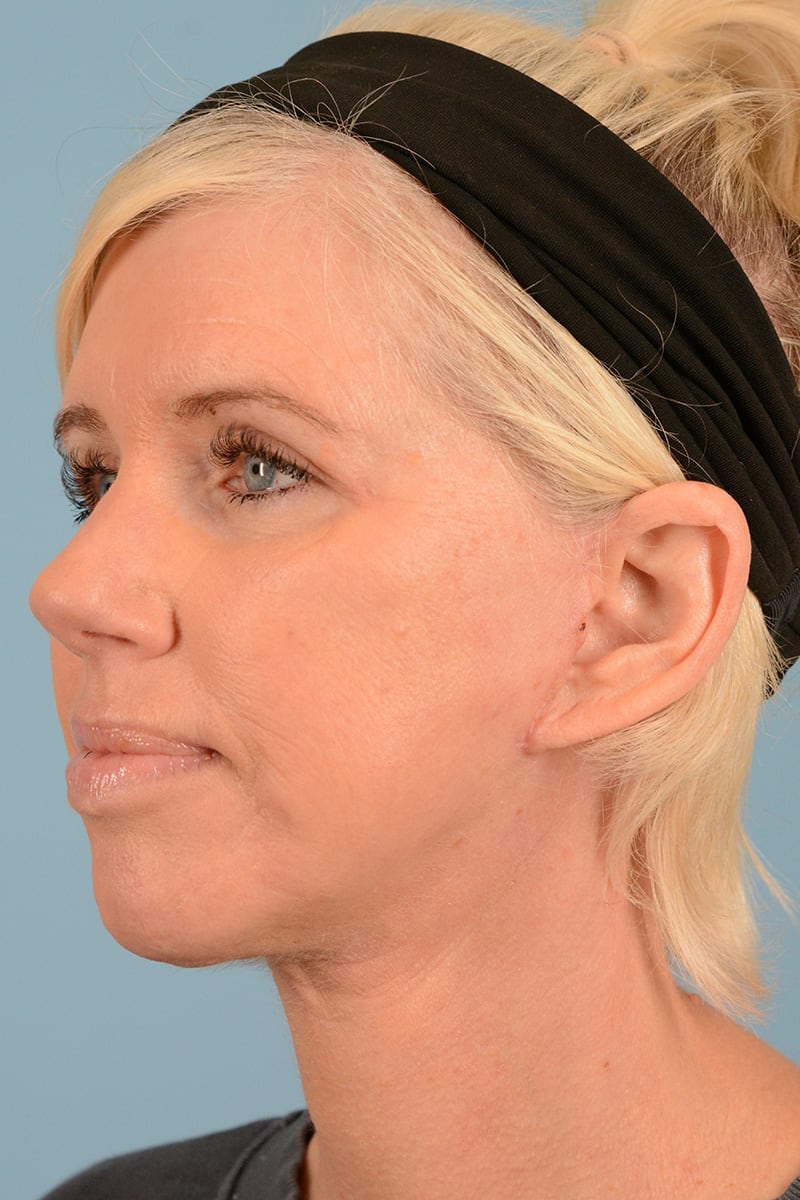
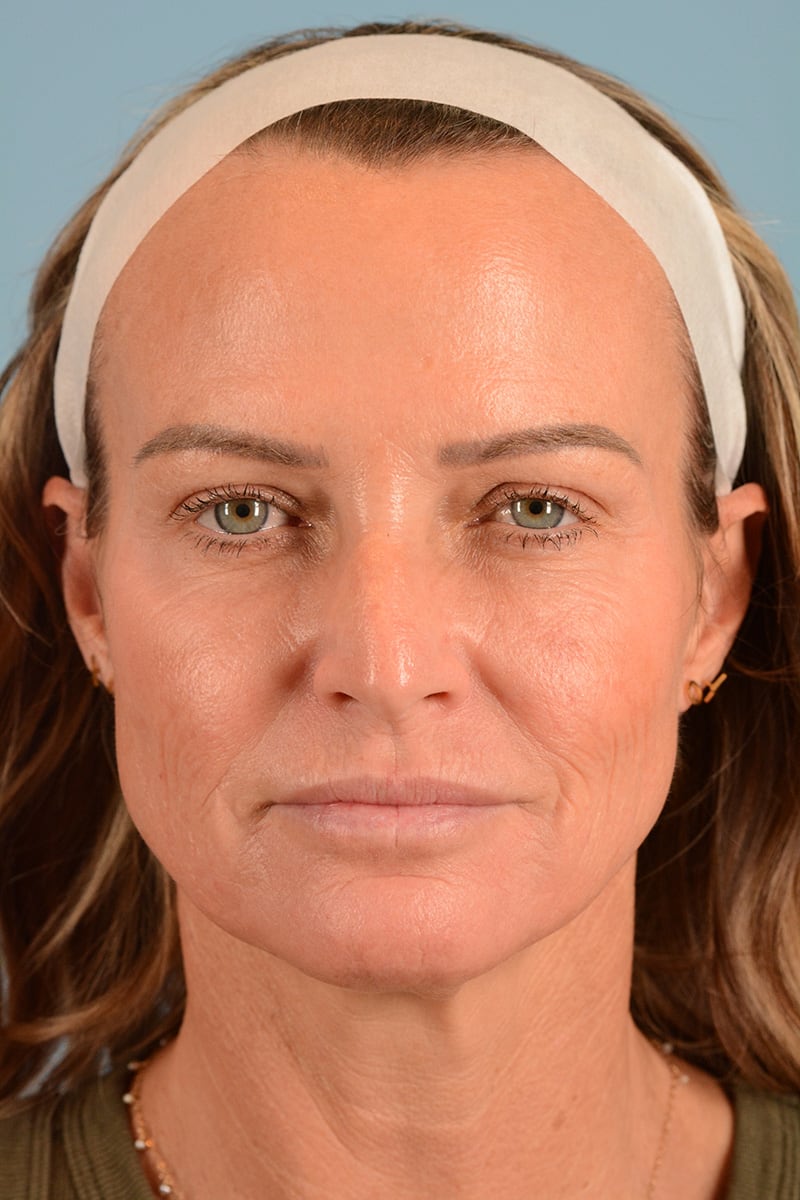
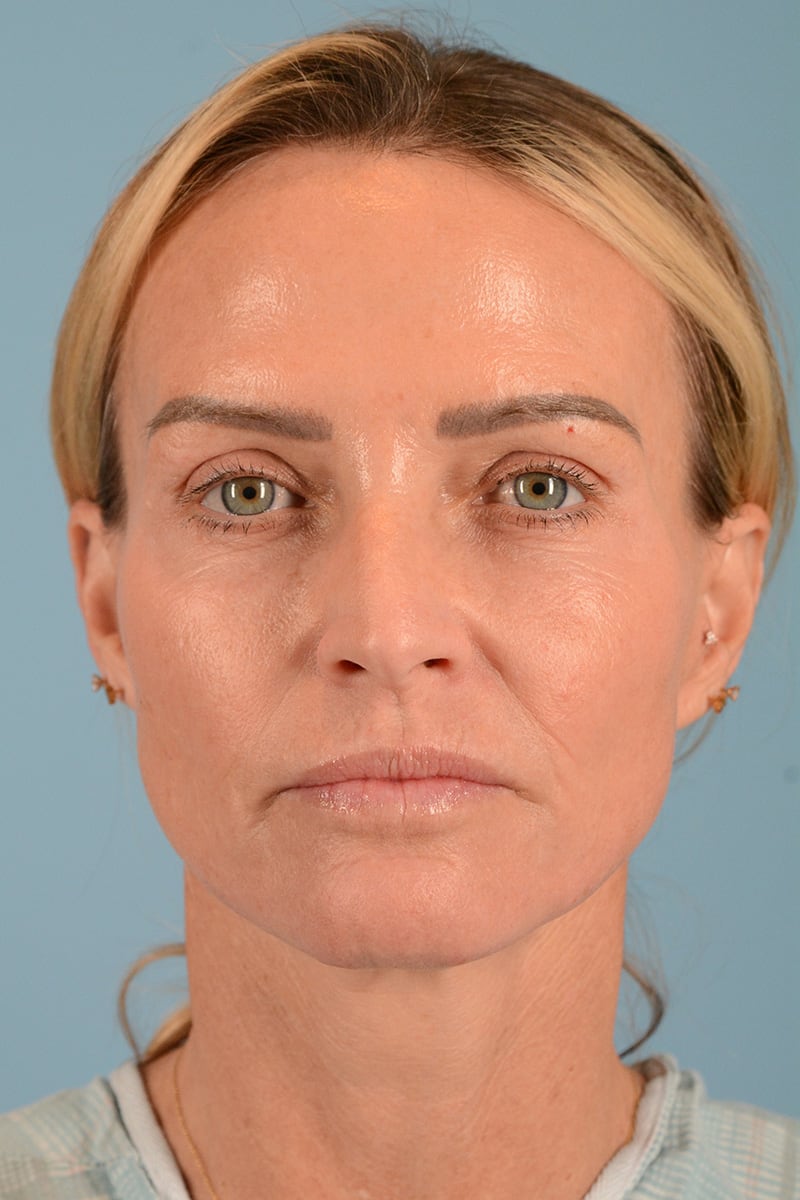
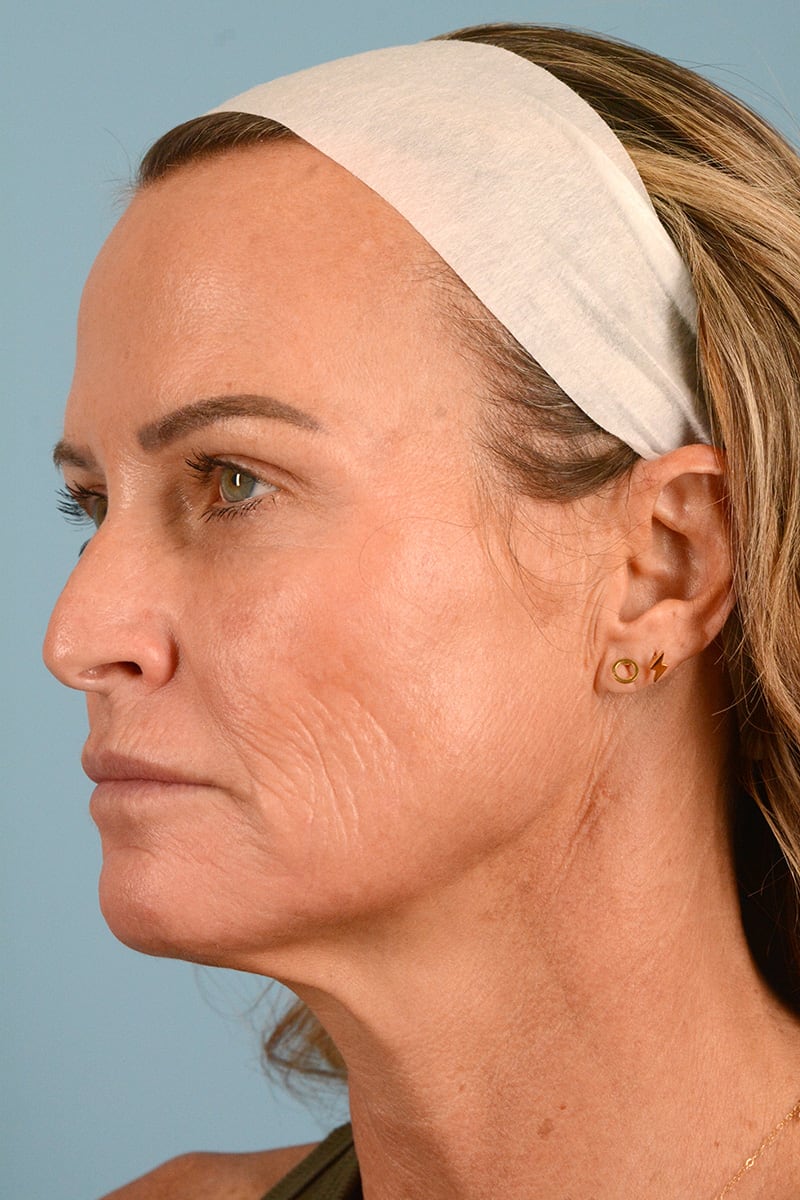
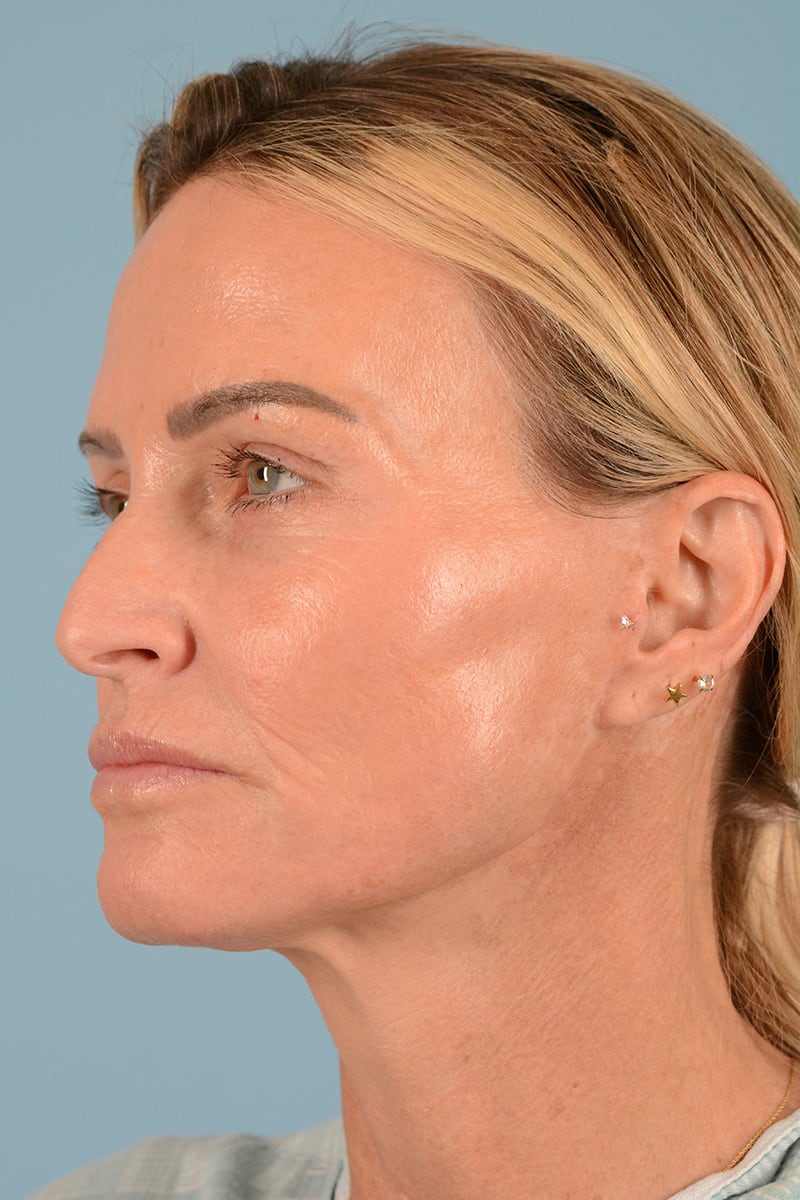
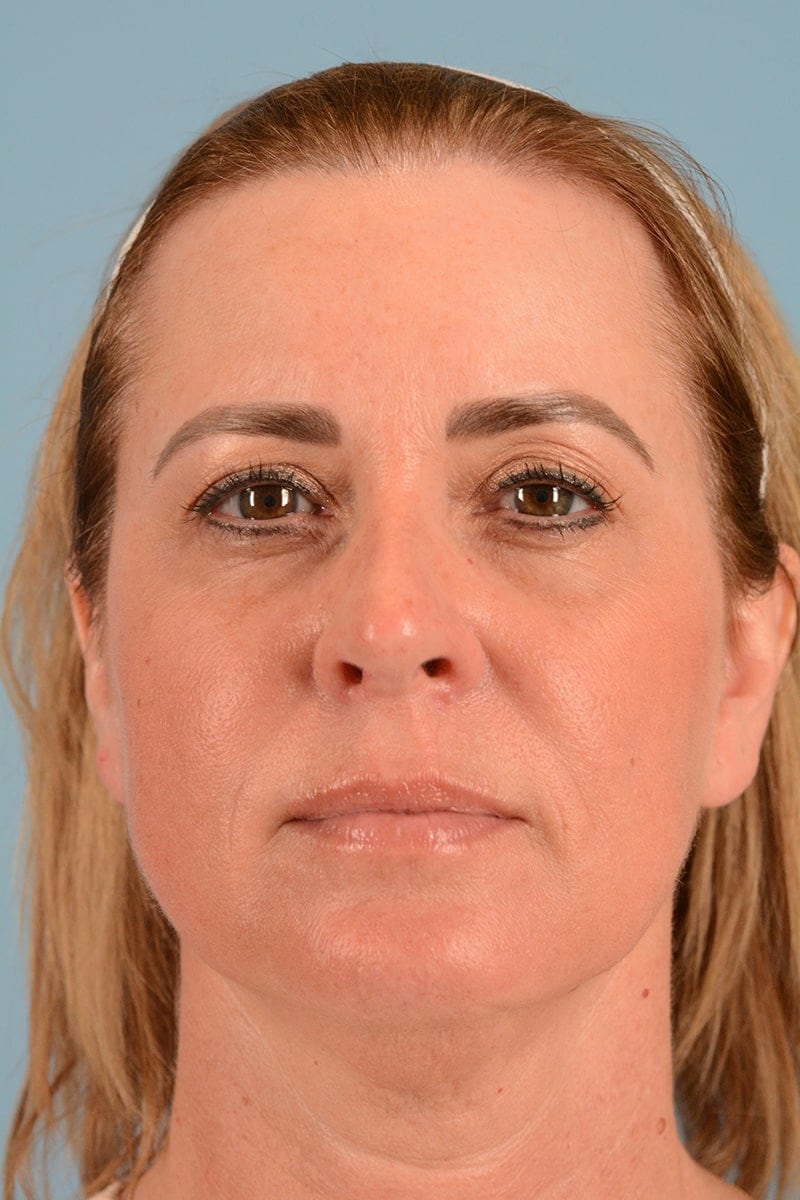
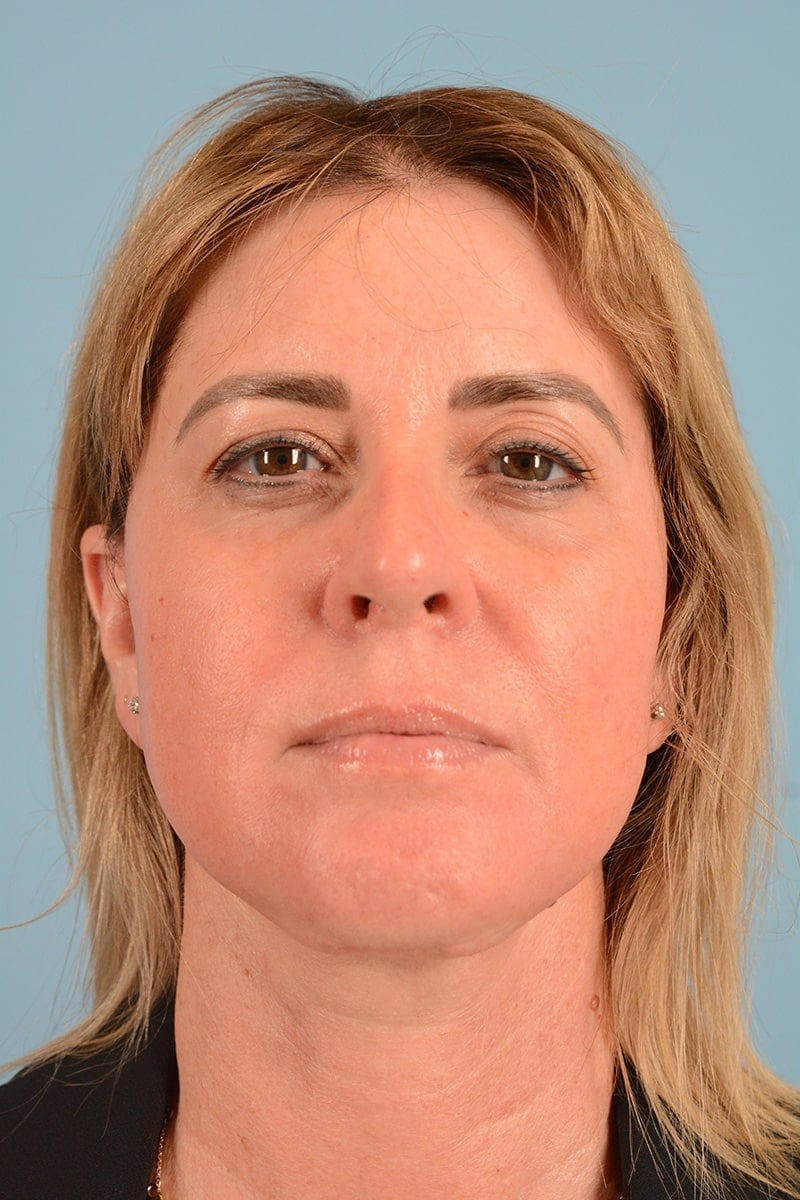
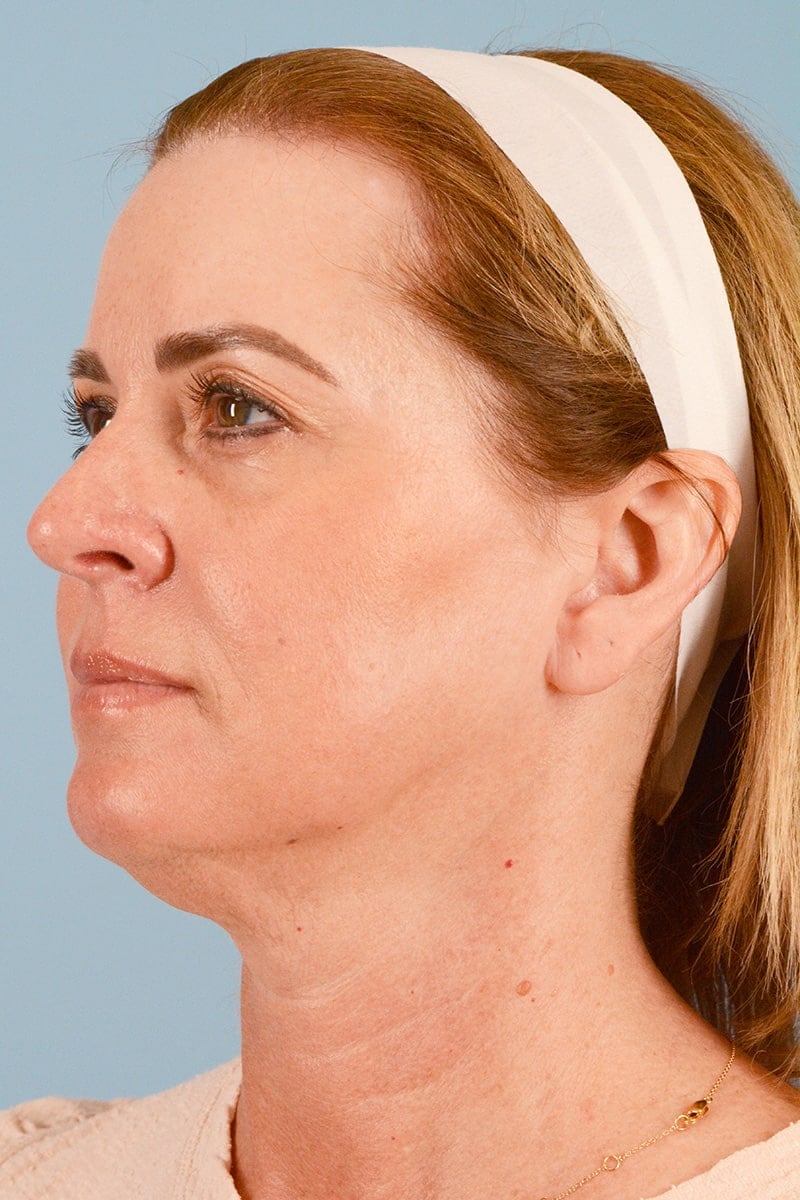
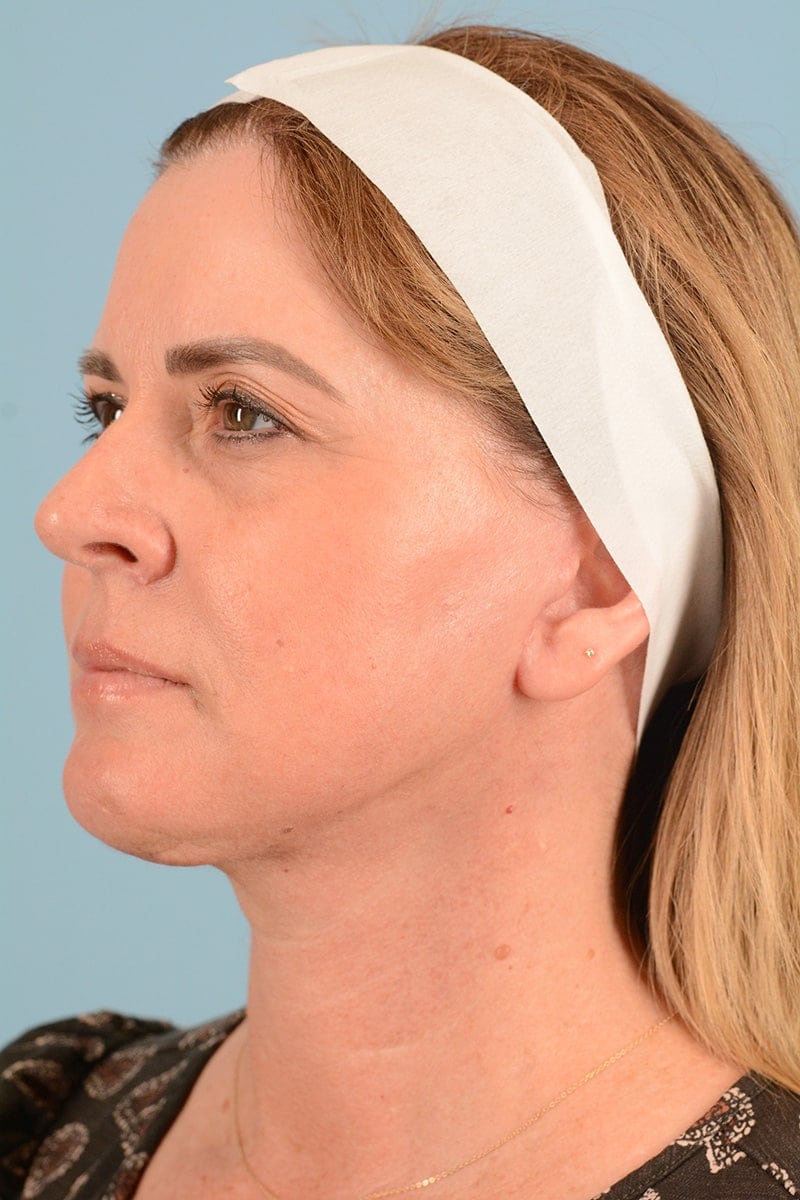
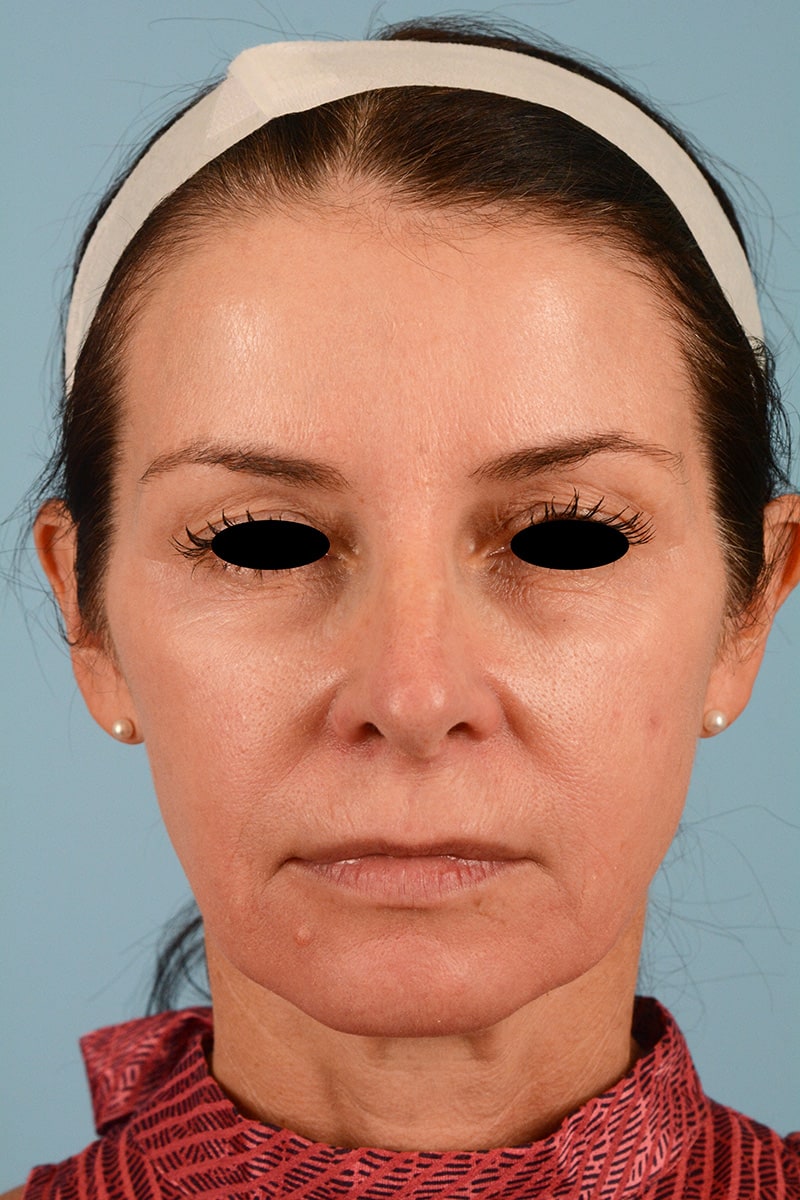
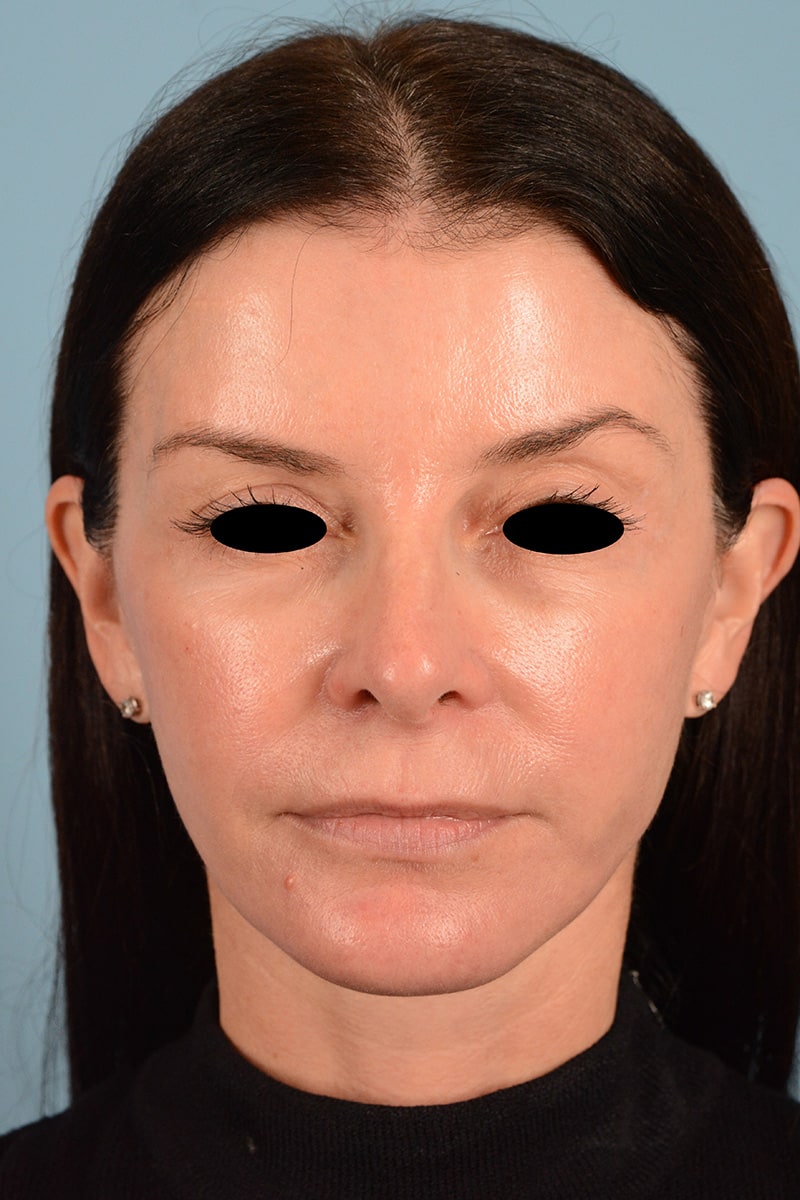
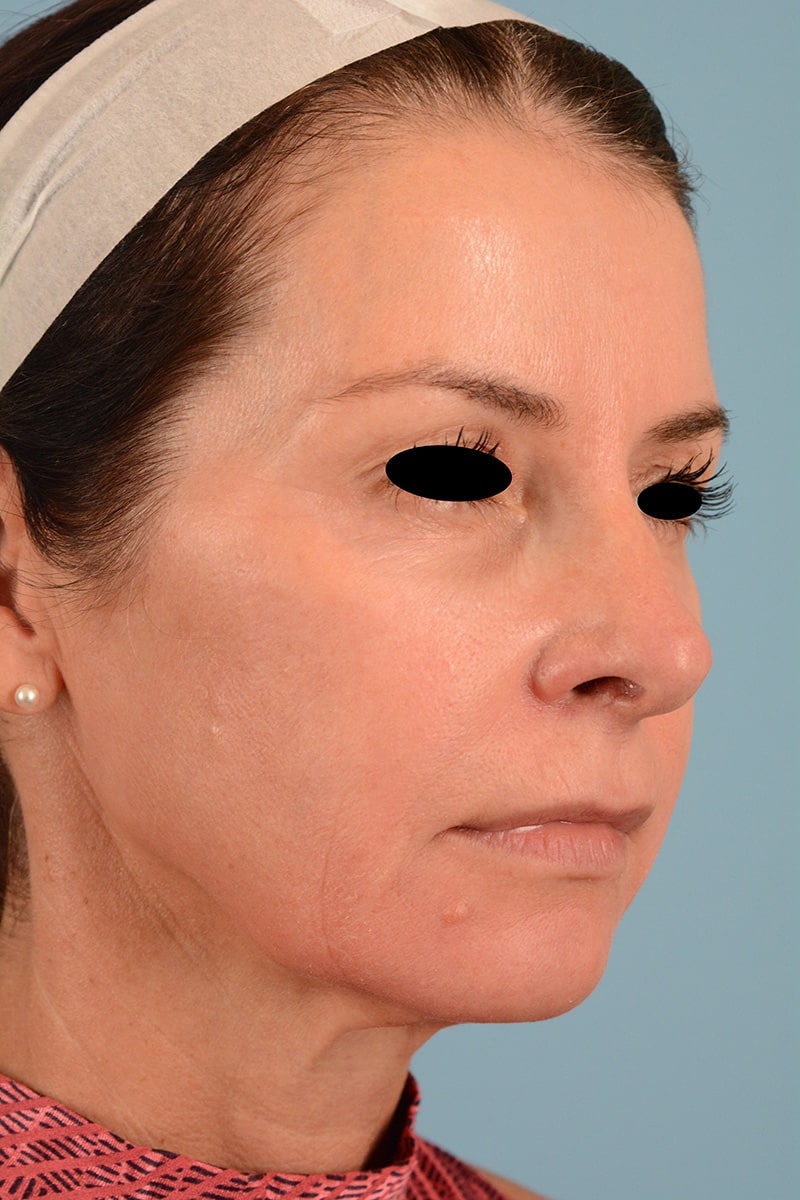
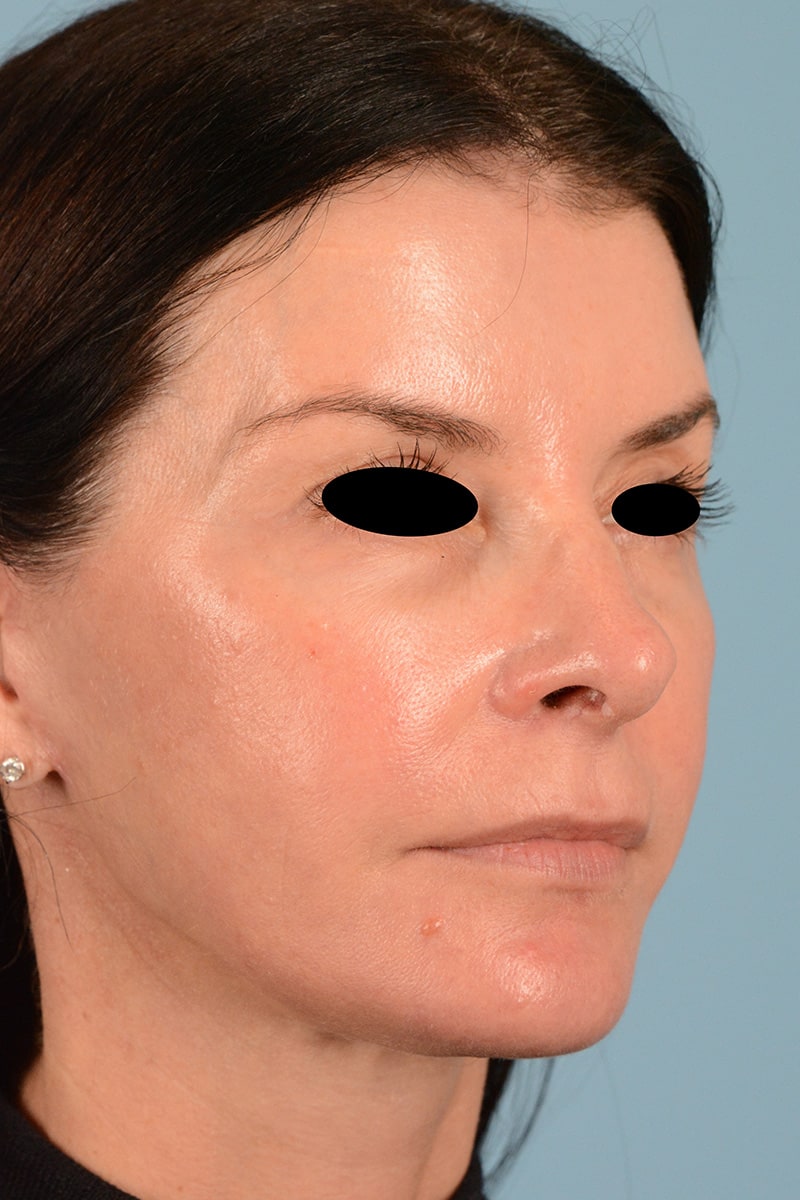
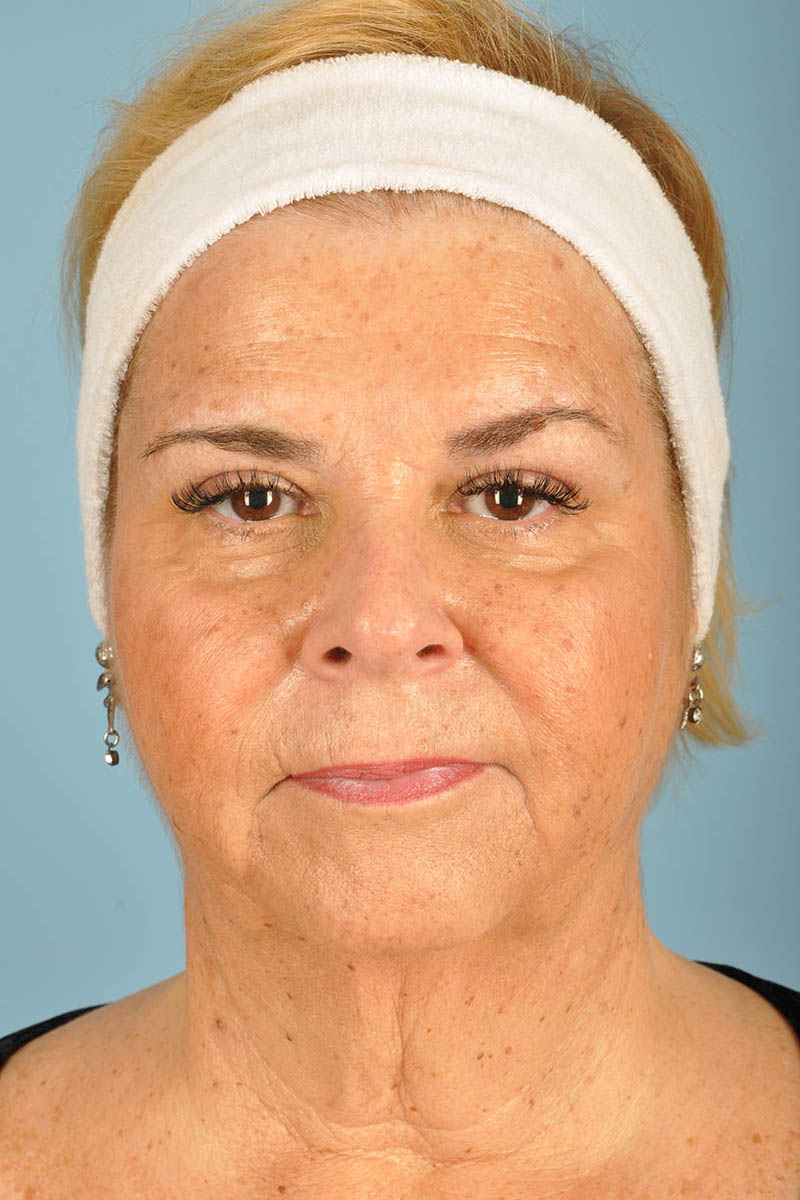
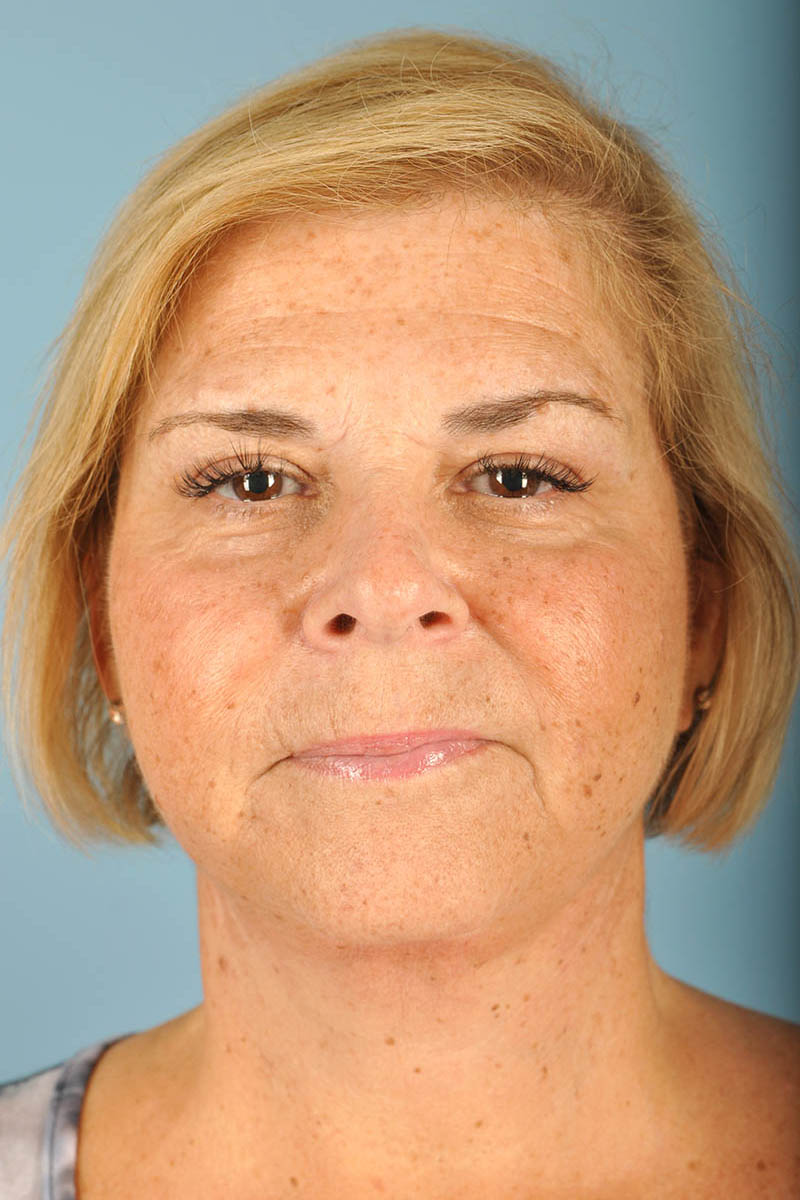
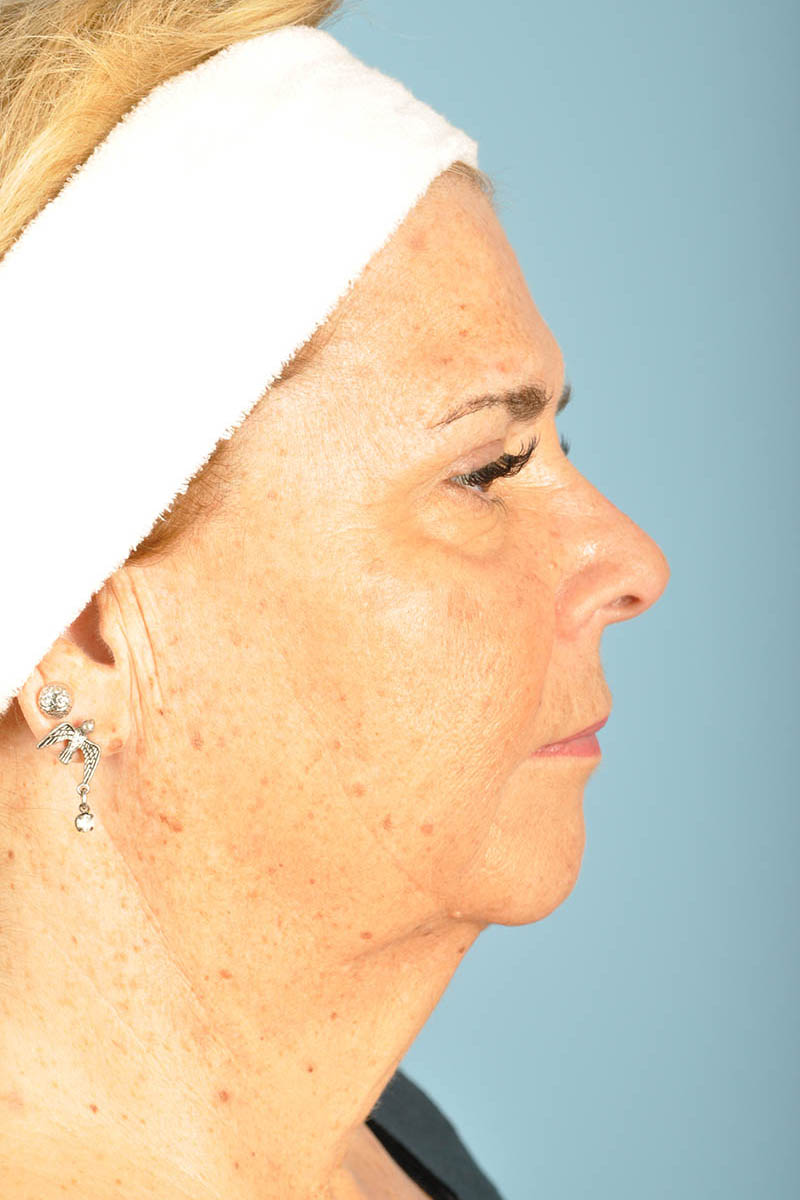
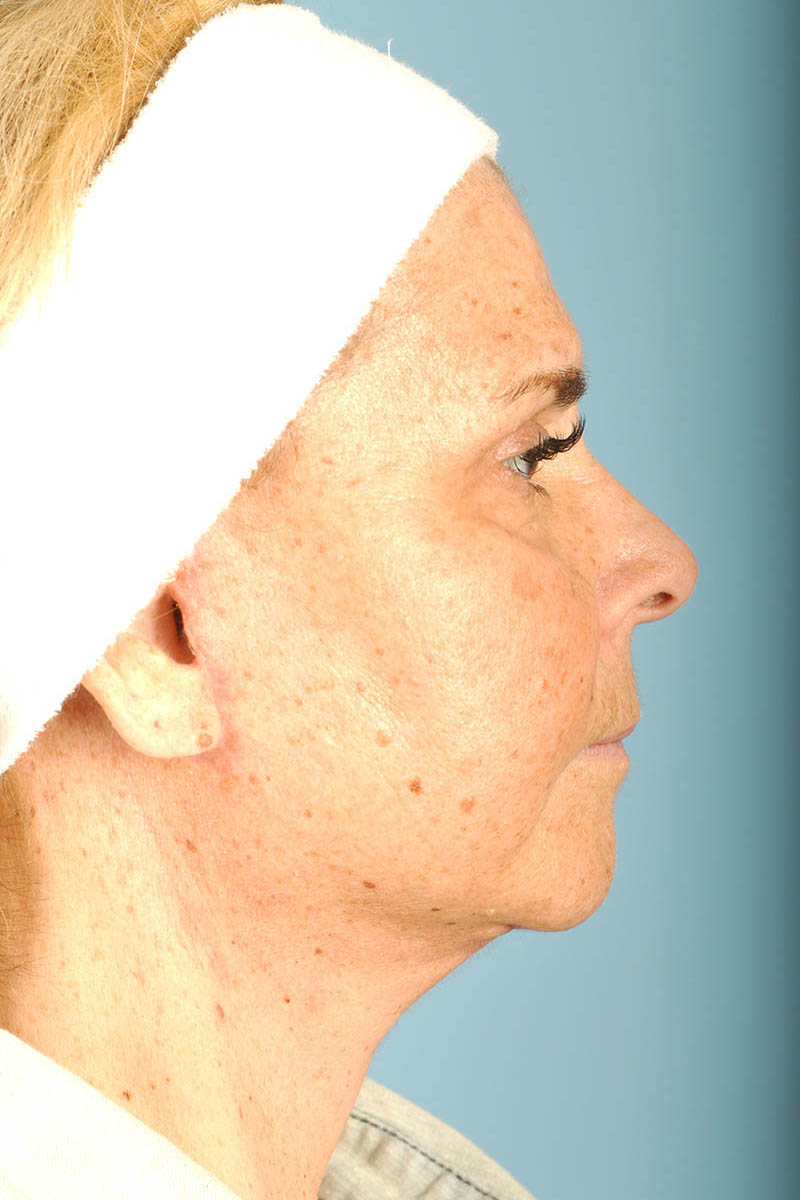
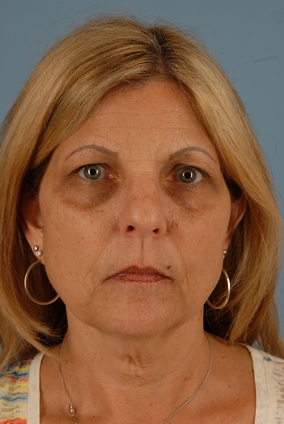
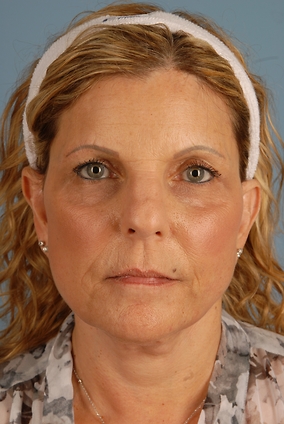
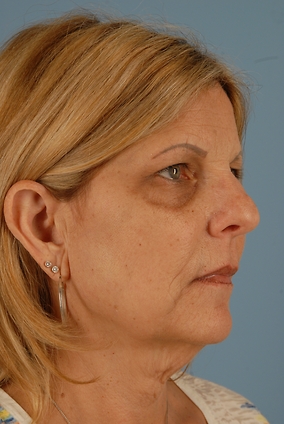
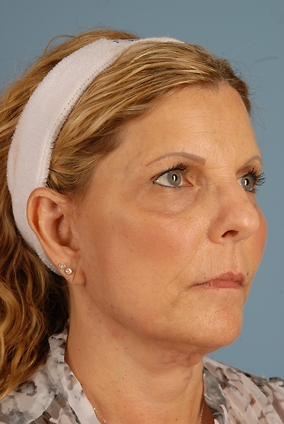
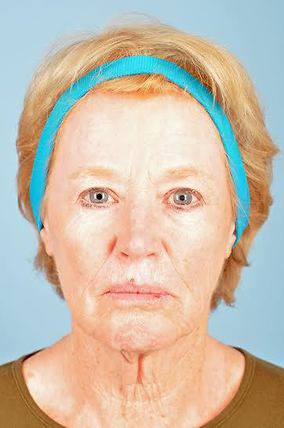
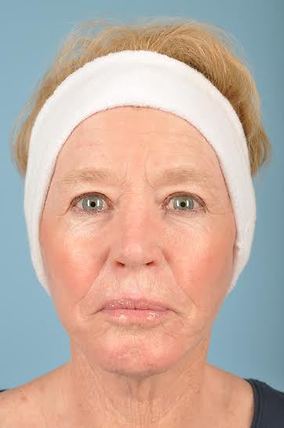
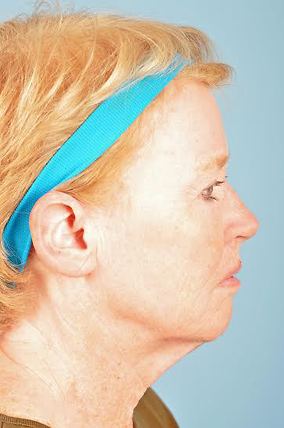
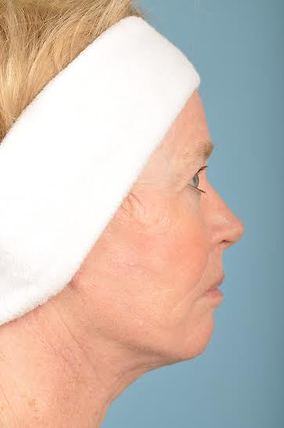
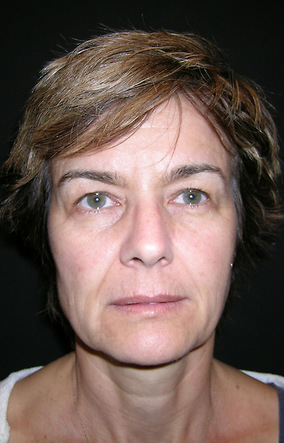
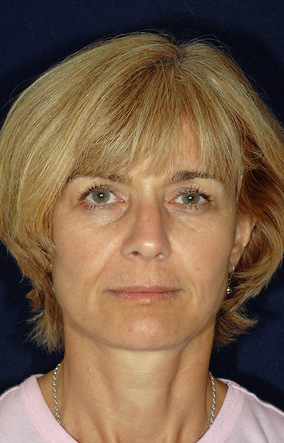
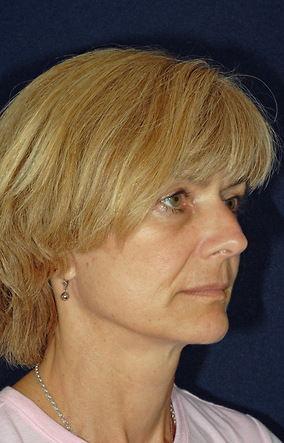
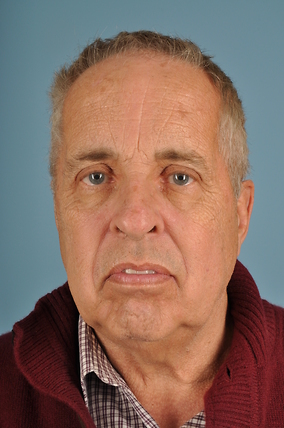
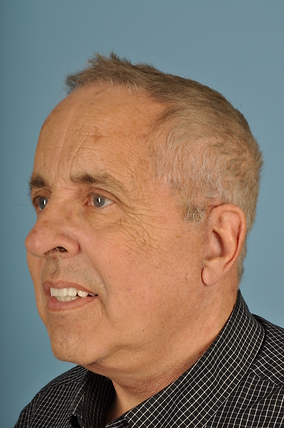
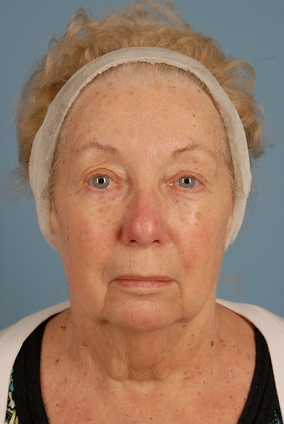
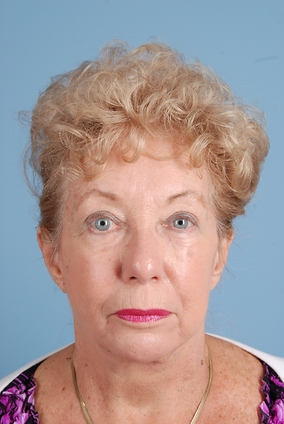
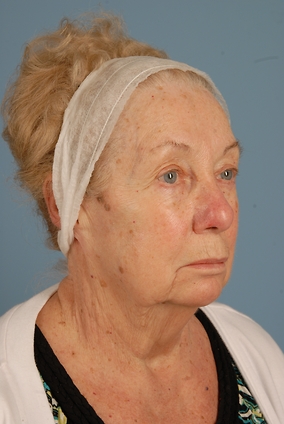
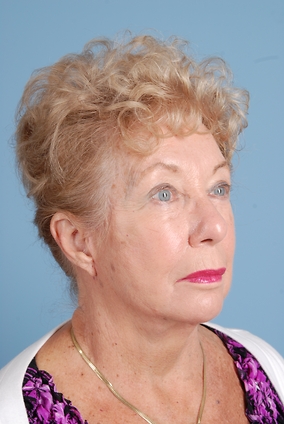
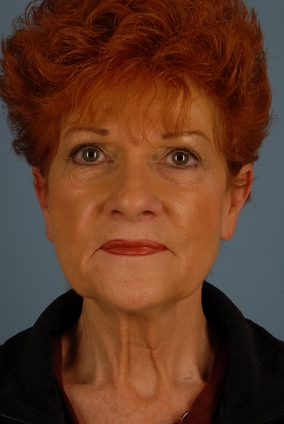
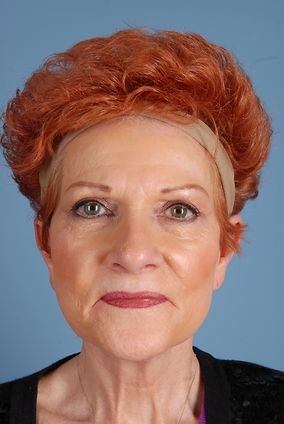
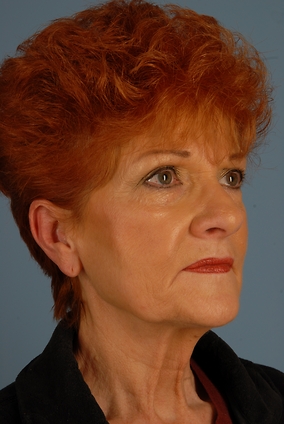
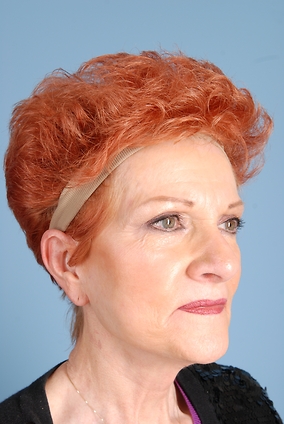
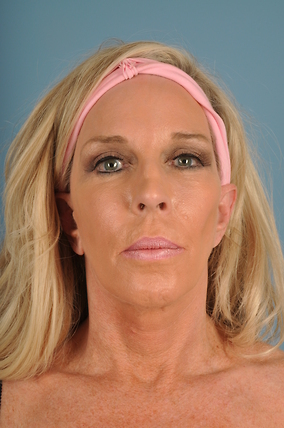
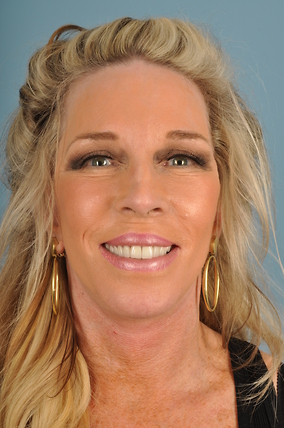
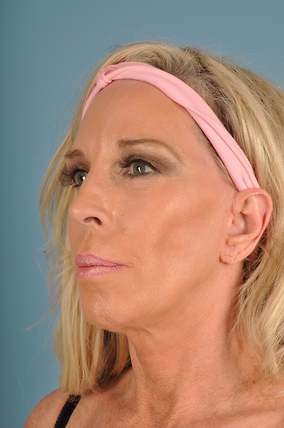
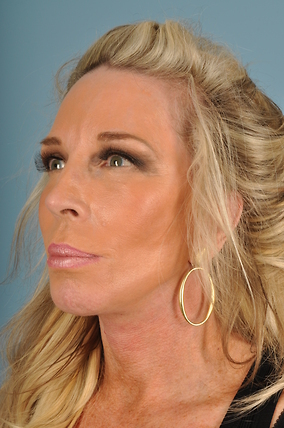
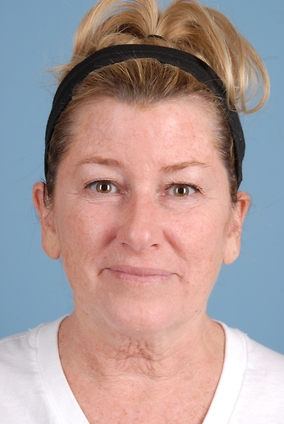
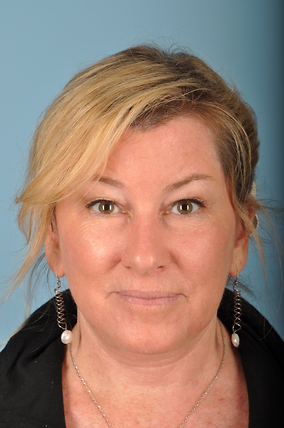
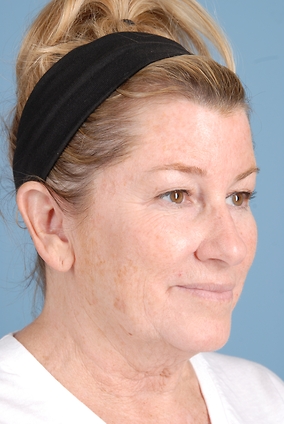
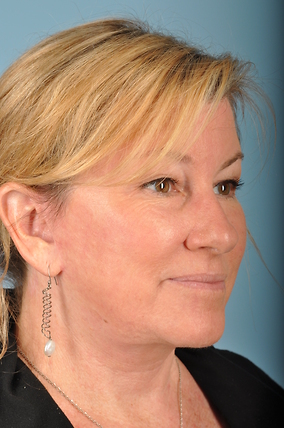
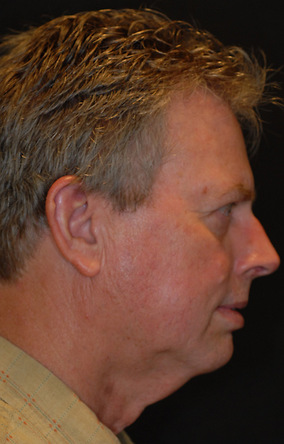
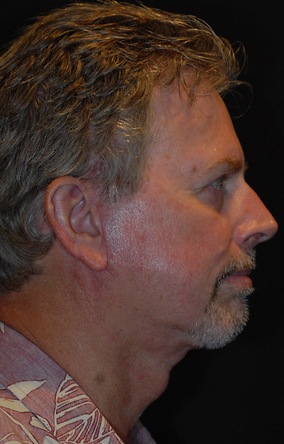
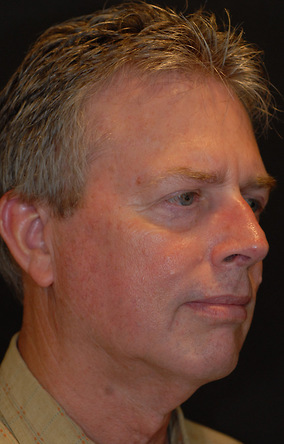
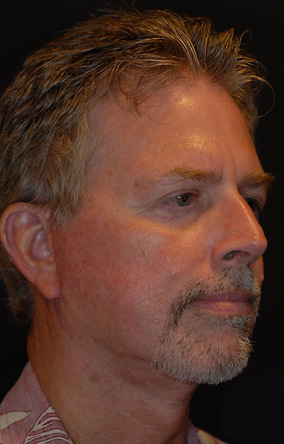
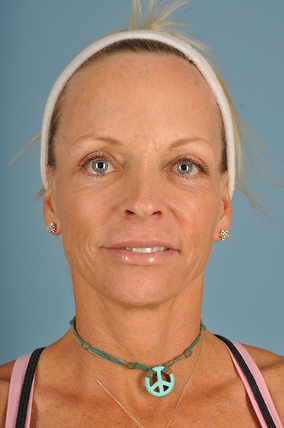
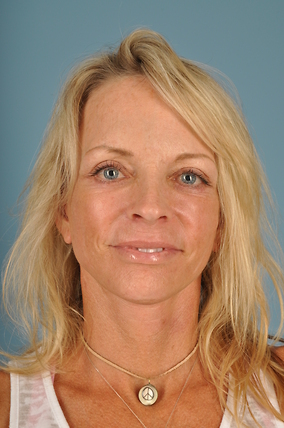
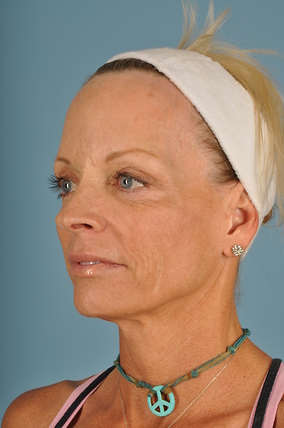
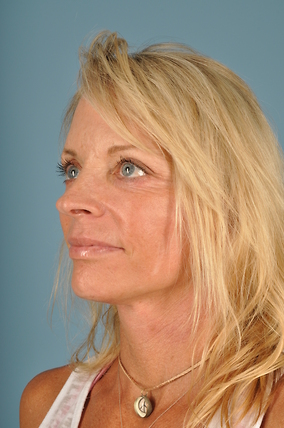
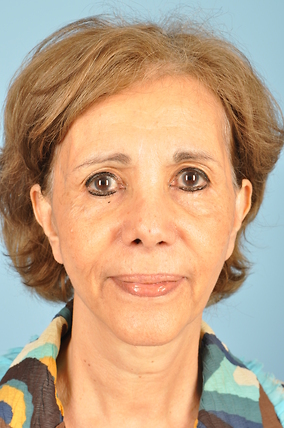
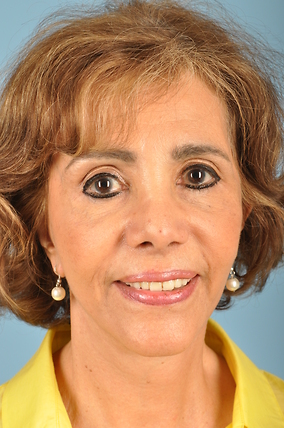
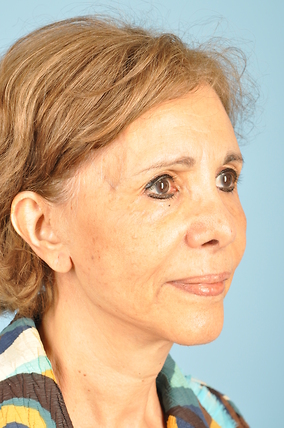
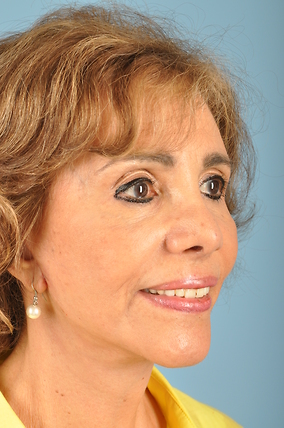
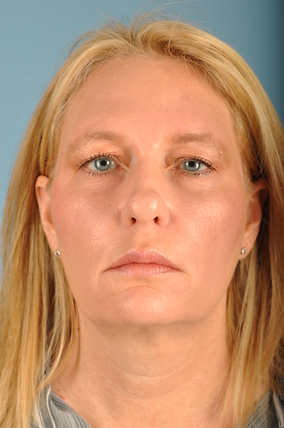
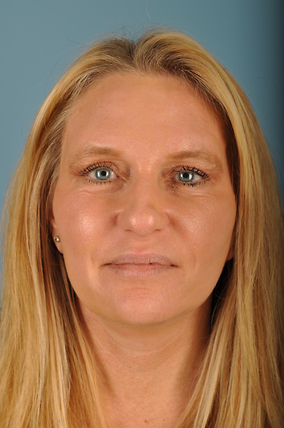
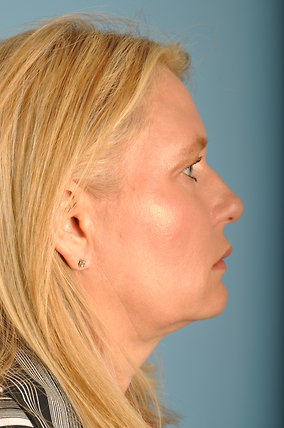
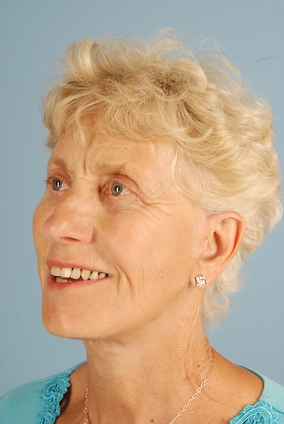
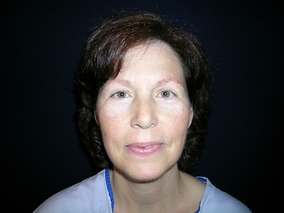
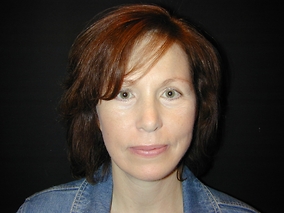
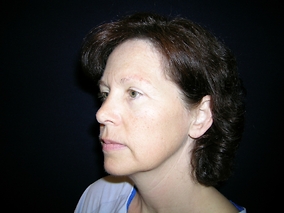
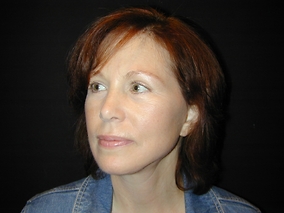
If you've made the decision to improve your appearance through cosmetic surgery, Dr. Kouros Azar can help you turn back the clock with a face lift. At our Thousand Oaks office near Agoura Hills, Westlake Village, and Simi Valley, Dr. Azar helps patients define and achieve their aesthetic goals. Dr. Azar’s exceptional technical and artistic talent allow him to make subtle aesthetic improvements as well as dramatic image transformations.
Does your face look older than you feel?
Have you started to notice:
If your face is betraying your age, a facelift can make you look as young as you feel.
A: A facelift, or rhytidectomy, is cosmetic surgery to reduce the signs of facial aging, such as wrinkles or sagging skin.
A: During a facelift, Dr. Azar carefully tightens the face’s underlying muscles and fascia—also known as connective tissue. He makes discreet incisions along the hairline, by the ear, or on the chin, and removes excess skin. Then he skillfully redrapes the remaining skin for the most natural-looking results.
A: The cheeks tend to flatten with age. Take a look at your high school yearbook picture and notice your cheeks. Chances are, you will see you had very prominent, round cheeks—more like a golf ball and pinchable. By age 45, many women’s cheeks look more like a flattened egg. A teenager’s cheeks have a reflection of light that reveals youthful beauty.
A: Yes, Dr. Azar can rejuvenate flattened cheeks with an endoscopic mid-face lift. This procedure, which focuses on the middle of the face, involves using an instrument called an endoscope to separate the tissues around the eye and cheek through tiny forehead incisions made along the hairline. Dr. Azar then suspends the tissues of the cheek from the temple using a new absorbable plate called a mid-face Endotine™. This facelift technique gives the cheeks a very youthful, lifted appearance without artificial implants.
A: Dr. Azar performs facelift surgery in three hours at our Thousand Oaks facility, depending on the condition of your skin, your desired results, and whether or not your facelift procedure is being combined with other cosmetic surgery procedures.
A: Dr. Azar performs facelifts under general anesthesia; you will be asleep for the entire procedure. Or you may choose to have the procedure done under sedation.
A: In most cases, you can go out in public with some cover-up makeup in about a week. You should be back to work in 10 days to two weeks. Dr. Azar answers some frequently asked questions about facelifts:
A. “The ideal time to have a facelift is between ages 47 and 57. Patients younger than 47 should have a very good, solid reason to have a facelift—as in the case of actors or individuals with facial features that make them look older than their age. Patients older than 57 are still candidates for a facelift, but they may need to undergo a more conservative procedure to maintain a natural look.”
A. “I perform what’s called a SMAS advancement. The SMAS, or superficial musculoaponeurotic system, is the covering below the skin, but above the muscle layer of the face. When I do a facelift, I go below the SMAS and tighten the face’s muscle layer. Then I simply redrape the facial skin and remove the excess skin. “I’m not pulling on the skin to lift the face. I’m restructuring the muscle and then gently redraping the skin for a very natural look—not the ‘windswept’ look of old-fashioned facelifts. People tell my facelift patients that they look rested, like they’ve just been on a Caribbean cruise. Nobody can really tell they’ve had surgery.”
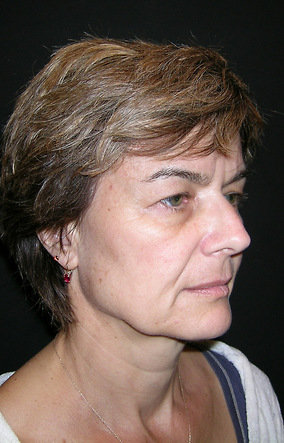
A. “Of course, there is a certain degree of risk with any surgery. However, I am a specialist in facial nerve and muscle surgery, so my advanced specialty training makes me very well-suited to avoid any facial injuries.”
A. “Facelift incisions are a lot shorter than they used to be. I limit the incisions behind the ear, and I don’t go along the hairline in the back so that if you want to wear your hair up, no one will see the scar in the back.”
A. “Yes. Because a facelift affects only the lower 2/3 of the face, I often combine a facelift with an eyelid lift and/or a brow lift. I commonly use a minimally invasive Endotine™ technique that involves inserting a dissolvable implant through a tiny incision in the upper eyelid or the scalp. Performing an eyelid lift and brow lift complements the results of a facelift, opening up the eyes and making the upper third of the face look younger.”
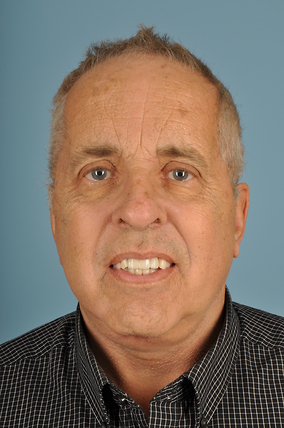
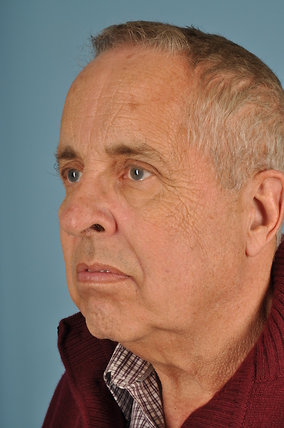
A. “Yes. A necklift is part and parcel of a facelift. There is also a separate necklift procedure called a platysmaplasty for patients with extreme excess skin and sagging in the neck. This procedure can be done by itself or in conjunction with a facelift. During your personal consultation, I will recommend the procedure(s) best for you.”
A. “The Endotine™ device, developed by Coapt Systems reduces the need for stitches and improves the accuracy and simplicity of brow lift and eyelid lift procedures.”
A. “No—and for good reason. Mini-facelifts, which are marketed under several different names, including the S lift (for the shape of the incision) and the thread lift, among others, are very market-driven. I think patients should be cautious about these minimally invasive techniques. “A very small number of women—perhaps 5%—can get a lasting benefit from a mini-facelift. But most women who have a mini-facelift are likely to be back where they started in two or three years. A full facelift provides a much longer-lasting result.”
A. “Yes. When I do a facelift, I almost always inject the nasolabial folds—the creases that run from the nose to the corners of the mouth. I do use injectable facial fillers with the facelift. I typically will inject the nasolabial folds and sometimes what’s called the tear trough, or the area underneath the eyelids. A lot of people end up with grooves underneath the lower eyelids, so that can easily be injected at the same time as the facelift. The cheekbones can be accentuated with filler as well.”
A. “If you have very deep nasolabial folds, during the facelift I can actually lift the skin a little bit farther than I normally would and eliminate the nasolabial folds completely. That’s considered the definitive treatment for deep nasolabial folds.”
A: “I borrow a little bit of fascia, which is like a big connective tissue layer on the temporal area, and graft it into the nasolabial folds. It’s a permanent tissue graft under the skin. We always try to use your own tissues when we can.”
[ back to top ]
Like a traditional face lift, an endoscopic mid-face lift focuses on the middle of the face. This minimally invasive procedure uses an endoscope to separate the tissues around the eye and cheek through inconspicuous forehead incisions made along the hairline. The tissues of the cheek are then suspended from the temple using a new absorbable plate called a mid face Endotine™.
This face lift technique gives the cheeks a very youthful and lifted appearance without the use of artificial implants. Patients experience no migration or infection with this technique.
Many of our face lift patients in Simi Valley, Agoura Hills, and Westlake Village combine other cosmetic surgery techniques - such as eyelid surgery, neck lift and cheek implants - to further enhance their face lift results. Find out how we can help you - contact our cosmetic surgery practice today.
[ back to top ]
If you are seeking a face lift and live in or near Thousand Oaks, Agoura Hills, Westlake Village, or Simi Valley, contact our cosmetic surgery practice today to schedule a private consultation with Dr. Kouros Azar.